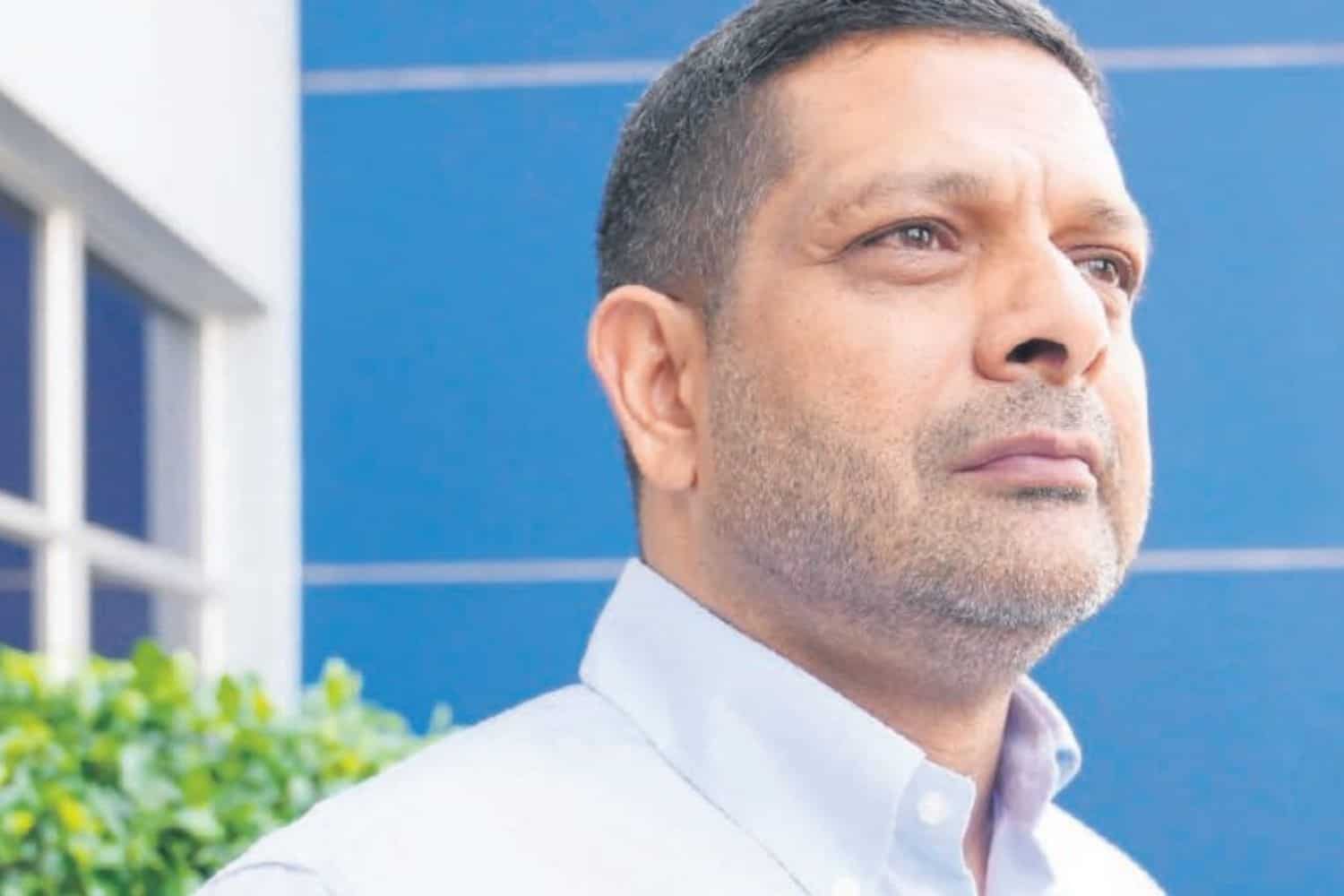
The chairperson of South Africa's police capture inquiry drew a firm line on Monday morning against state officials who treat judicial summonses as optional. Justice Mbuyiseli Madlanga ordered that criminal charges be laid against former Crime Intelligence deputy head Feroz Khan after the retired general refused to appear before the commission. Khan submitted an eleventh hour postponement bid through his legal team, then failed to log into an official video link arranged specifically to accommodate his remote testimony.
Addressing the hearing room on Day 179, Justice Madlanga rejected the postponement application and described Khan's conduct as a flagrant disregard of a statutory subpoena. The inquiry had summoned the former spy boss to answer critical questions regarding political meddling, irregular surveillance operations, and the management of covert police slush funds. By refusing both an in person appearance and a remote digital link, Khan triggered direct criminal liability under national inquiry laws.

The criminal referral against Khan marks a decisive shift in how the commission handles witness resistance. For months, senior police generals and political fixers have tested the patience of evidence leaders by producing last minute medical notes and filing endless procedural objections. Monday's ruling strips away that playbook. While the commission has instructed law enforcement to open a formal criminal docket, Khan has also been ordered to appear in the witness box on 6 October, with provisions for sensitive national security disclosures to be heard behind closed doors.
The morning session delivered a simultaneous blow to criminal syndicates operating in the private sector. In a separate ruling, the High Court struck off an urgent legal application brought by Mpumalanga taxi boss Oupa Bafana Sindane, who attempted to prevent evidence leaders from introducing thousands of seized WhatsApp messages. Sindane previously claimed he could not testify because he was undergoing spiritual seclusion. The court victory clears the runway for the commission to cross examine Sindane on allegations of extortion and money laundering alongside corrupt police contacts.
Together, the two rulings reassert the legal teeth of the Madlanga Commission at a critical juncture in its mandate. For years, Crime Intelligence served as a private fiefdom where files were buried and rogue officers operated with total impunity. By sending Khan's defiance straight to prosecutors, the commission has sent an unmistakable warning across the security cluster that rank offers no shield against public accountability.
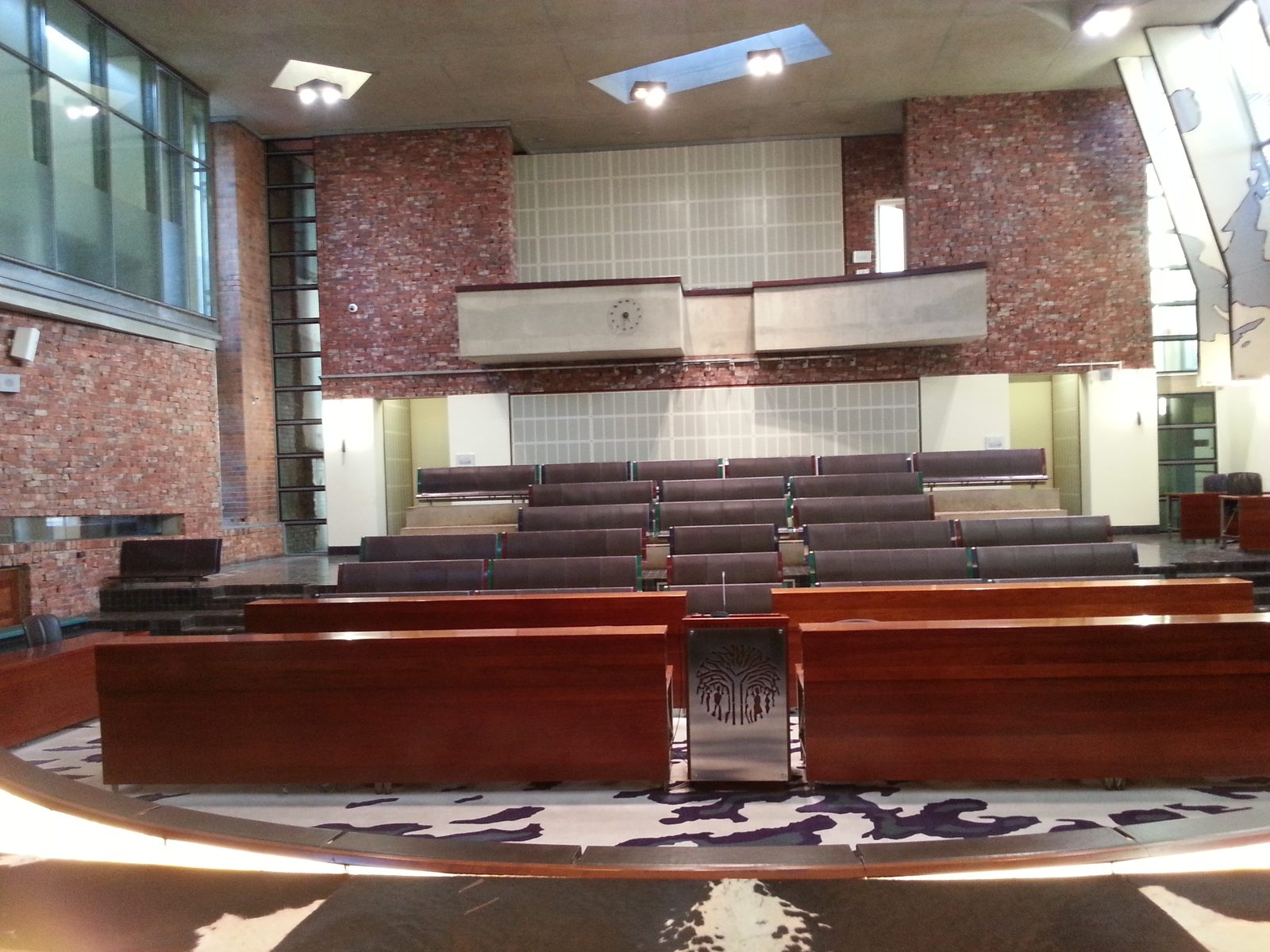
A Section 3 subpoena under the Commissions Act carries the full force of a criminal court summons. When a judicial commission of inquiry issues a subpoena, the recipient is legally required to appear, take the oath, and answer all lawful questions. Failing to appear without a legally valid excuse constitutes a criminal offence punishable by a direct fine or imprisonment. Unlike informal parliamentary invitations, an inquiry subpoena cannot be set aside by administrative memos or unilateral refusal.
If an ordinary South African motorist ignores a magistrate court summons for an unpaid fine, police issue an immediate warrant of arrest and lock them in a holding cell. For decades, however, senior police bosses and politicians operated under the belief that their ranks protected them from answering for looted public money and compromised murder dockets. Justice Madlanga's order levels the playing field, proving that even the most powerful spy bosses must face the same criminal consequences when they attempt to hide from the law.
* Will the National Prosecuting Authority move swiftly to enrol criminal charges against Feroz Khan, or will the docket face bureaucratic delays inside the police service?
* What specific classified surveillance files and secret slush fund payments was Khan attempting to shield from public exposure by boycotting Day 179?
* How will the commission protect frontline evidence leaders now that seized WhatsApp messages linking taxi syndicates directly to corrupt police commanders are admissible on the record?