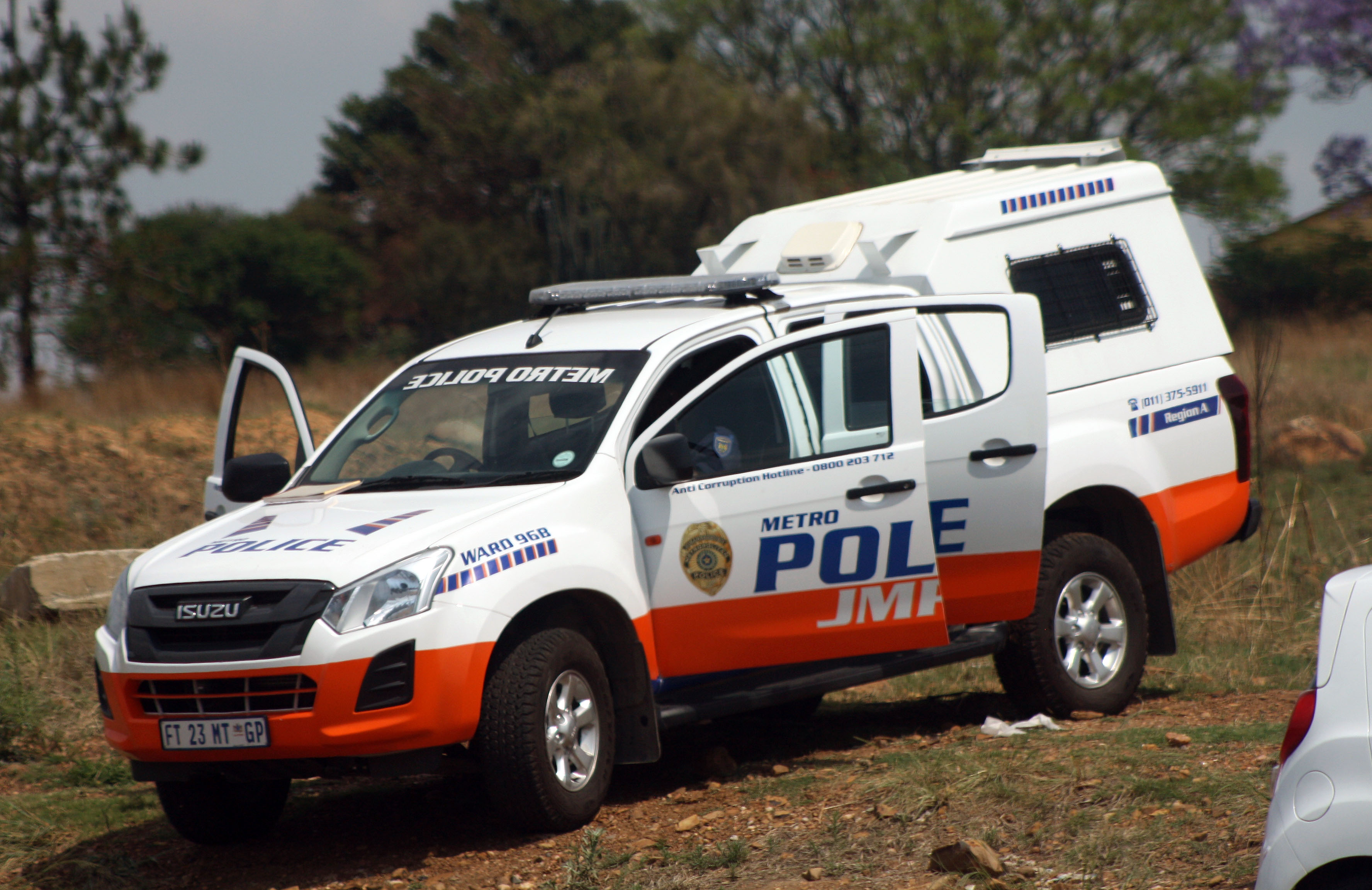
The Madlanga Commission of Inquiry resumed public hearings in Johannesburg on Tuesday, pivoting its investigation directly into systemic criminality and cartel collusion inside the Johannesburg Metropolitan Police Department. Explosive testimony delivered under oath by JMPD Head of Internal Affairs Superintendent Elmarie de Beer revealed that specialized municipal tactical units systematically moonlit as armed escorts for organized copper theft syndicates, actively disarming municipal law enforcement while the city haemorrhaged billions of Rands in stripped power and water infrastructure.
Internal affairs dockets submitted before retired Constitutional Court Justice Mbuyiseli Madlanga detailed how the late Superintendent Phineas Manyama, former commander of the JMPD Tactical Response Unit, operated an untouchable extortion network inside the municipal police service. According to sworn evidence, Manyama commanded subordinate officers to deploy official high-performance patrol vehicles and automatic weapons to shepherd freight trucks laden with stolen bulk copper cable past police checkpoints, collecting direct cash payoffs while deploying municipal assets to provide round-the-clock private security for syndicate-linked liquor businesses in Lenasia.
The inquiry heard that the rot reached beyond infrastructure looting into direct obstruction of high-stakes criminal justice operations. Central to the commission probe is JMPD supervisor Johannes Mokgatle, accused of falsely booking off sick on official duty rosters to drive an unmarked municipal police vehicle to the Sandhurst residence of suspected syndicate kingpin Katiso "KT" Molefe. When national police detectives moved in to execute a formal search and arrest operation at the luxury estate, Mokgatle confronted the arresting officers, attempting to intimidate operational teams and abort the raid before he was placed under investigation for kidnapping and extortion.
Superintendent de Beer outlined a culture of institutional terror where internal affairs investigators tracking metro police graft faced death threats, vehicle surveillance, and family intimidation. Disciplinary files, asset tracking audits, and criminal referrals submitted to municipal leadership were routinely delayed, buried, or stripped of evidentiary weight, enabling implicated tactical officers to retain their service pistols, city patrol vehicles, and operational commands for years without administrative consequence.
The economic damage lands squarely on Johannesburg residents, who fund the City of Johannesburg R2.3 billion municipal public safety allocation while bearing the cost of chronic substation trips, blown transformers, and dry taps. City Power reported losing over R500 million in physical copper cable and electrical infrastructure during the previous financial year alone. The commission proceedings demonstrate that these blackouts were not isolated salvage operations by informal scrappers, but coordinated logistics pipelines protected by officers paid from the municipal payroll.
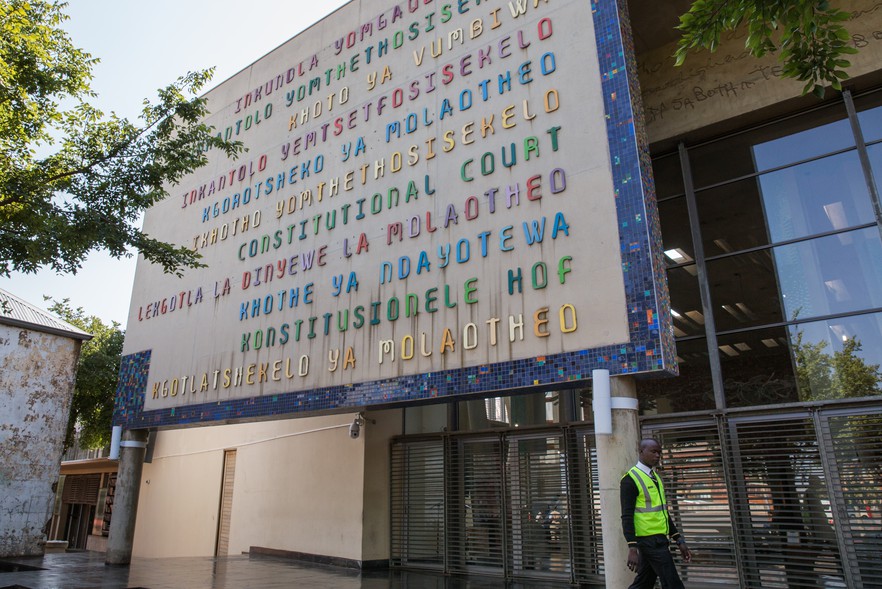
Established by President Cyril Ramaphosa under the Commission of Inquiry into Criminality, Political Interference, and Corruption in the Criminal Justice System, the Madlanga Commission is scheduled to deliver its final forensic report and prosecutorial recommendations in November 2026. Legal representatives for the commission confirmed that summonses will be served on former municipal managers, procurement officials, and surviving Tactical Response Unit commanders to produce encrypted phone records, off-the-books bank accounts, and fleet tracking telemetry before the inquiry concludes oral hearings.
Under Section 64 of the South African Police Service Act, municipal police services are established strictly to enforce municipal bylaws, prevent crime, and maintain road traffic safety within their jurisdiction. Unlike national SAPS officers, municipal police officers operate under direct executive oversight of the local municipal council. When metro officers use official equipment, fleet vehicles, or operational hours to assist criminal enterprises, their conduct constitutes extortion, armed robbery, and statutory racketeering under the Prevention of Organised Crime Act, stripping them of state indemnification and exposing commanders to direct criminal liability.
Every prolonged power outage and dry tap across Johannesburg carries a direct link to the criminal diversion of municipal policing assets. Ratepayers are paying double: first through municipal rates and property taxes that fund the JMPD annual budget, and second through emergency water tankers, private security levies, and diesel generator costs when critical substations are stripped under armed metro police escort. Disciplinary inertia inside the City of Johannesburg means armed officers implicated in armed syndicates remain patrolling metro streets with service firearms.
Will the Independent Police Investigative Directorate and the National Prosecuting Authority seize the cellphones, financial statements, and fleet management GPS logs of all officers named in Superintendent de Beer testimony?
How high up the City of Johannesburg municipal administrative ladder did political protection reach to shield Superintendent Phineas Manyama and his tactical unit from prosecution for five consecutive years?