
In its trading update covering the 11 months through August 2026, parent company Oceana Group confirmed that while consumer demand for affordable protein remains resilient, a constrained global and local supply of raw fish hampered product availability. The shortage slowed second-half momentum, forcing factory outputs down and inventory reserves to close at significantly depleted levels.
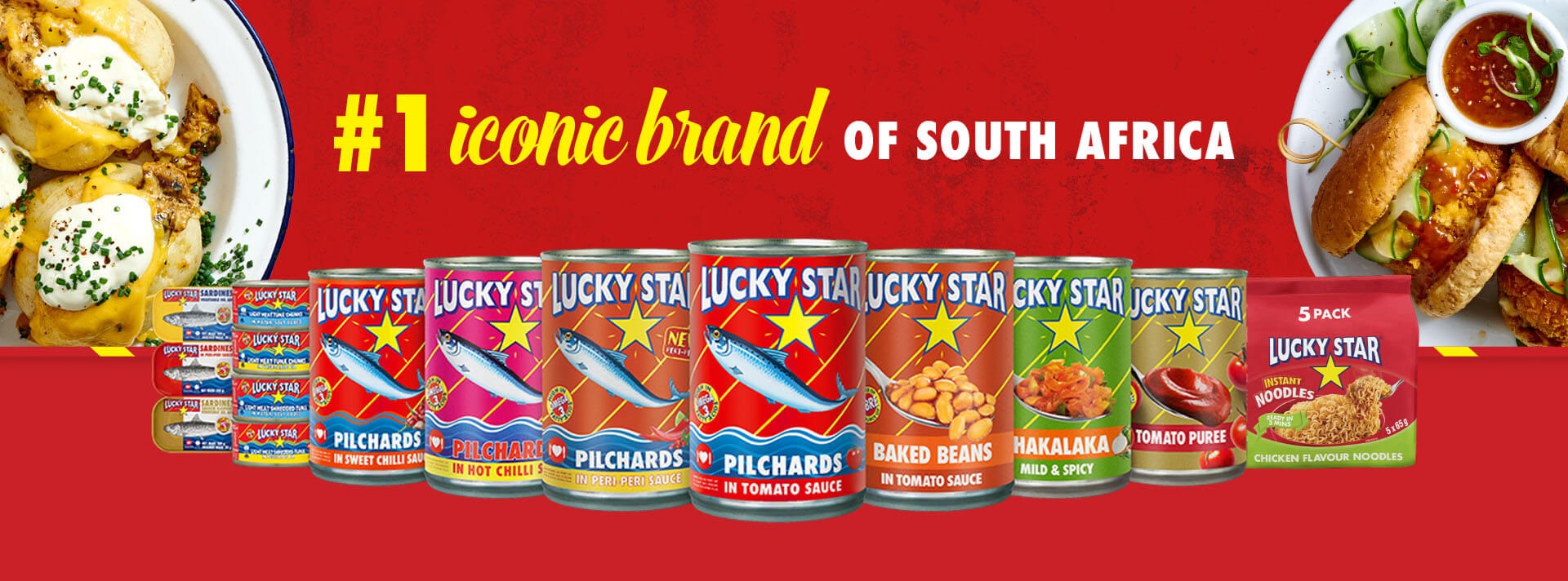
KEY NUMBERS AT A GLANCE: THE 11-MONTH TRADING UPDATE
Primary metrics from Oceana Group's corporate update:
Canning Output Down ~60%: Local manufacturing volume plummeted due to limited frozen fish imports and raw material availability.
Canned Fish Sales Down 9%: Product constraints directly restricted inventory, dragging sales volumes down.
Total Lucky Star Volume Down 5%: Overall brand volume slipped as second-half trading slowed.
Fixed Cost Absorption Strain: Unabsorbed factory overheads pushed per-unit production costs higher across processing facilities.
UNPACKING THE DYNAMICS: WHY ARE THE TINS DRAINED?
To understand why an iconic brand commanding over 60 percent of the local market is facing supply headwinds, we must look at the supply chain mechanics:
Raw Material Deficits: Lucky Star relies on both locally landed catches and imported frozen pilchards to feed its processing plants. A global deficit in frozen fish raw materials choked off processing pipelines during the second half of the reporting period.
The Fixed Cost Reality: Food manufacturing depends on high throughput to dilute fixed operational costs (electricity, labor, factory maintenance). A 60 percent drop in factory volume meant those fixed overhead costs were spread across far fewer units, driving up the cost per tin produced.
Margin Safeguards: Despite volume losses, the division maintained operational profitability by leveraging higher net realized selling prices, lower international freight charges, and reduced inventory holding costs.
Working Capital Squeeze: Because factory lines were starved of raw fish, inventory reserves ended the 11-month cycle significantly lower than the previous financial period, leaving little buffer for upcoming trading cycles.
WHAT THIS MEANS FOR CONSUMERS AND INVESTORS
Price Pressures on Household Staples: Canned pilchards represent one of South Africa's primary low-cost protein sources. Higher per-unit production costs could eventually filter down to retail shelf prices if raw material deficits persist.
Earnings Outlook: While Oceana Group expects full-year revenue to remain in line with the prior period thanks to wild-caught seafood and US fishmeal operations, Lucky Star's production squeeze remains a critical variable ahead of final results on November 26, 2026.
How long can Oceana Group insulate consumer shelf prices from rising per-unit factory production costs?
Will global frozen fish supply chains recover in time to replenish Lucky Star’s depleted inventory reserves before peak festive season demand?
Have a perspective on this story? Leave your comment below and join the debate on News Definition.