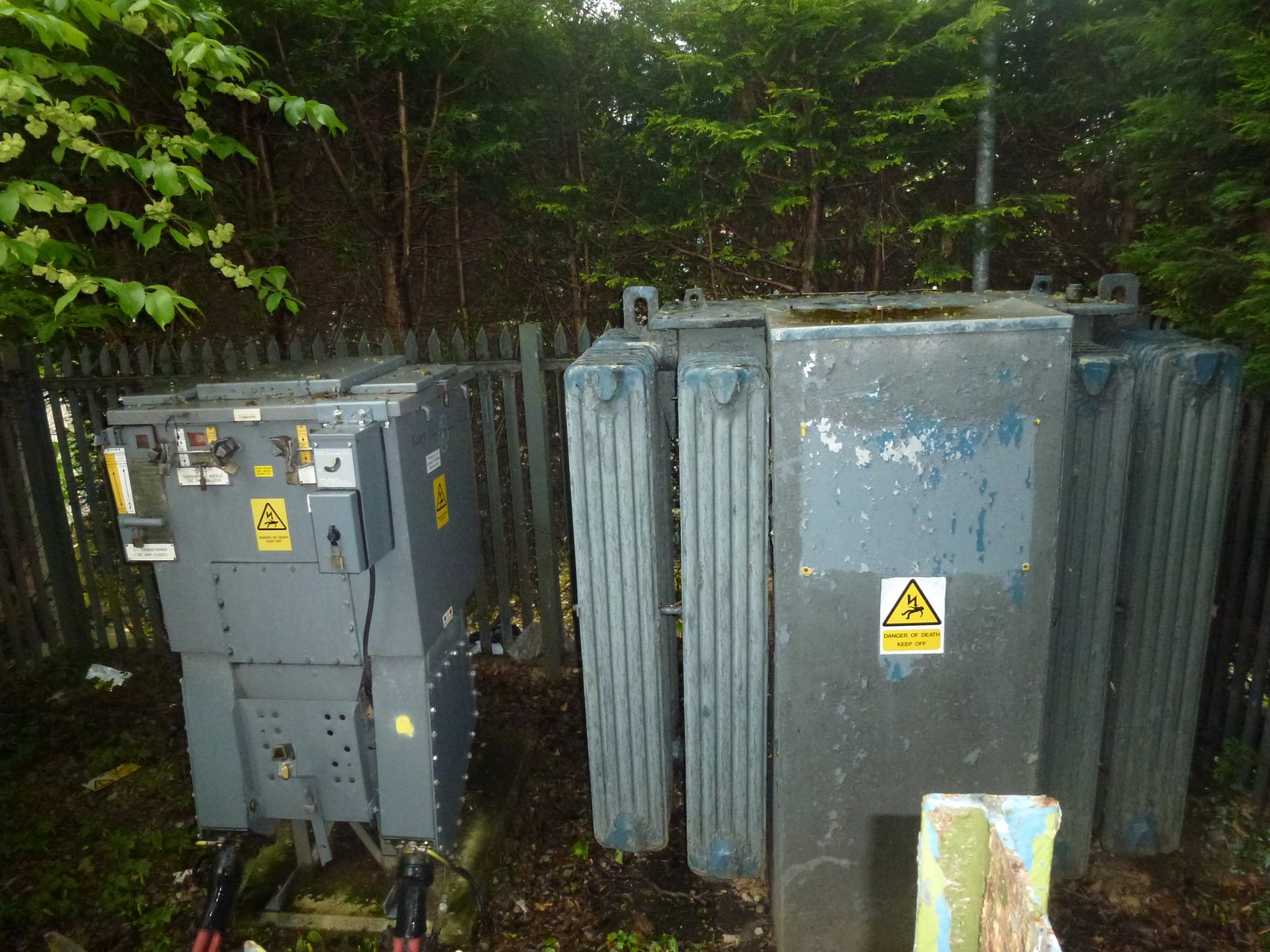
Parts of Johannesburg's inner city sit in darkness after a fourth fire broke out at City Power's Central Substation in Marshalltown. The blaze damaged feederboard four and cut electricity to Marshalltown, Wemmer, Selby, and commercial sectors along Eloff, Commissioner, and Anderson streets.
City Power spokesperson Isaac Mangena confirmed technical teams faced heavy smoke in the underground tunnels before they could access damaged switchgear. Previous fires at the facility in April and September involved confirmed cable theft, forced tunnel entries, and deliberate vandalism. Investigators are now probing whether the latest fire was technical or criminal.
The latest blackout lands alongside an explosive diagnostic published by the Centre for Development and Enterprise. In a report titled Time for Action: Corruption in Joburg, executive director Ann Bernstein argues that the capital city's accelerating decay is not simple managerial incompetence.
Drawing on research commissioned from the Global Initiative Against Transnational Organised Crime, the report outlines a self-reinforcing crime and council ecosystem. In this network, political power brokers, municipal insiders, and private contractors intersect around procurement processes that actively reward infrastructure breakdown.
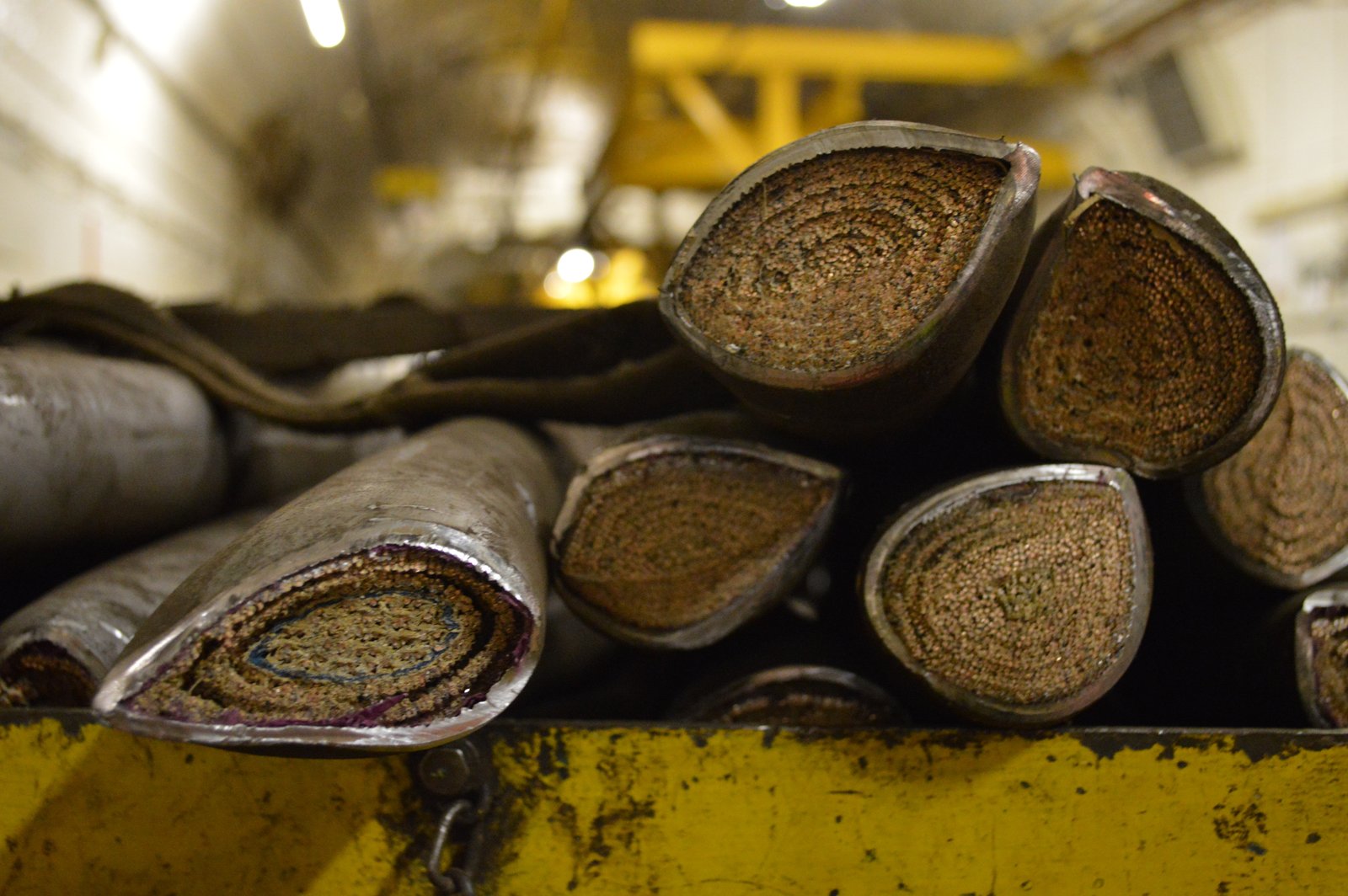
Under this operating dynamic, municipal dysfunction creates immediate demand for emergency procurement. Stolen high-voltage copper lines generate multi-million rand emergency repair contracts. Sabotaged water valves open the door for lucrative private tanker tenders. The more fragile municipal networks become, the more public capital flows to private fixers.
The financial toll on municipal operations is staggering. City Power spends over R200 million annually to replace stolen copper and repair vandalized substations. Meanwhile, non-technical losses from power theft and meter bypasses drain R2 billion every year. That financial drain diverts capital away from essential preventative maintenance directly into emergency contracts.
The crisis takes on immediate political urgency as voters prepare for local government elections on 4 November 2026. Accountability mechanisms have eroded from within. The city's Group Forensic and Investigation Services unit was stripped of its statutory independence and its founding head was removed, while whistleblowers and anti-corruption personnel face sustained intimidation.
A crime and council ecosystem describes an entrenched network where political officials, municipal administrators, and commercial contractors exploit public utility failures to capture recurring emergency tenders.
Under Section 36 of the Municipal Supply Chain Management Regulations, municipal managers may bypass competitive bidding during emergencies. This mechanism allows single-source awards that escape ordinary tender scrutiny.
Section 217 of the Constitution demands that public procurement remain fair, equitable, transparent, competitive, and cost-effective. Systematic reliance on emergency tenders circumvents these constitutional principles.
When utility breakdowns generate guaranteed revenue for private contractors, the economic incentive to permanently secure or modernize essential infrastructure disappears.
For inner-city residents and commercial property owners across Johannesburg, repeated substation failures translate into spoiled food stock, disrupted trade, and mounting diesel generator bills that erode business profit margins.
Small enterprises in Selby and Marshalltown bear the brunt of prolonged blackouts. Manufacturing workshops and retail shops face operational downtime while repair crews navigate smoke-filled underground tunnels to splice damaged cables.
Every million rand diverted into emergency repair tenders directly depletes municipal capital budgets. That shortfall leaves Johannesburg Water and City Power unable to replace aging reticulation networks.
On 4 November 2026, Johannesburg voters enter polling booths with direct authority to retain or overhaul the municipal leadership that oversees these emergency procurement networks.
* Will City Power's forensic investigation into feederboard four produce physical evidence of cable cutting or confirm an unprovoked internal switchgear failure?
* Has the City of Johannesburg initiated an independent review of emergency procurement contracts awarded following previous fires at the Central Substation?
* Will incoming council leadership restore statutory operational independence to the Group Forensic and Investigation Services unit after the 4 November elections?