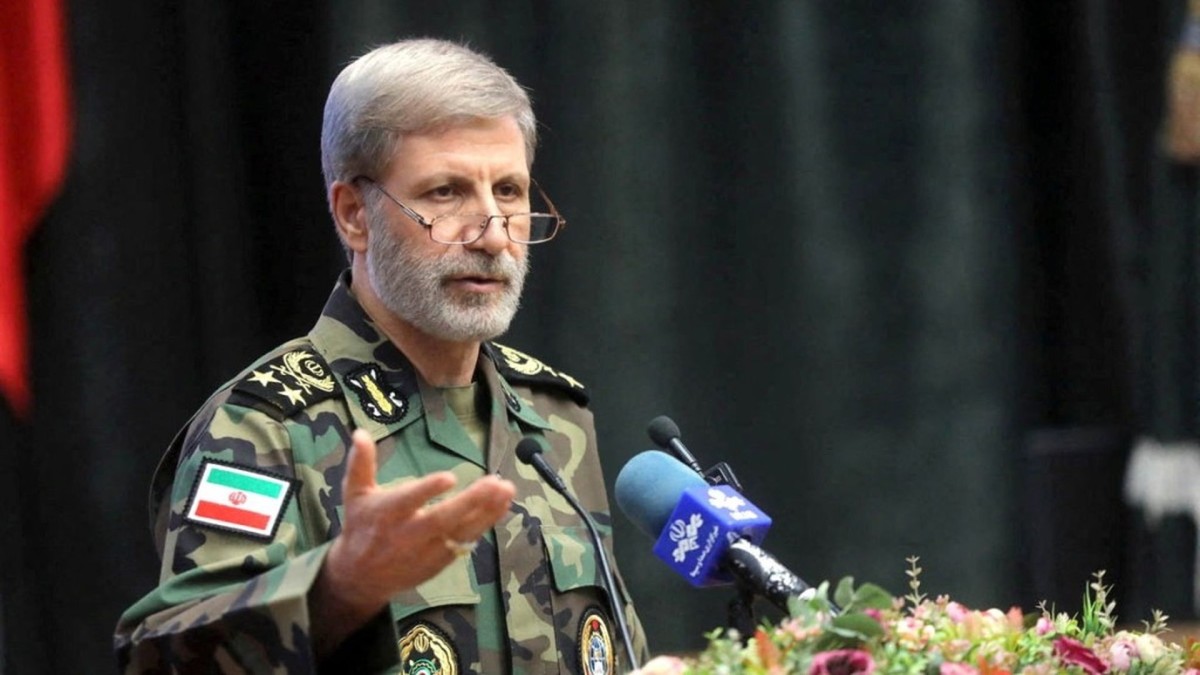
The announcement—offering monetary incentives for acts against foreign armed forces operating in the Middle East—comes against a backdrop of deteriorating diplomatic channels, proxy strikes, and naval confrontations across strategic trade corridors.
While proxy engagements have defined regional dynamics for decades, publicly monetizing targets elevates asymmetric warfare into direct, unmediated provocation.

The Mechanics of Bounty-Driven Warfare
The deployment of financial bounties against military targets is a textbook weapon of asymmetric psychological and operational warfare.
Sovereign nations or state-backed proxies utilize bounties when direct conventional military confrontation carries unacceptable costs. By offering financial rewards, state actors attempt to:
Outsource Operational Risk: Mobilize independent, non-state militant cells without deploying official state military units.
Induce Psychological Strain: Force opposing forces into heightened defensive postures, increasing operational friction and fatigue.
Establish Strategic Pressure Points: Create bargaining leverage without formally declaring standard warfare.
KEY RISK FACTORS ACCELERATING TENSIONS
Proxies and Uncontrolled Escalation: Mobilizing independent actors via cash incentives significantly increases the risk of rogue actions that can accidentally trigger a wider military campaign.
Economic Chokepoint Instability: Increased military friction threatens key maritime trade routes, pushing global energy prices and shipping insurance rates upward.
Diplomatic Deadlocks: Direct threats against military personnel close the door on formal negotiation channels, forcing states toward deterrence and retaliation strategies.

THE BLUEPRINT: MANAGING REGIONAL INSTABILITY
Enhanced Force Protection: Upgrade intelligence and defensive perimeters around deployed units to mitigate non-conventional and proxy threats.
Targeted Economic Deterrence: Enforce strict international financial tracking to disrupt the funding channels behind illicit bounty operations.
Multilateral Diplomatic Intervention: Leverage international mediation to re-establish red lines and prevent miscalculations along key maritime and land routes.
Global Economic Impact: Fuel prices and supply chain costs often react immediately to Middle Eastern instability, influencing broader inflation and transport overheads.
Evolving Security Realities: Modern warfare is increasingly fought in grey zones—where non-state proxies, digital operations, and financial incentives replace traditional front lines.
How will international defense strategies adapt as non-state bounty networks complicate standard rules of engagement?
Can diplomatic channels regain traction before asymmetric friction spills over into a broader global crisis?
Have a perspective on this story? Leave your comment below and join the debate on News Definition.