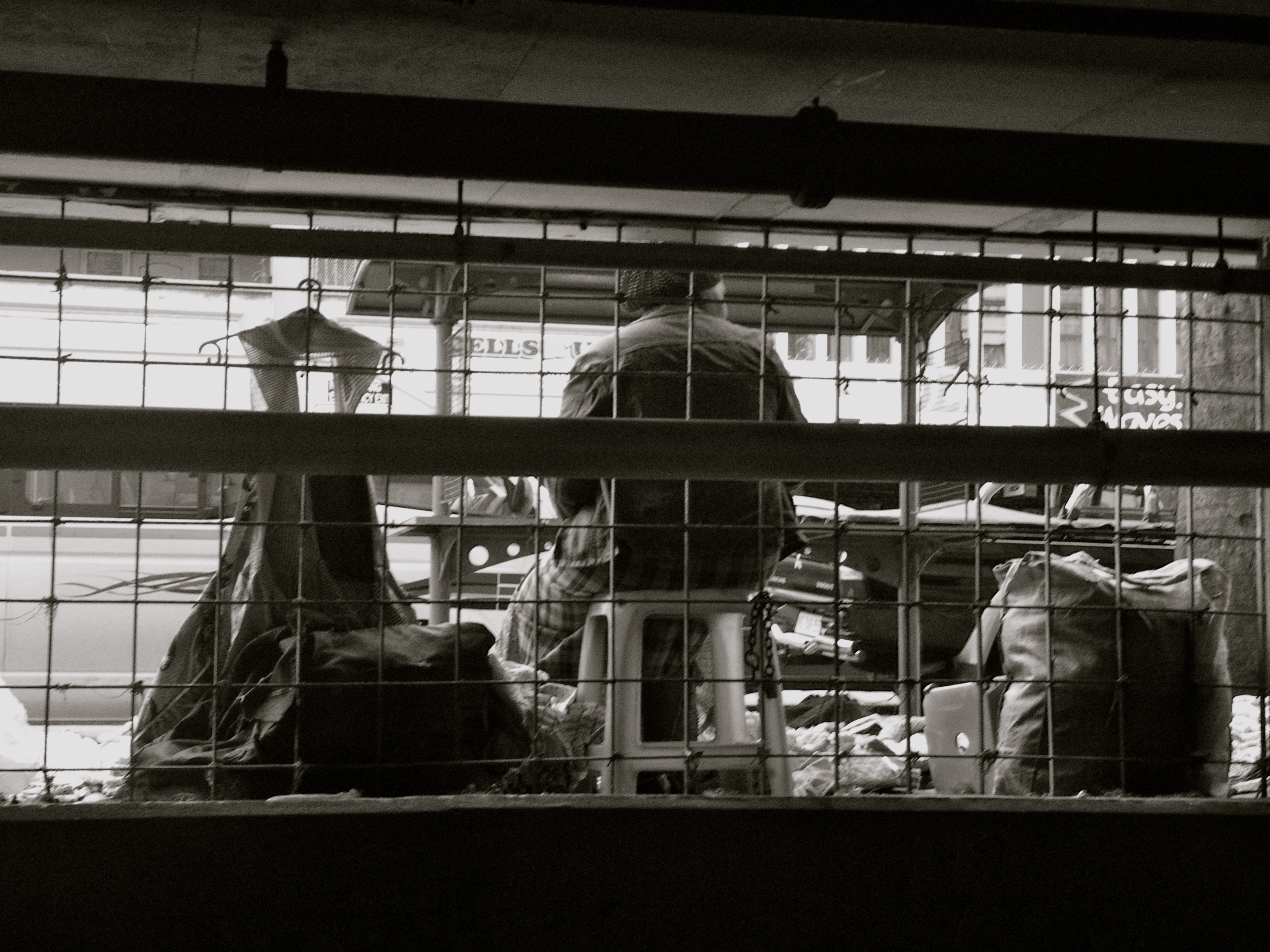
An illicit cross-border pipeline moving hundreds of tonnes of banned, chemically hazardous skin-bleaching cosmetics operates openly across South Africa's busiest transit interchanges, selling toxic formulations for as little as R35 per tube under the bridges of Bree Street in Johannesburg, Warwick Junction in Durban, and Bellville in Cape Town. The unregulated trade has triggered an escalating clinical emergency across public academic hospitals, where dermatologists treat severe cutaneous mutilation and systemic organ failure among working-class women who purchase unregulated beauty creams from commuter stalls.
Academic dermatology units at Steve Biko Academic Hospital, Tygerberg Hospital, and Groote Schuur report record presentations of exogenous ochronosis, an irreversible condition that deposits dense microscopic soot-like pigment throughout dermal collagen, leaving faces permanently stained in slate-grey and bluish-black lesions. While South Africa enacted a pioneering statutory ban on cosmetic hydroquinone in August 1990, syndicates evade border inspections by misdeclaring commercial freight containers and reformulating products with high-potency corticosteroids and industrial mercury.
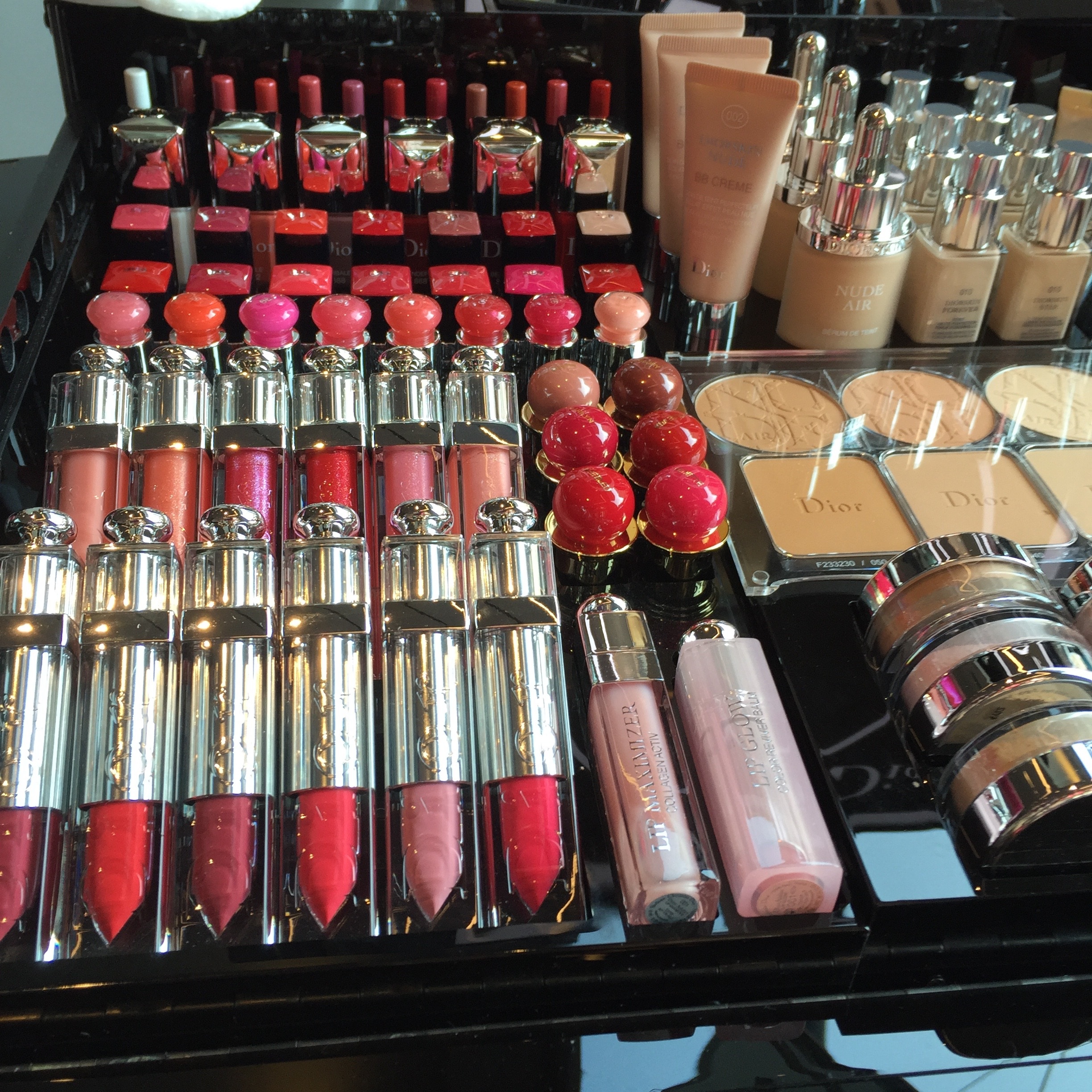
Independent toxicology assays conducted on popular contraband brands seized at transit hubs, including imported tubes labelled as Movate, Lemonvate, Carolight, and Diproson, reveal concentrations of clobetasol propionate exceeding pharmaceutical thresholds. Clobetasol is classified under South African law as a Schedule 4 prescription-only medication reserved strictly for severe psoriasis under direct specialist supervision. When applied daily across large skin surfaces, the steroid shuts down natural cortisol production, induces cutaneous atrophy that leaves facial skin paper-thin and easily torn, and triggers systemic metabolic complications including steroid-induced diabetes and secondary adrenal insufficiency.
Chemical testing also detects mercury levels exceeding 20,000 parts per million in illicit skin-lightening lotions, flatly violating both the Minamata Convention on Mercury and South Africa's 2023 Cosmetics Regulations. Smuggling networks route these products through Beitbridge from regional transit points in Zimbabwe and Mozambique, taking advantage of overloaded freight processing lanes where customs scanners prioritize bulk narcotics and illicit cigarettes. Once inside metropolitan freight corridors, the stock is distributed into suburban wholesale lockers and disbursed to informal traders on consignment.

The breakdown is compounded by an administrative enforcement vacuum dividing state watchdogs. The South African Health Products Regulatory Authority exercises jurisdiction over registered medicines but lacks field inspectorate capacity to police informal retail markets. Conversely, municipal environmental health practitioners face extreme budget cutbacks, leaving metro police to treat the illicit sale of Schedule 4 pharmaceuticals as minor sidewalk trading infringements punishable by nominal municipal fines rather than criminal drug trafficking prosecutions.
Exogenous ochronosis is a progressive, incurable dermatological disorder resulting from prolonged topical exposure to phenolic compounds and corticosteroids, characterised by the progressive accumulation of homogentisic acid polymers in dermal elastic fibres. Under the Food, Cosmetics and Disinfectants Act 54 of 1972 and Government Notice R1882 of August 1990, South Africa prohibited the importation, manufacture, and cosmetic distribution of hydroquinone. Furthermore, the Medicines and Related Substances Act 101 of 1965 restricts high-potency topical corticosteroids such as clobetasol propionate to Schedule 4, mandating that dispensing without a registered medical prescription constitutes a statutory criminal offense.
If you or a family member purchase over-the-counter creams promising rapid brightening or blemish clearing from informal street stalls or social media sellers, check the packaging immediately for unlisted pharmacological ingredients. Any product that fails to display a registered South African medicine registration number or promises visible skin shade changes within seven days carries severe risk of steroid or mercury toxicity. Abruptly stopping high-potency corticosteroid creams after prolonged usage can trigger explosive rebound hyperpigmentation and severe adrenal withdrawal, requiring phased clinical tapering under the care of a registered medical doctor or public hospital outpatient dermatology clinic.
* Will the Border Management Authority deploy dedicated chemical spectroscopy scanners at Beitbridge and Durban harbour to detect concealed bulk imports of contraband cosmetics before they penetrate metropolitan wholesale networks?
* When will the Department of Health and SAHPRA establish an integrated enforcement protocol that empowers municipal health inspectors to seize Schedule 4 topical steroids from street traders under criminal drug laws rather than municipal by-laws?
* How will provincial health departments fund the specialized laser therapies and chronic immunosuppressant treatments required to manage thousands of low-income patients left permanently disfigured by unregulated chemical cosmetics?