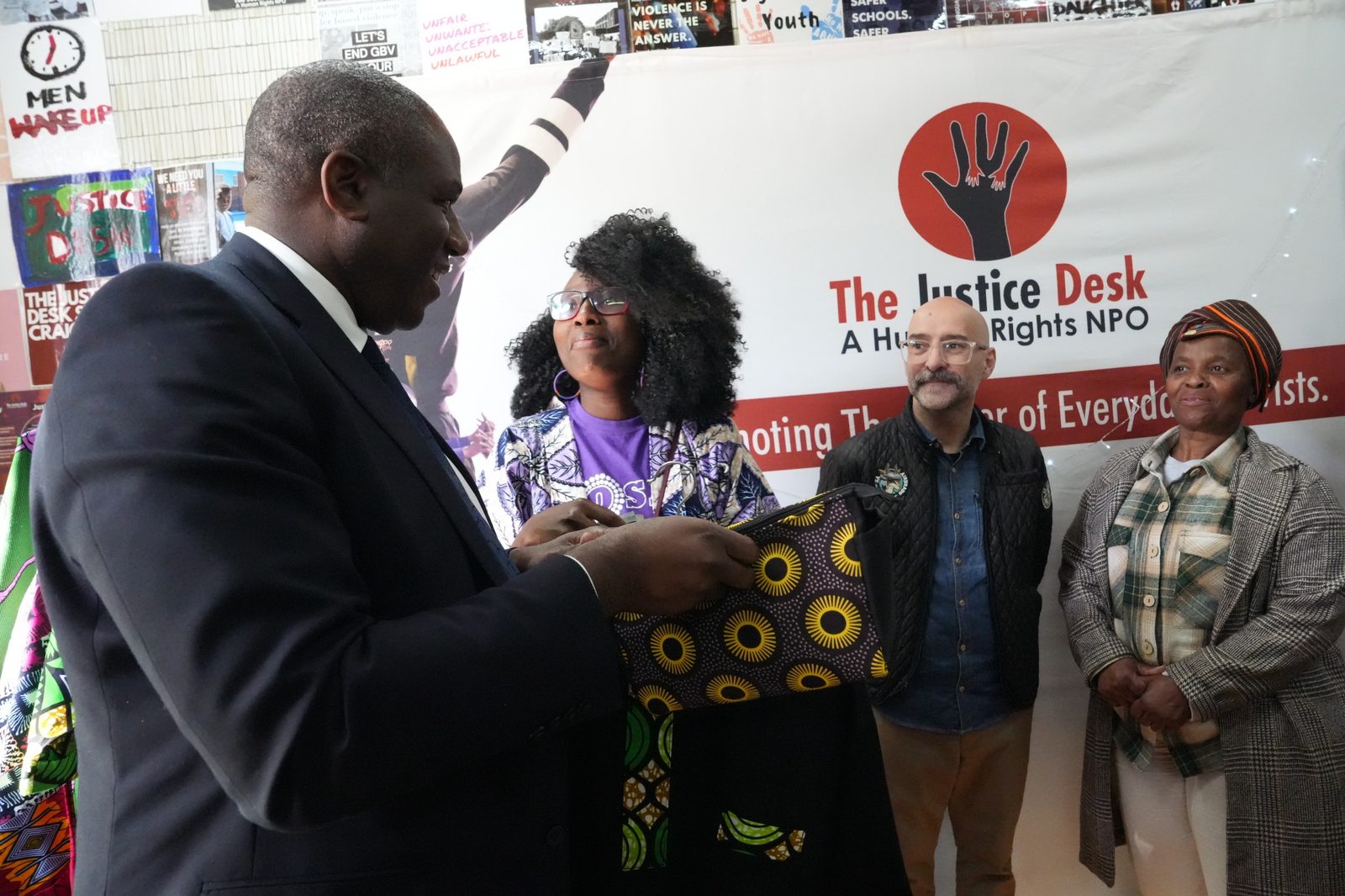
Three constitutional oversight bodies gathered in Johannesburg on Monday morning to examine why South Africa continues to lose its war against gender based violence. Yet while commissioners set out recording devices and opened policy binders, police detectives fifty kilometres away were counting more bodies. By noon, the official death toll from the weekend massacre at a tavern in Wedela outside Carletonville had climbed to 18 after investigators uncovered a second linked shooting scene.
The gruesome update from Gauteng police commissioner Tommy Mthombeni shattered any illusion that national crime strategies are holding ground. Gunmen had walked into an informal tavern on Saturday night and opened fire without warning. They did not stop there. Detectives following tyre tracks and spent cartridges found four additional victims gunned down along an adjacent escape road. The physical evidence pointed to an orchestrated execution that left families across the West Rand searching morgues for their children.
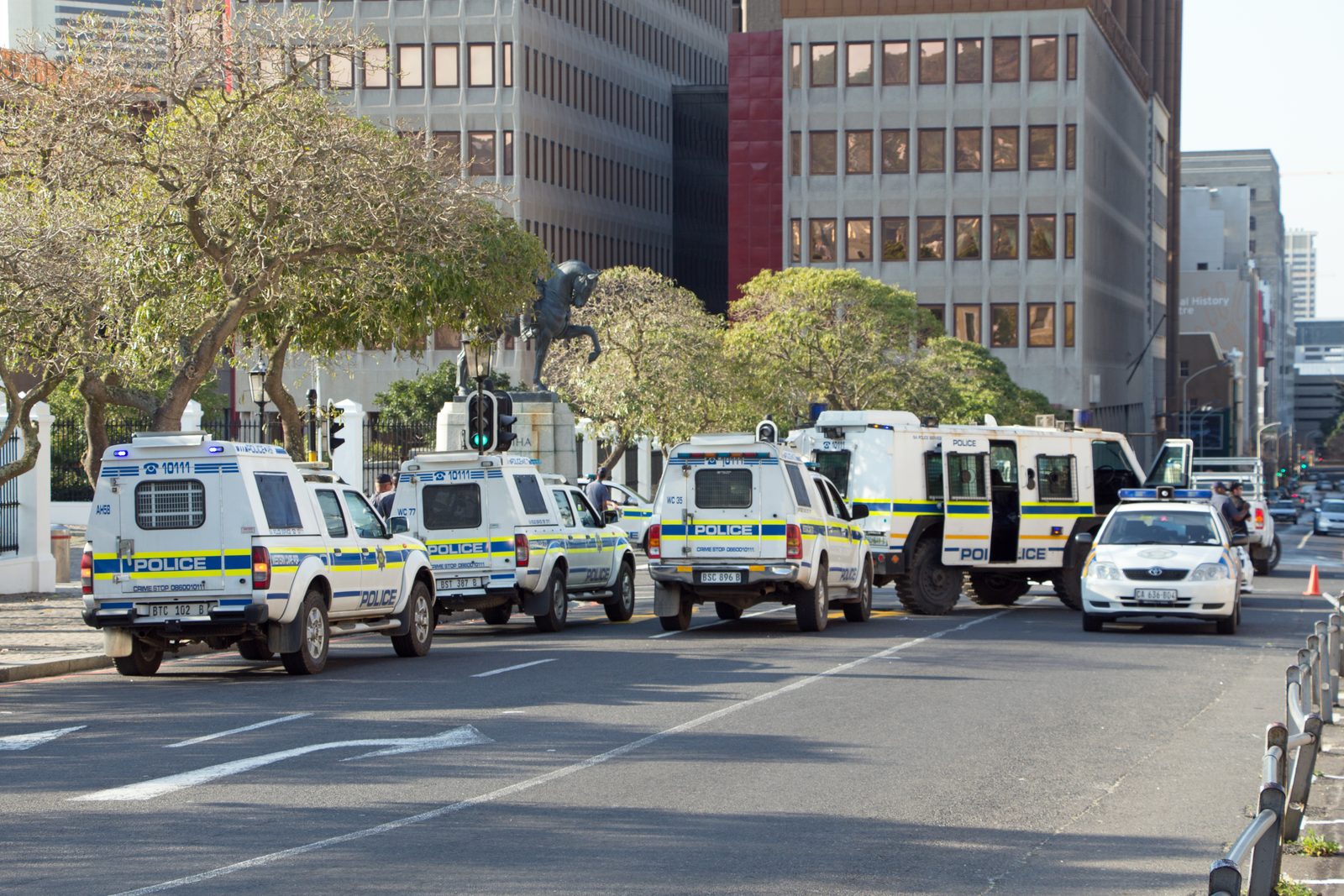
The slaughter in Wedela did not occur in isolation. Across the country over the same forty eight hour window, mass shooting scenes unfolded in Lwandle near Strand in the Western Cape and another young woman aged 23 was murdered in Tembisa. For the Commission for Gender Equality, the South African Human Rights Commission, and the CRL Rights Commission, this bloody weekend provided a brutal backdrop to their joint inquiry into the criminal justice pipeline.
Inside the hearing room, testimony quickly focused on what happens long before a courtroom trial ever begins. Advocacy groups and legal clinics laid out the familiar collapse that greets victims when they walk into local police charge offices. Survivors describe unstaffed victim support rooms, missing rape test kits, and officers who advise women to return home and resolve domestic assaults through family meetings. When cases are opened, dockets frequently disappear from station registry rooms before prosecutors can review them.
This institutional decay explains why South Africa registers thousands of violent contact crimes every quarter while conviction rates remain stubbornly low. The Chapter 9 panel heard that detectives carry active caseloads running into hundreds of dockets simultaneously. Without dedicated transport, reliable telephone lines, or functioning forensic tracking tools, frontline investigators often fail to secure witness statements before suspects return to intimidate grieving families.
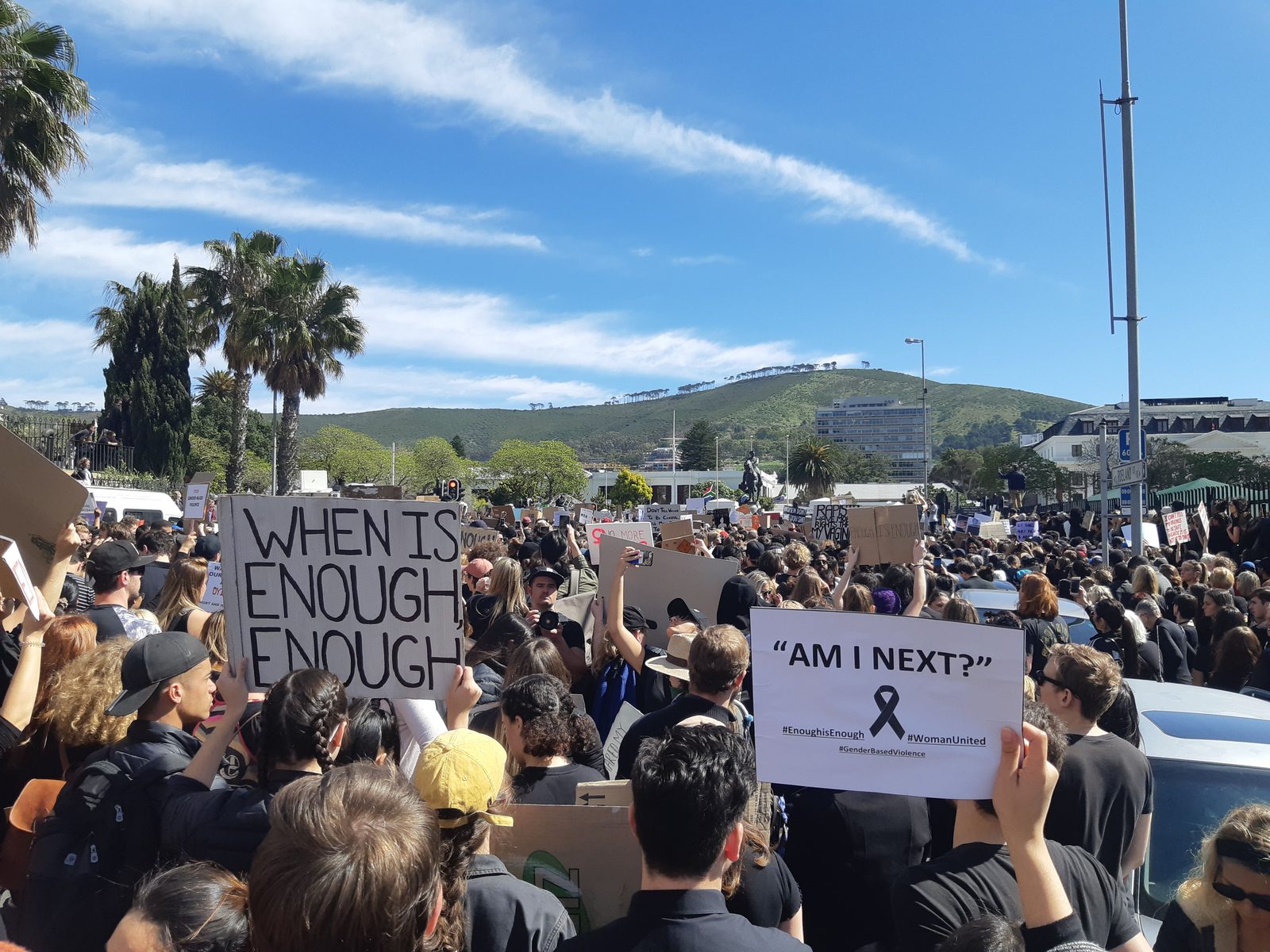
A Chapter 9 National Joint Inquiry represents a formal constitutional investigation convened under the authority of South Africa's independent state watchdog institutions. These bodies hold statutory subpoena powers to compel government ministers, police generals, and municipal executives to produce internal records, explain operational failures, and answer public interest questions under oath. Unlike executive task teams appointed by the presidency, findings from Chapter 9 commissions carry independent constitutional weight and are tabled directly before Parliament.
For everyday South Africans, the opening of this inquiry underscores a terrifying truth. You can dial 10111, file an affidavit, and receive a case number, yet still find yourself completely unprotected when night falls. The disconnect between government promises and street safety affects every community where illegal firearms circulate without consequence and local police stations lack basic resources to keep women alive.
* Can recommendations from Chapter 9 oversight panels force the South African Police Service to overhaul station level docket management when previous commission reports have gathered dust on ministerial shelves?
* How will provincial police management dismantle the syndicates supplying military grade automatic weapons and ammunition to township taverns across Gauteng?
* What immediate protection will the state provide to eyewitnesses and survivors whose testimony is essential to convicting the shooters responsible for the 18 murders in Wedela?
* Why are specialized victim empowerment facilities at local police stations consistently left unstaffed and underfunded despite billions allocated to gender based violence initiatives?