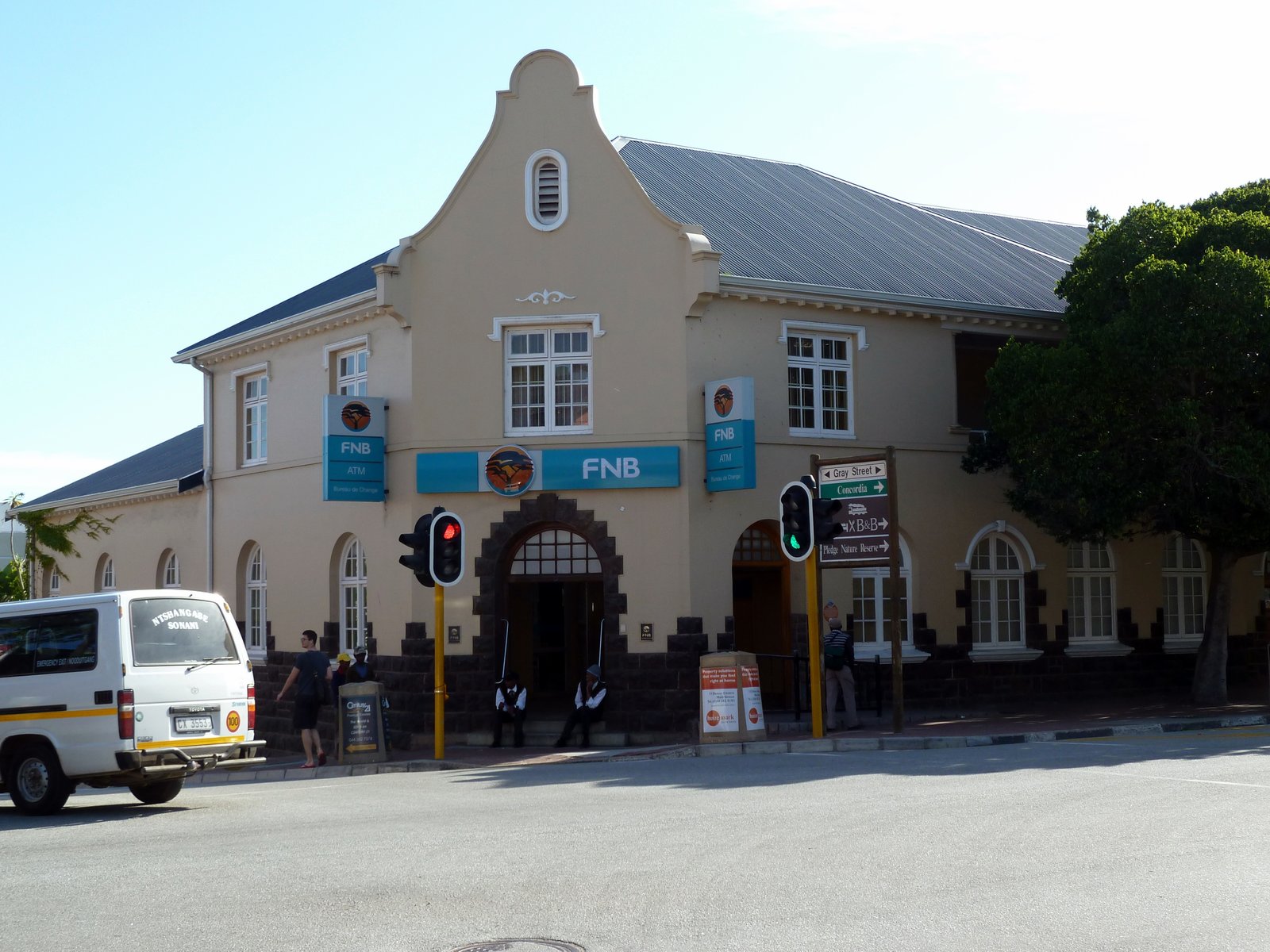
Seven years after it stunned the domestic fintech sector by abruptly terminating banking services to cryptocurrency exchanges, First National Bank has executed an extraordinary commercial reversal. The commercial lender has rolled out direct retail cryptocurrency trading inside its flagship mobile banking application, allowing millions of everyday account holders to purchase digital assets alongside traditional equities, unit trusts, and cash savings.
The offering represents the first full scale integration of retail cryptocurrency by one of South Africa's big four commercial banks. Operating through a formal partnership with licenced crypto exchange VALR, FNB customers can trade five selected digital tokens, namely Bitcoin, Ethereum, Ripple, Solana, and the dollar pegged stablecoin USDT. The bank has lowered the barrier to entry to a minimum investment threshold of just ten rand, embedding the tool directly across its Share Saver, Share Builder, Share Investor, and Share Zero portfolio accounts.

The move marks a profound evolution from late 2019, when FNB closed the bank accounts of major digital currency platforms citing regulatory ambiguity and heightened financial crime risk. The intervening licensing framework established by the Financial Sector Conduct Authority, which declared crypto assets as regulated financial products and licenced dozens of institutional service providers, provided the statutory comfort necessary for FirstRand leadership to approve the venture.
Beneath the consumer convenience sits a tightly engineered walled garden. FNB account holders are strictly prohibited from depositing cryptocurrency from external private wallets into their banking profiles, and they cannot withdraw purchased coins to external exchanges or personal self custody hardware devices. All trades must be funded in rands and liquidated back into rands within the bank's closed perimeter. FNB executives have justified the restriction on grounds of consumer security and strict compliance with South African Reserve Bank exchange control directives.
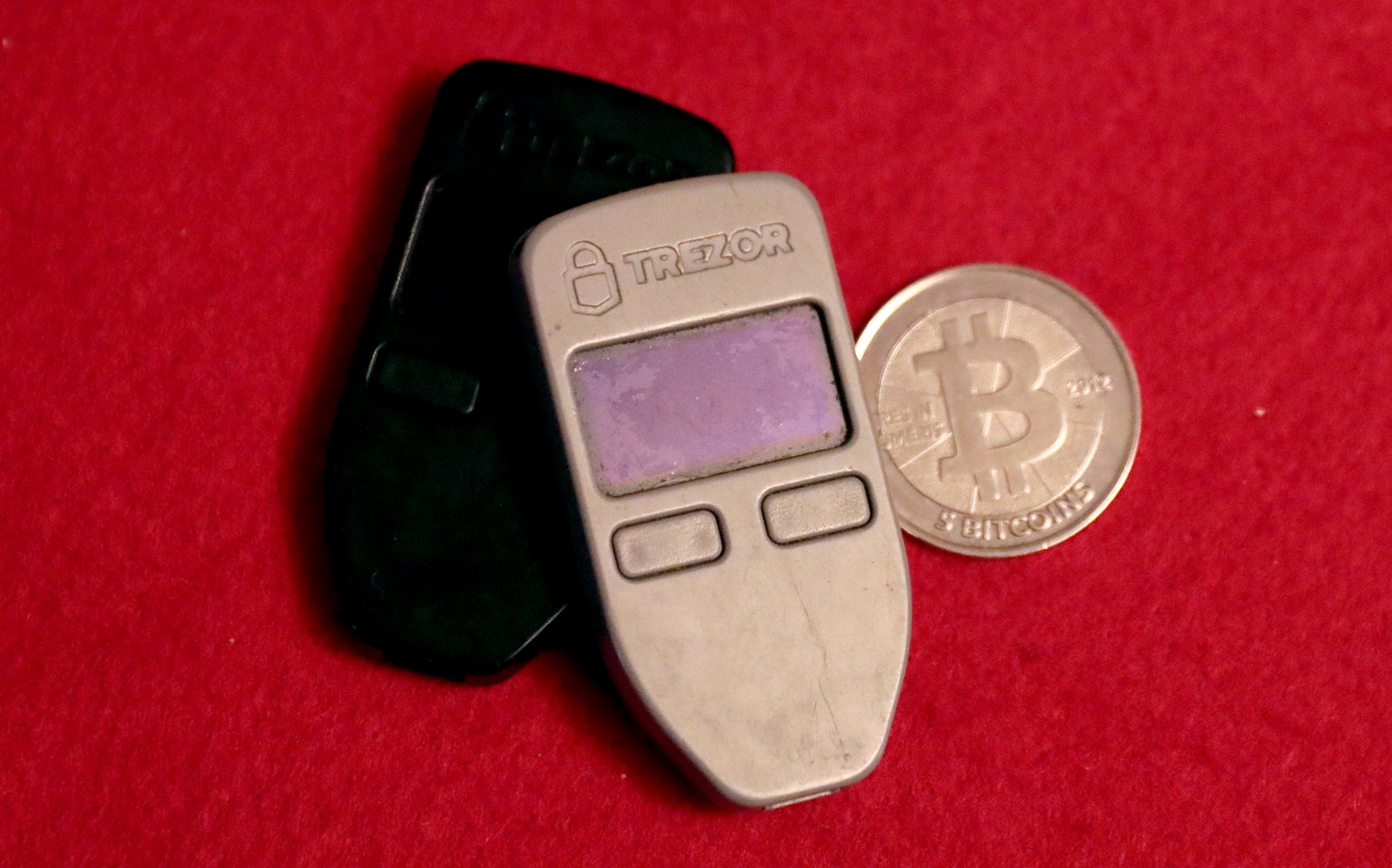
This architecture fundamentally bifurcates the South African crypto landscape. For mainstream retail savers, the bank offers seamless, friction free exposure to digital asset price movements without the complexity of managing cryptographic keys or seed phrases. For blockchain purists, however, the closed ecosystem violates the core ethos of decentralisation. Because users cannot move their tokens outside the bank, they hold custodial claims on assets rather than sovereign ownership of the underlying coins.
The competitive reverberations across South Africa's banking and asset management industries will be severe. By monetising trading margins and custody fees through VALR's execution rails, FNB places direct competitive pressure on rivals Standard Bank, Nedbank, Absa, and Capitec to unveil consumer crypto integrations. At the same time, standalone retail exchanges face the prospect of traditional commercial banks swallowing casual retail market share through superior app distribution.
A walled garden in banking refers to a closed investment ecosystem where customers can purchase and sell financial exposure to an asset class, but are barred from transferring the physical or cryptographic asset outside the institution's proprietary platform. It prioritises regulatory compliance and institutional control over asset portability.
If you bank with FNB and have avoided cryptocurrency due to the complexity of dedicated trading platforms, you can now allocate small amounts of cash to Bitcoin or Solana in seconds from your standard banking screen. The critical limitation is that you do not own the private keys to those tokens. You cannot spend them as payment at merchants, transfer them to friends, or secure them on an independent hardware wallet. You are buying price exposure within the bank, not financial self custody.
* How will competing commercial banks like Standard Bank and Capitec respond to FNB capturing early mover retail crypto volumes?
* Will the South African Reserve Bank eventually relax exchange control rules to allow retail bank customers to withdraw stablecoins to external wallets?
* What transaction fees and bid ask spreads is FNB charging retail consumers compared to direct trading on licensed domestic exchanges?