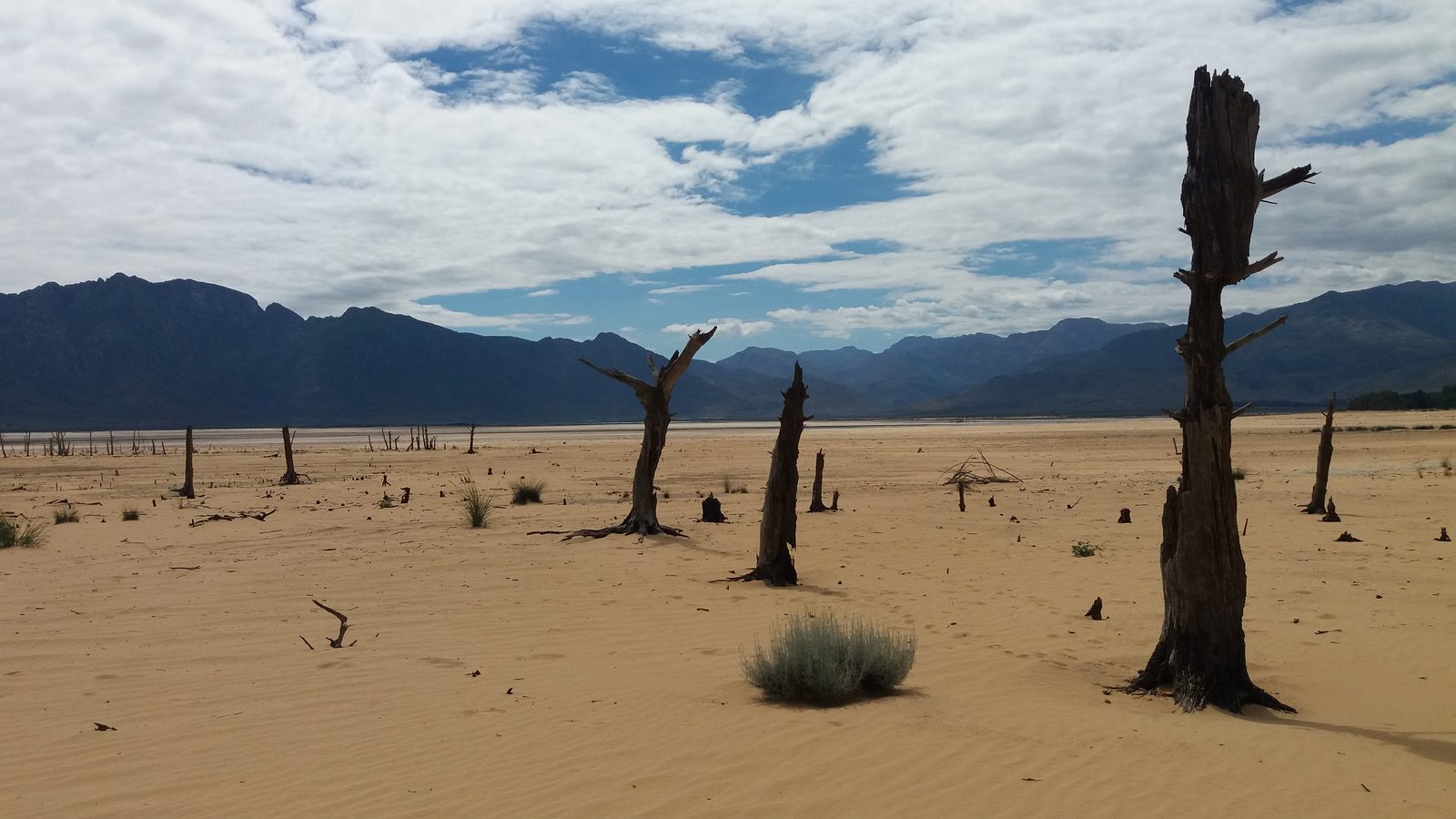
The Mpumalanga commercial town of Ermelo is facing a total drinking water shutdown within sixty to ninety days as pollution and infrastructure breakdowns paralyze the municipal water reticulation network.
Department of Water and Sanitation inspectors have warned that taps across Ermelo, Wesselton, and Cassim Park will run completely dry unless emergency rain recharges catchment basins before the sole operational reservoir reaches its dead storage threshold.
The municipal supply crisis is driven by compounding environmental contamination. The Willem Brummer Dam, historically a critical primary feeder for the town, has been completely decommissioned from raw water abstraction after becoming overwhelmed with untreated domestic sewage, elevated ammonia, and dangerous concentrations of faecal coliforms.
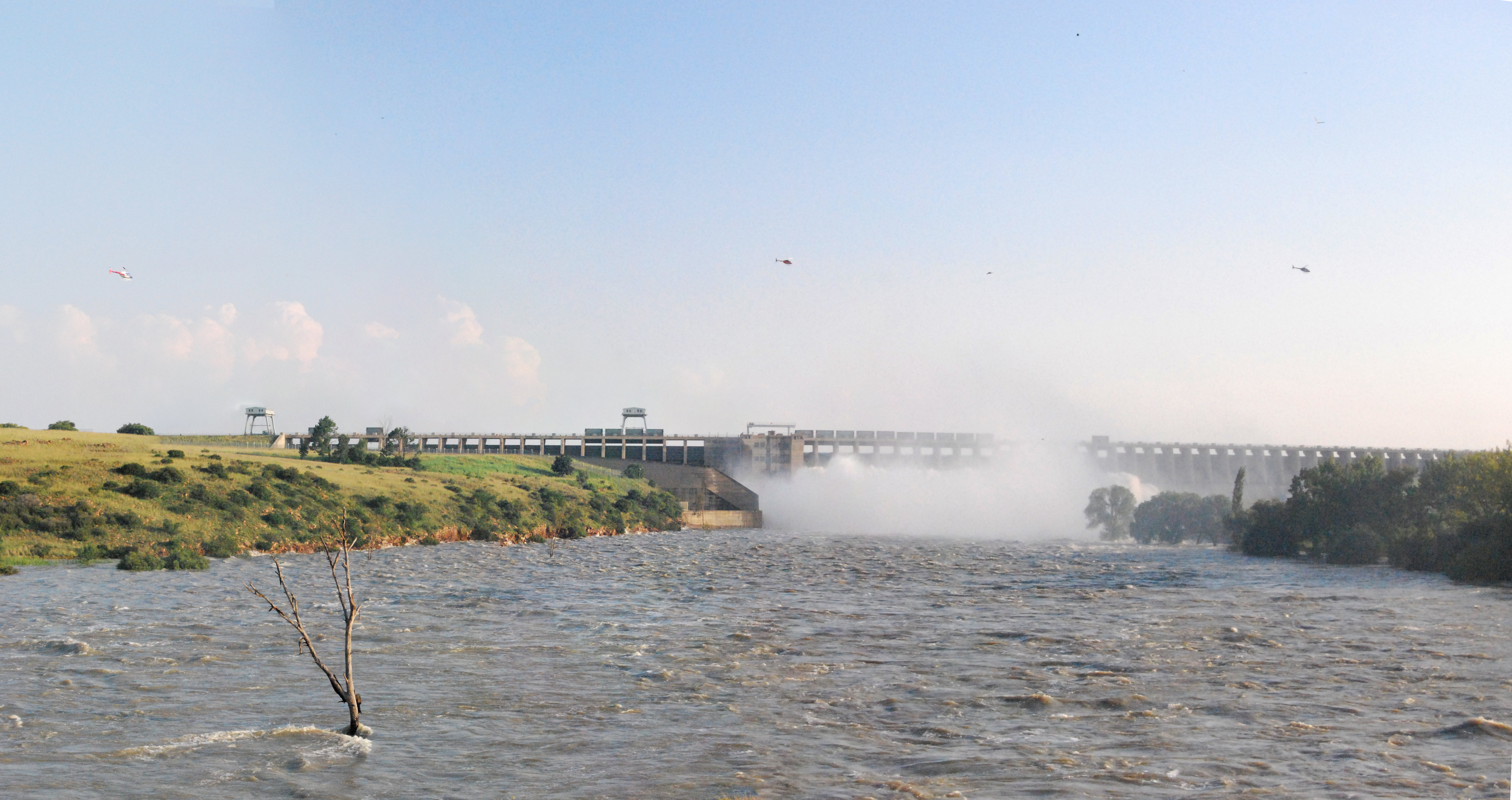
That failure leaves the town entirely reliant on the Douglas Dam, which is currently hovering at 50% capacity entering the dry spring season. Engineers warn that water abstraction must legally and mechanically halt once the dam drops to 25%, as operating below that minimum threshold causes heavy pump cavitation and draws toxic benthic sludge directly into treatment circuits.
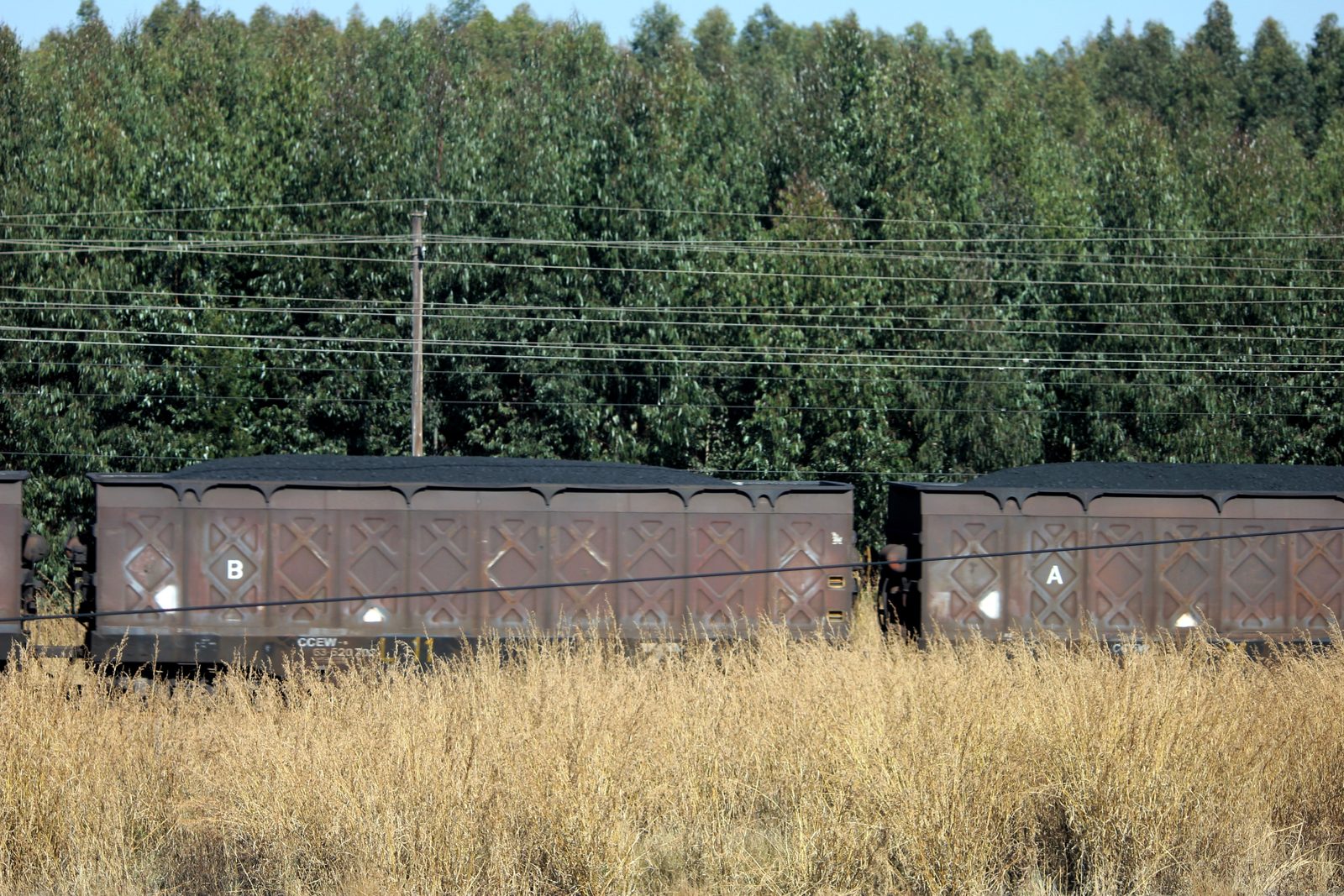
Catchment degradation from surrounding industry has accelerated the crisis. Opencast coal mining operations in the upper Ermelo basin have generated heavy siltation and coal fines that wash down feeder streams into the Douglas Dam, reducing reservoir depth and coating intake channels. Compounding the siltation, the Ermelo Wastewater Treatment Works suffers from chronic electromechanical breakdowns, continuously decanting untreated effluent into natural wetland sponges.
The crisis represents a continuation of statutory neglect. In September 2023, Judge Bruce Langa in the Mpumalanga High Court in Middelburg found the Msukaligwa Local Municipality guilty on eight counts of contravening the National Water Act 36 of 1998, ruling that municipal financial distress does not excuse an organ of state from halting unlawful sewage discharge. Three years later, compliance directives remain unenforced while local businesses, hospitals, and schools rely on erratic private water tankers.
Under Section 11 of the Water Services Act 108 of 1997, a municipality designated as a Water Services Authority has an affirmative statutory duty to progressively ensure basic water supply and sanitation. When untreated sewage is discharged into public streams, Section 19 of the National Water Act 36 of 1998 empowers national compliance inspectors to issue binding directives and execute emergency remediation at the local council’s expense.
Reaching Day Zero means residential taps run completely dry, forcing households and commercial enterprises to purchase private bulk water or rely on municipal water tankers. Unfiltered water systems elevate the risk of waterborne bacterial outbreaks, shutter local industrial processing operations, and depress residential property values across the Gert Sibande District.
* Will the Department of Water and Sanitation invoke Section 53 of the National Water Act to seize operational control of Ermelo’s collapsed wastewater plants before Day Zero hits?
* How will the Department of Mineral Resources and Energy enforce rehabilitation orders against opencast coal mines silting up the municipal catchment area?
* What emergency contingency water supplies will the provincial government deploy to sustain local hospitals and commercial food processing plants when Douglas Dam hits the 25% dead storage limit?