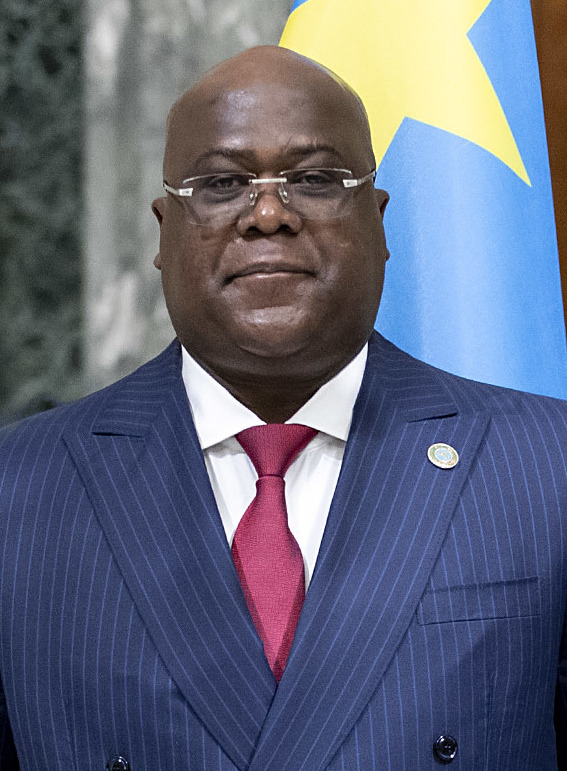
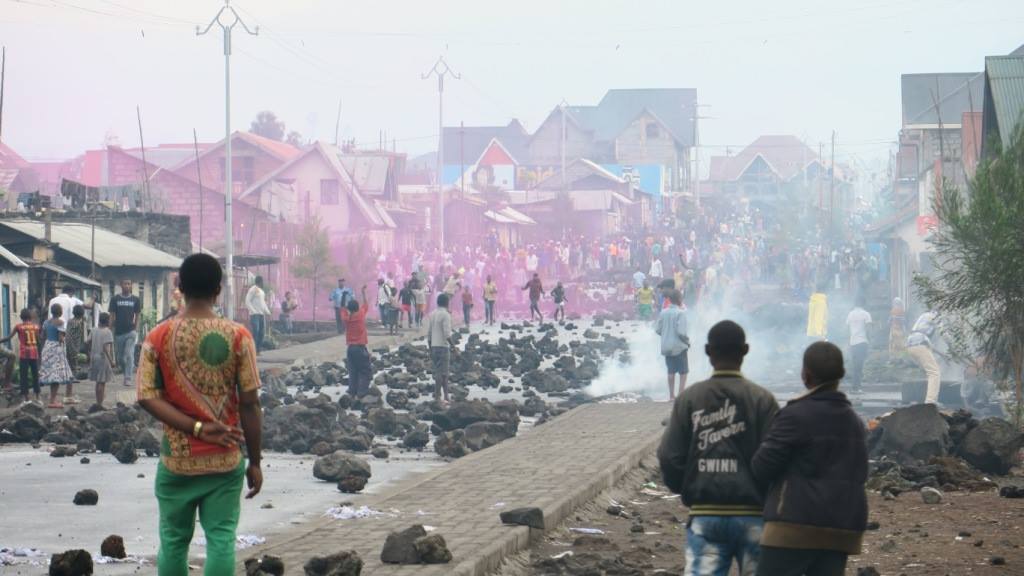
Congolese National Police fired tear gas and live rounds to disperse hundreds of protesters in Kinshasa, Lubumbashi, and Uvira who gathered to challenge President Félix Tshisekedi's push to rewrite the national constitution. The violent street dispersal directly compounds diplomatic and security pressures in Pretoria, where South African taxpayers fund a multi-billion rand military deployment while immigration authorities face legal roadblocks returning Congolese detainees held at Lindela Repatriation Centre.
The demonstrations were called by the C64 opposition collective, a coalition uniting figures including Martin Fayulu, Moïse Katumbi, and Delly Sesanga. Protesters burnt tyres and erected roadblocks across the capital before anti-riot units deployed water cannons and tear gas canisters along Boulevard Lumumba. Opposition leaders assert that Tshisekedi plans to circumvent Article 220 of the 2006 Constitution, which explicitly prohibits modifying the number or duration of presidential mandates, to secure a third term when his second term concludes in 2028.
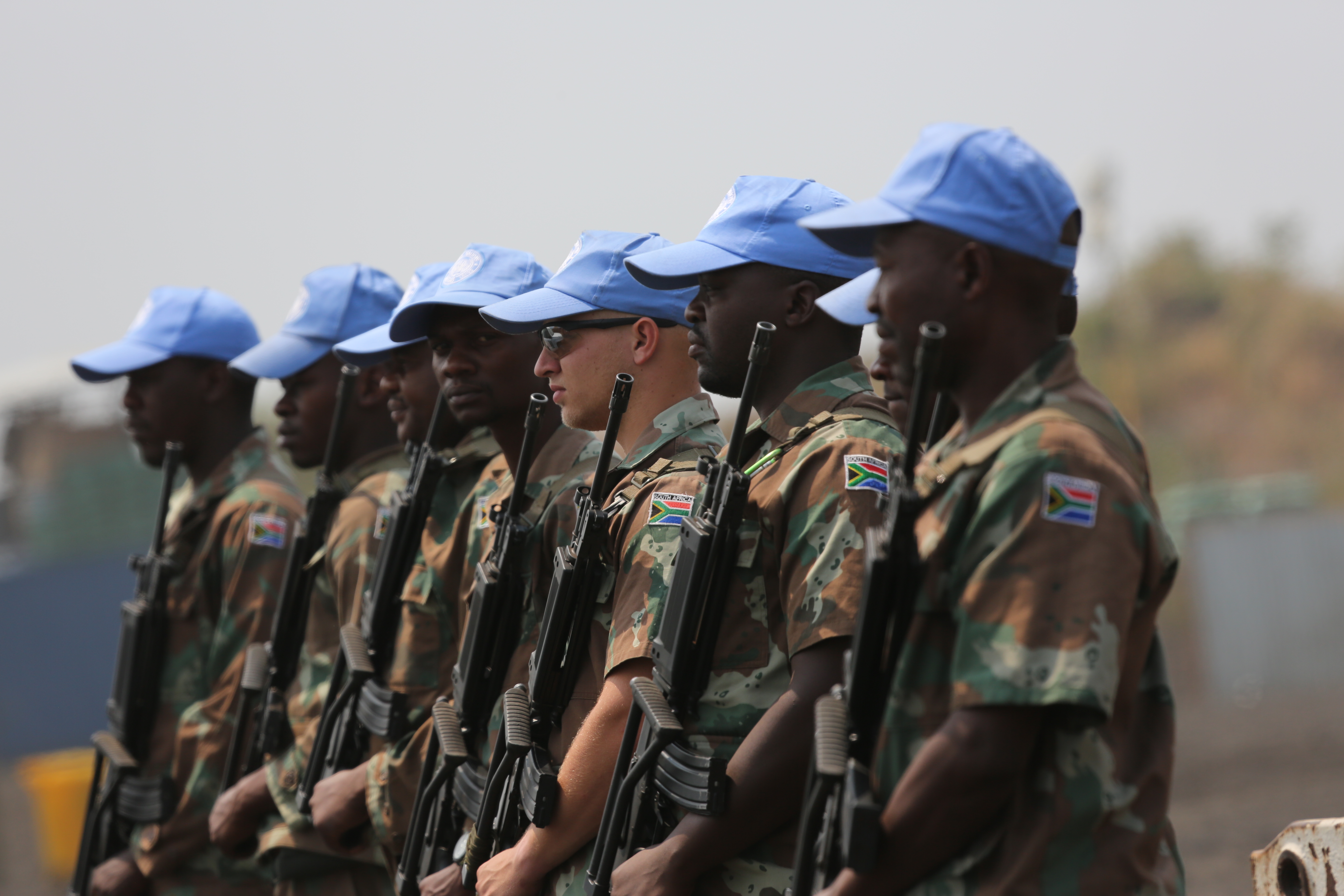
In Pretoria, the escalating civil unrest in western and southern Congo places the South African National Defence Force in an increasingly precarious operational position. South Africa maintains approximately 2,900 troops in eastern DRC under the Southern African Development Community Mission in the DRC, known as SAMIDRC, alongside Malawian and Tanzanian contingents. The mission carries an approved annual expenditure exceeding R2bn from the South African defence budget. Strategic analysts warn that if civil unrest destabilises Kinshasa and cuts off national logistical corridors, South African troops deployed near Goma and Sake risk being stranded without domestic supply resilience.
The crackdowns in Kinshasa also landed inside South African immigration courts this week. Following the municipal clearance of the Durban Albert Park informal settlement earlier this month, 274 undocumented foreign nationals were transferred to the Lindela Repatriation Centre in Krugersdorp. Official Home Affairs registers confirm that 191 of those detainees are DRC nationals awaiting deportation flights. Human rights attorneys have prepared urgent review applications in the High Court, arguing that executing deportations to a country actively firing on civil demonstrators violates Section 2 of South Africa's Refugees Act.
The dual pressure leaves President Cyril Ramaphosa and the SADC Organ on Politics, Defence and Security confronting a severe regional credibility dilemma. While Pretoria officially backs the Congolese government militarily against M23 insurgents in North Kivu, defending an administration that forcibly suppresses democratic protests undermines South Africa's regional peacekeeper standing. Parliamentary defence committee members have already requested an urgent briefing from Defence Minister Angie Motshekga regarding both troop safety protocols and the legal feasibility of pending repatriation orders.
Article 220 of the DRC Constitution forms the legal cornerstone of the country's post-civil war transition, establishing immutable clauses that bar any constitutional amendment altering the presidential limit of two five-year terms. President Tshisekedi contends that the 2006 charter was drafted by foreign actors and impedes effective governance, arguing that a national referendum is required to replace the entire document. Under international asylum law and South Africa's Refugees Act 130 of 1998, the principle of non-refoulement forbids the expulsion or return of individuals to a territory where their life, physical integrity, or personal freedom would face systemic threat from state violence.
For South African taxpayers, the DRC conflict is a direct domestic budget issue rather than a remote foreign dispute. The SANDF deployment under SAMIDRC draws over R2bn directly from National Treasury funds that defence analysts argue are urgently needed for domestic border protection and naval patrols. For communities surrounding Lindela and metropolitan detention facilities, delayed deportation proceedings mean prolonged state detention costs of approximately R180 per detainee per day, paid out of the Department of Home Affairs operational budget while court challenges remain unresolved.
Will SADC convene an extraordinary summit to redefine the SAMIDRC mandate before political volatility in Kinshasa cuts off supply lines to eastern garrisons? The second question rests with the High Court: will judges grant a blanket stay of deportations for the 191 DRC nationals currently detained at Lindela, forcing Home Affairs to absorb protracted holding costs? Finally, the timeline in Kinshasa hinges on the National Assembly, where lawmakers must decide whether to formally table the constitutional referendum bill before the upcoming parliamentary recess.