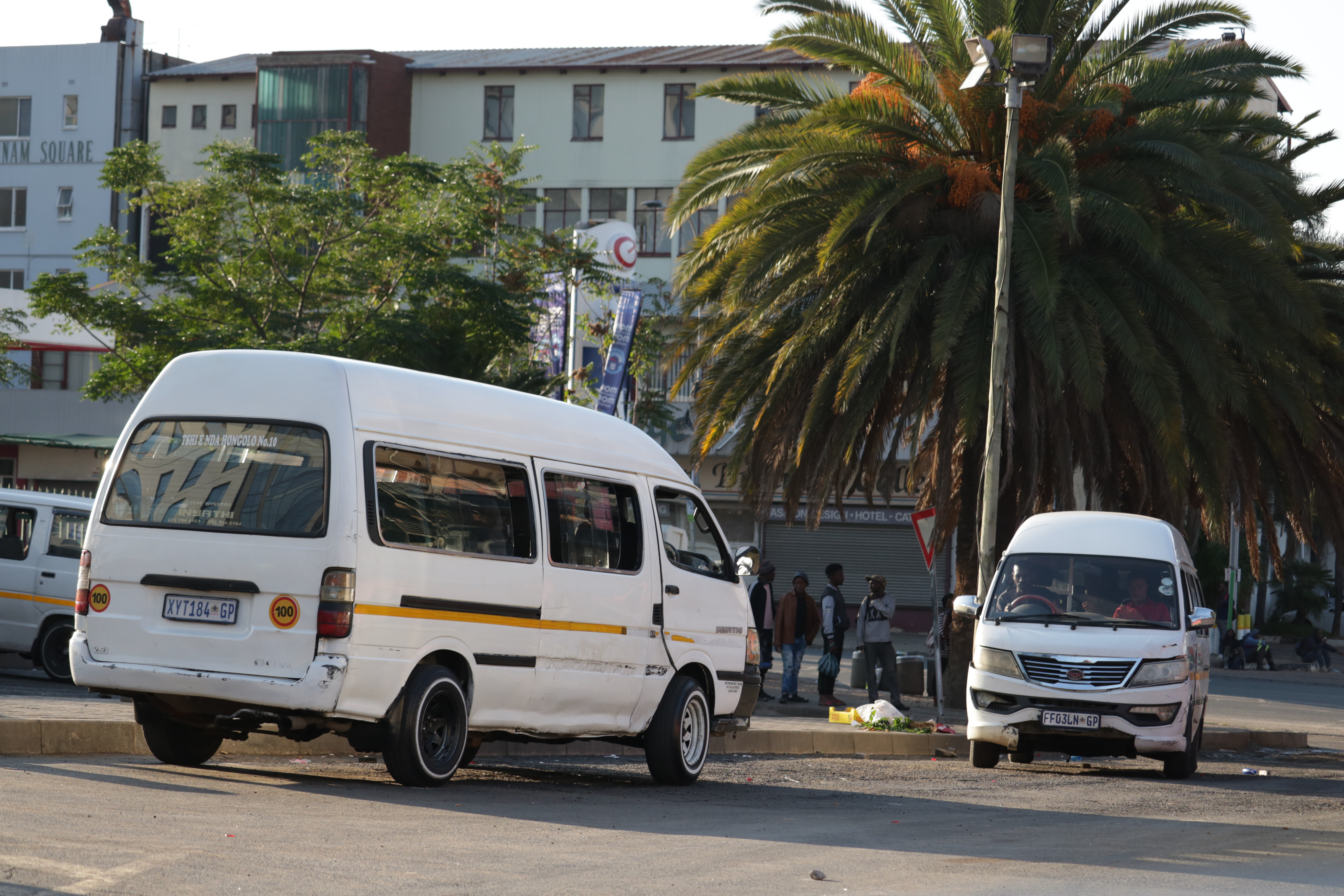
A sudden spike in diesel prices lands at the fuel pump within seconds of midnight on the first Wednesday of the month. At the taxi rank, the reckoning takes weeks to negotiate, leaving frontline operators to absorb an unforgiving margin squeeze out of their daily cash takings.
Minibus taxis move over 70 percent of South Africa's workforce every morning, yet the industry operates without direct state fuel subsidies. When wholesale diesel increases drive up operating overheads, local taxi associations do not immediately raise commuter fares. Annual fare reviews follow strict regional protocols, communal consultations, and route committee approvals designed to prevent passenger boycotts. Between that delayed institutional review and the immediate reality of an expensive pump reading lies the true friction of commuter economics.

Frontline drivers typically work on daily targets or percentage splits with vehicle owners. A driver who spends R750 to R900 filling a 65-litre tank on an interstate Toyota Quantum sees their net daily income evaporate before lunch. Because formal association stickers dictate fixed passenger prices, individual drivers cannot unilaterally add R2 to an existing R18 or R22 ticket without risking severe association fines.
To survive the lag between wholesale fuel inflation and formal tariff adjustments, ranks adapt through informal structural rationing. Queue marshals hold vehicles until every jump seat is occupied, eliminating half-full departures during off-peak windows. Short-distance township hops and circular feeder routes get deprioritised in favour of high-density arterial corridors where passenger turnover guarantees steady cash collections.
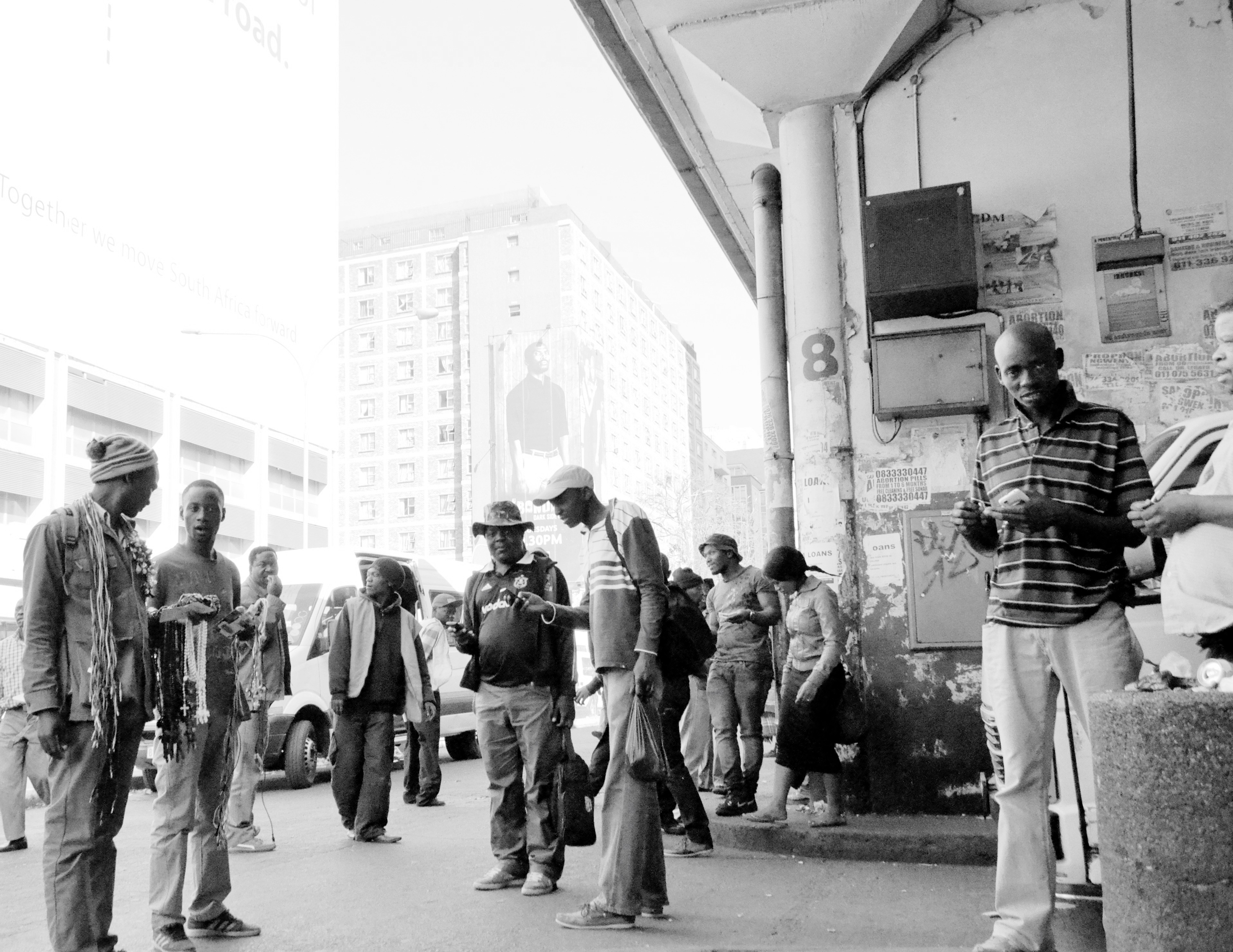
Commuter economics refers to the informal price-transmission gap where fixed retail transit tariffs lag behind volatile wholesale diesel inputs, forcing drivers and operators to finance cost inflation out of immediate cash flow.
If you rely on a minibus taxi to reach work, factory shifts, or school, the diesel shock affects your commute long before a fare notice is pasted on the vehicle window. Expect longer waiting queues at the rank during midday hours, fewer empty seats along roadside pick-up points, and aggressive driving as operators rush round trips to beat their rising fuel bills. When associations finally announce formal reviews, the accumulated pressure often results in steep, lump-sum fare increases that cut directly into household food and utility budgets.
* Can taxi councils like Santaco establish dynamic fuel-indexing mechanisms that avoid sudden double-digit fare shocks for working-class commuters?
* Why does public transport policy continue to subsidise commuter rail and municipal bus fleets while leaving the dominant minibus taxi industry exposed to raw global petroleum markets?
* How much longer can informal operators buffer diesel volatility before township mobility grinds to a halt?