The Democratic Nursing Organisation of South Africa has served the Gauteng Department of Health with a 30-day ultimatum to unfreeze funded clinical posts or face rolling provincial street protests.
Frontline nursing staff across Gauteng public hospitals are routinely managing more than 40 patients per shift in casualty units and general wards. In maternity wings, a single midwife frequently oversees eight women in active labour simultaneously. DENOSA provincial chairperson Bongani Banda warned that the province's healthcare network has turned into an operational hazard for both practitioners and patients, with the union preparing to mobilise members for picket lines if provincial authorities fail to deliver a turnaround plan before October.
Union leadership traces the breakdown to an archaic departmental organogram that has not undergone a structural revision since 2006. Gauteng's population has expanded by millions over the past two decades, yet nursing allocations remain tethered to outdated baselines. The resulting deficit is compounded by chronic medical supply stock-outs, frequent workplace assaults by frustrated patients enduring 18-hour casualty waits, and a leadership vacuum where key hospital chief executives and finance heads sit in prolonged acting capacities without executive spending authority.
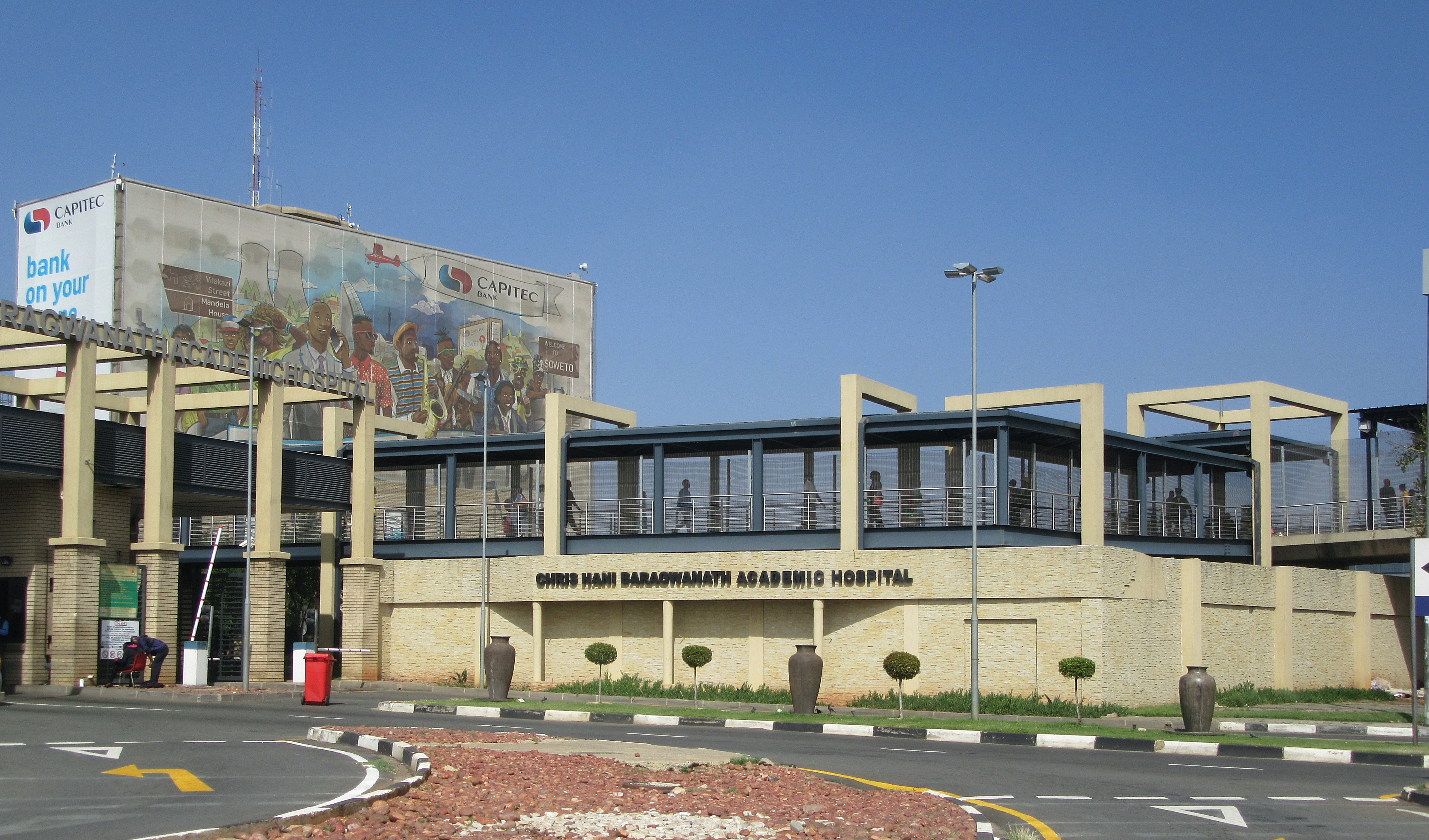
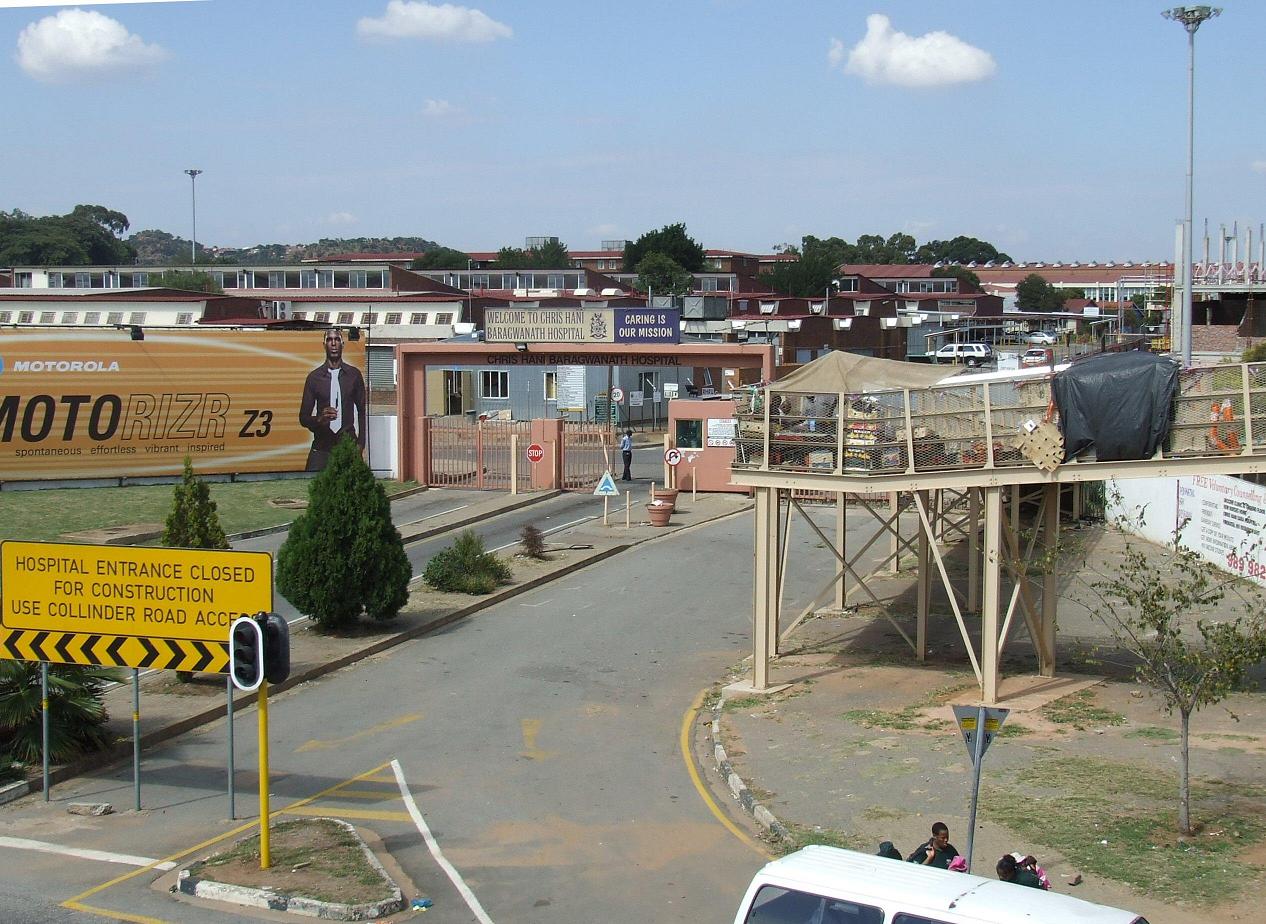
The Gauteng Department of Health has formally acknowledged severe staffing backlogs across its 37 academic and regional hospitals, but rejects union assertions that leadership is ignoring frontline pressure. Department spokesperson Steve Mabona confirmed that recruitment processes for critical clinical vacancies are underway, while stressing that the provincial budget of roughly R64 billion is severely constrained by national Treasury expenditure ceilings, prior-year accruals, and historical medico-legal claims. Health authorities have urged labour unions to resolve staffing grievances within statutory bargaining council chambers rather than staging protests that risk disrupting essential patient care.

A 30-day labour ultimatum is a formal pre-dispute notice served by a recognized trade union, triggering statutory conciliation periods before protected picketing or strike actions can lawfully commence under the Labour Relations Act.
If you or your family rely on public hospitals in Gauteng, this dispute directly impacts survival rates during acute emergencies. Severely overloaded casualty staff cannot provide close vital monitoring, raising the risk of preventable medical errors and unmanageable waiting times. Should DENOSA activate lunchtime pickets and street demonstrations next month, elective surgeries and outpatient clinics will face severe disruptions across the province.
* Can the Gauteng provincial treasury allocate emergency funding to unfreeze critical nursing posts before the 30-day deadline expires?
* When will the department replace acting chief executives with permanent hospital heads empowered to fix broken procurement pipelines?
* Will health authorities and union negotiators reach a binding minimum-staffing agreement at the bargaining council, or will the dispute spill onto the streets?