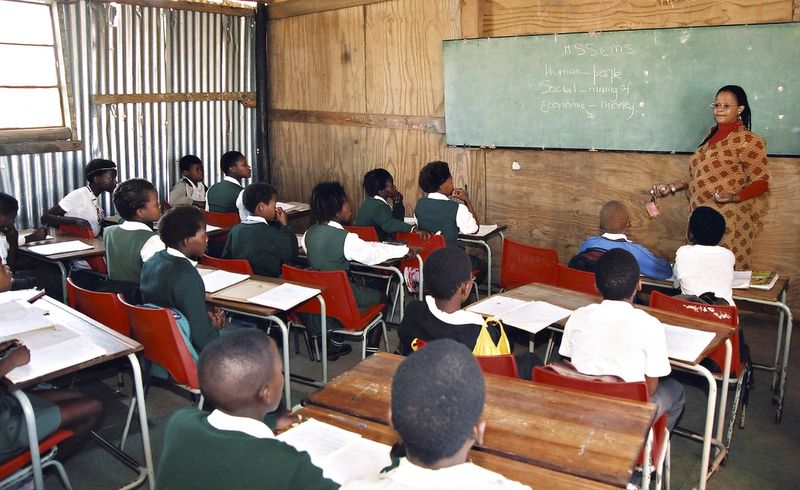
The figures draw stark attention to persistent systemic bottlenecks, high high-school dropout rates, and severe provincial learner placement backlogs that prevent thousands of children from accessing formal education.

Out-of-School Children & Educational Retention
The structural parameters defining out-of-school populations include:
Net Enrolment Rate (NER): The proportion of school-aged children enrolled in matching levels of basic education.
Systemic Retention Bottlenecks: Structural dropouts occurring primarily between Grades 10 and 12 due to academic, financial, or environmental pressures.
Placement & Infrastructure Constraints: Capacity shortages in high-density education districts leading to delayed or unfulfilled school placements.
KEY DEVELOPMENTS IN THE REPORT
405,000 Children Unenrolled: Official report metrics indicate over 400,000 school-aged youth remained outside the school system in 2024.
High Grade 10–12 Retention Loss: A significant portion of out-of-school youth corresponds to high-school dropouts who exit the system prior to matriculation.
Socio-Economic Factors: Economic hardship, pregnancy, security threats, and lack of family support continue to drive non-attendance.
Infrastructure Deficits: Provincial departments face ongoing challenges expanding classroom capacity to match demographic demand.
For Families & Communities: Highlights the urgent need for local support structures and streamlined provincial placement procedures.
For the National Economy: Underlines the risk of expanding youth non-participation in education, training, or employment sectors.
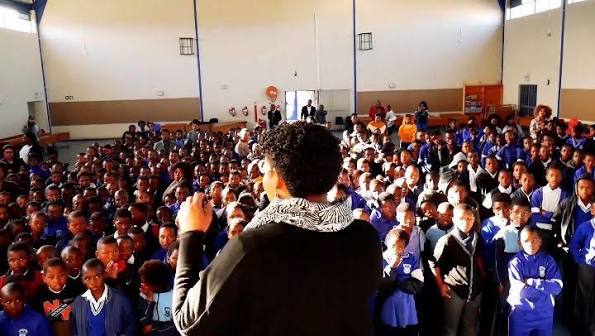
What policy changes should the Department of Basic Education introduce to curb high-school dropout rates before Grade 12?
How can provincial education departments eliminate annual learner placement backlogs?
Have a perspective on this story? Leave your comment below and join the debate on News Definition.