The Congress of South African Trade Unions has formally resolved to demand an outright government ban on Chinese online retail platforms Shein and Temu. The trade union federation adopted the motion during its 15th National Congress at Emperors Palace in Ekurhuleni on Wednesday. The resolution backs an aggressive campaign by the Southern African Clothing and Textile Workers Union to shield domestic cut, make, and trim factories from ultra low cost imports.
Trade union leadership argues that direct air freight parcels from Guangzhou and Shanghai undermine local collective bargaining agreements and destroy formal industrial jobs. Sactwu research indicates that uninhibited volume growth from these cross border e-commerce platforms could eliminate up to 34,000 South African jobs across the clothing, textile, footwear, and leather sectors by 2030. The union insists that previous tax adjustments have failed to stem the tide.
The demand for a total ban represents an escalation in trade friction. On 1 September 2024, the South African Revenue Service scrapped the historical de minimis concession that allowed parcels under R500 to enter the country under a flat 20 percent customs duty without value added tax. SARS instituted a 45 percent import duty plus 15 percent VAT on all low value apparel consignments. Yet consumer parcel volumes processed through OR Tambo International Airport have remained near record levels because digital platform prices continue to undercut South African retail store shelves.
Trade analysts emphasize that implementing a platform specific import ban carries severe legal obstacles. Imposing an outright trade embargo on selected commercial websites risks violating World Trade Organization non-discrimination principles under the General Agreement on Tariffs and Trade. Furthermore, an import ban conflicts with bilateral trade diplomacy, given that China is South Africa's largest trading partner. Millions of working class households rely on the apps to buy basic children's garments and household necessities amid stagnant domestic wages.

An import ban is a state enforced prohibition on the commercial entry or digital distribution of designated foreign goods or services within a national territory.
Under the International Trade Administration Act 71 of 2002 and World Trade Organization rules, quantitative import restrictions and selective embargoes are strictly prohibited except under narrowly defined exceptions for national security, public health, or catastrophic balance of payment emergencies.
Protectionist measures typically rely on countervailing duties or anti-dumping tariffs rather than complete platform blockades. A unilateral ban on specific corporate domains invites retaliatory trade sanctions and international dispute settlement proceedings.
South African consumers face the loss of affordable, direct to consumer clothing options if government introduces digital payment restrictions or customs parcel bans.
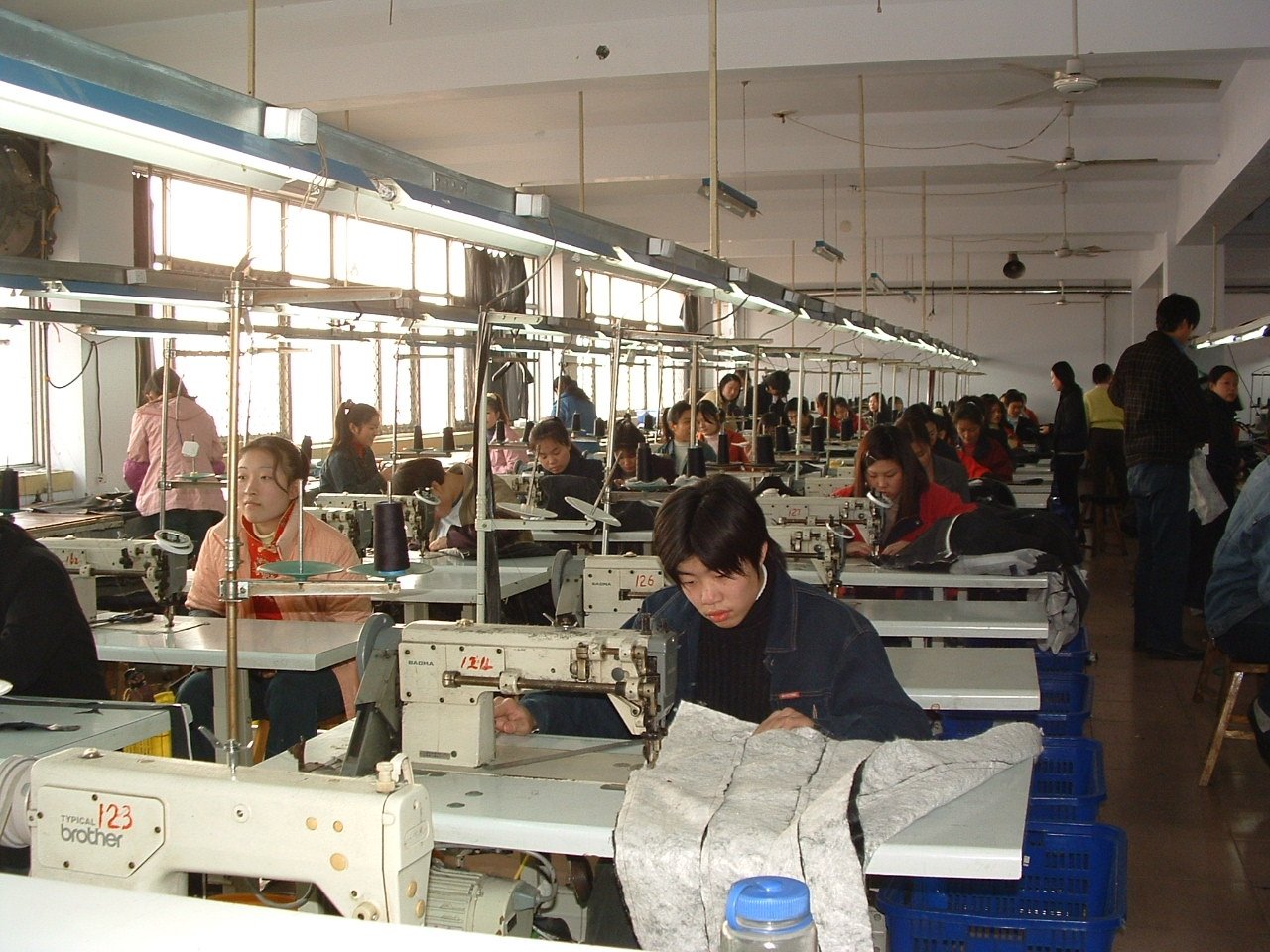
Factory workers and machinists in Newcastle, Durban, and Cape Town face mounting retrenchment pressures if local retail chains cut orders in response to cheaper foreign imports.
Retail shop assistants and local mall tenants face foot traffic declines as discretionary consumer spending moves permanently from suburban shopping centres to international mobile apps.
* Will the Department of Trade, Industry and Competition entertain a formal platform ban that could trigger retaliatory trade actions from China?
* How will the South African Revenue Service tighten parcel inspection protocols to ensure foreign platforms cannot bypass the 45 percent customs tariff?
* Can domestic garment manufacturers modernize supply chains to compete on price and variety without relying permanently on state trade barriers?