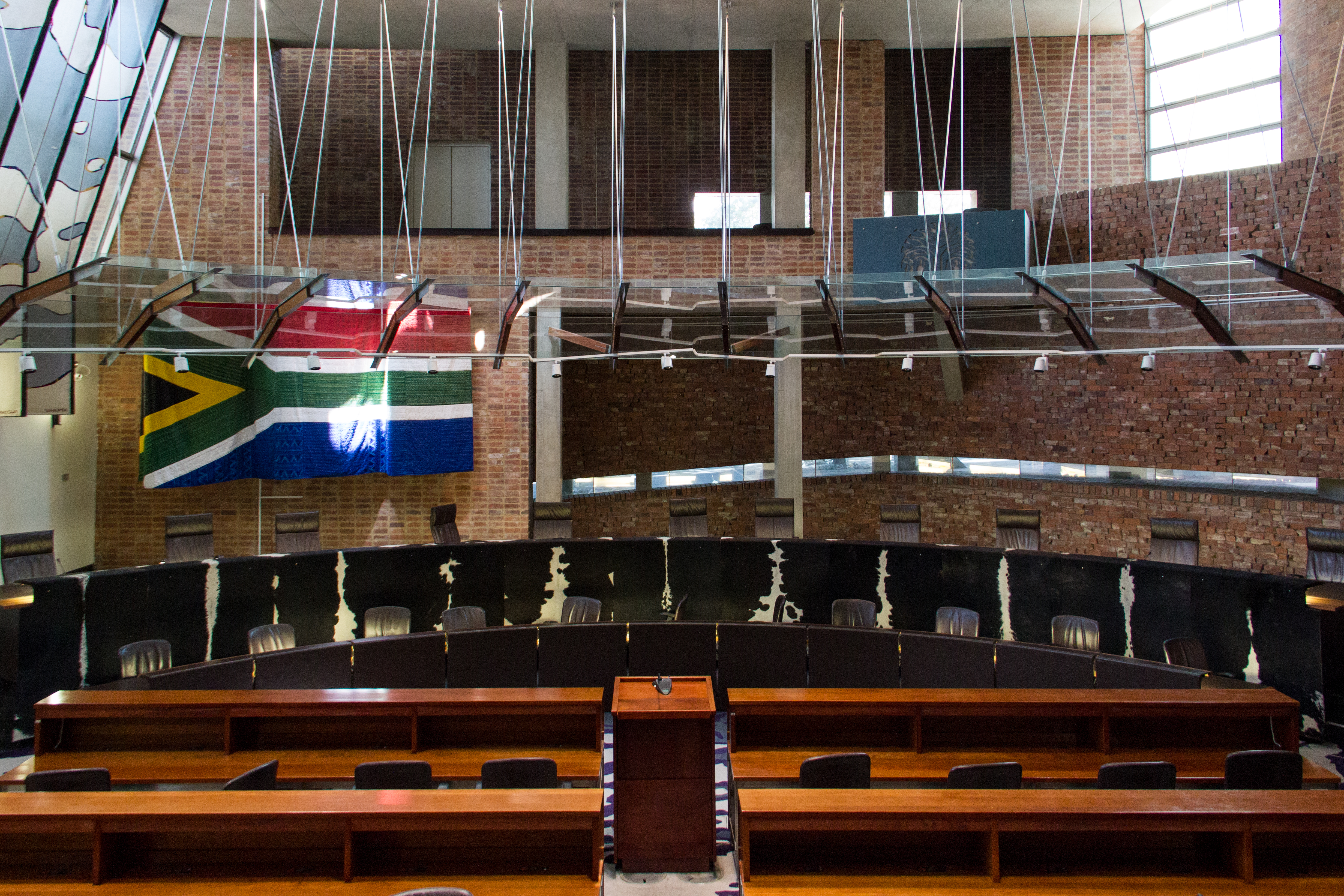
The Constitutional Court has struck down the Public Procurement Act in full after finding that Parliament breached the Constitution by truncating public participation when passing the statute.
The unanimous ruling wipes out the state overhaul of South Africa's R1 trillion annual tender market before a single clause could take effect, landing the President and National Treasury with punitive legal costs.

Delivering the apex court's judgment in the consolidated challenges brought by the Western Cape Government, the City of Cape Town, and trade union Solidarity, Acting Justice Lister Nuku held that lawmakers made a mockery of their constitutional obligations. The court ruled that Parliament violated Section 59(1)(a) and Section 72(1)(a) of the Constitution, which command both the National Assembly and the National Council of Provinces to facilitate meaningful public involvement in the lawmaking process.
The constitutional rupture occurred in late committee stages ahead of the May 2024 general election. Parliamentary committees introduced sweeping, material amendments to Chapter 4 of the bill, which governs preferential procurement thresholds, mandatory set-asides, and local content requirements. Instead of conducting fresh public hearings on the redrafted framework, lawmakers gave provinces, local governments, and business organizations comment windows as short as four hours, while rationing oral submissions to two minutes per stakeholder.
Acting Justice Nuku ruled that while Parliament holds procedural discretion over its legislative timetable, political urgency cannot justify stripping citizens and local authorities of a reasonable opportunity to be heard. Because the procedural defect corrupted the enactment of the statute itself, the Constitutional Court struck down the entire Act rather than severing individual clauses. Critically, the bench refused to suspend the order of invalidity, concluding that since the statute had never been brought into operation, immediate invalidation creates no disruption to state administration.
President Cyril Ramaphosa signed Act 28 of 2024 into law in July 2024, yet it remained dormant pending the finalization of regulations. The ruling means no municipal contracts or national tenders are frozen today. State procurement remains governed by the established statutory framework: the Public Finance Management Act, the Municipal Finance Management Act, the Preferential Procurement Policy Framework Act, and the 2022 procurement regulations.
National Treasury confirmed it respects the apex court's ruling. Finance Minister Enoch Godongwana announced that the executive will consult parliamentary leadership to restart the legislative process from the beginning, drafting a replacement bill that strictly aligns with public consultation standards.
The Western Cape Government and the City of Cape Town hailed the judgment as an absolute vindication of sub-national autonomy. Cape Town Mayor Geordin Hill-Lewis noted that the legislation would have choked municipal infrastructure delivery with centralized red tape. The court ordered the President, the Finance Minister, the National Assembly Speaker, and the NCOP Chairperson to pay the legal costs of the applicants.
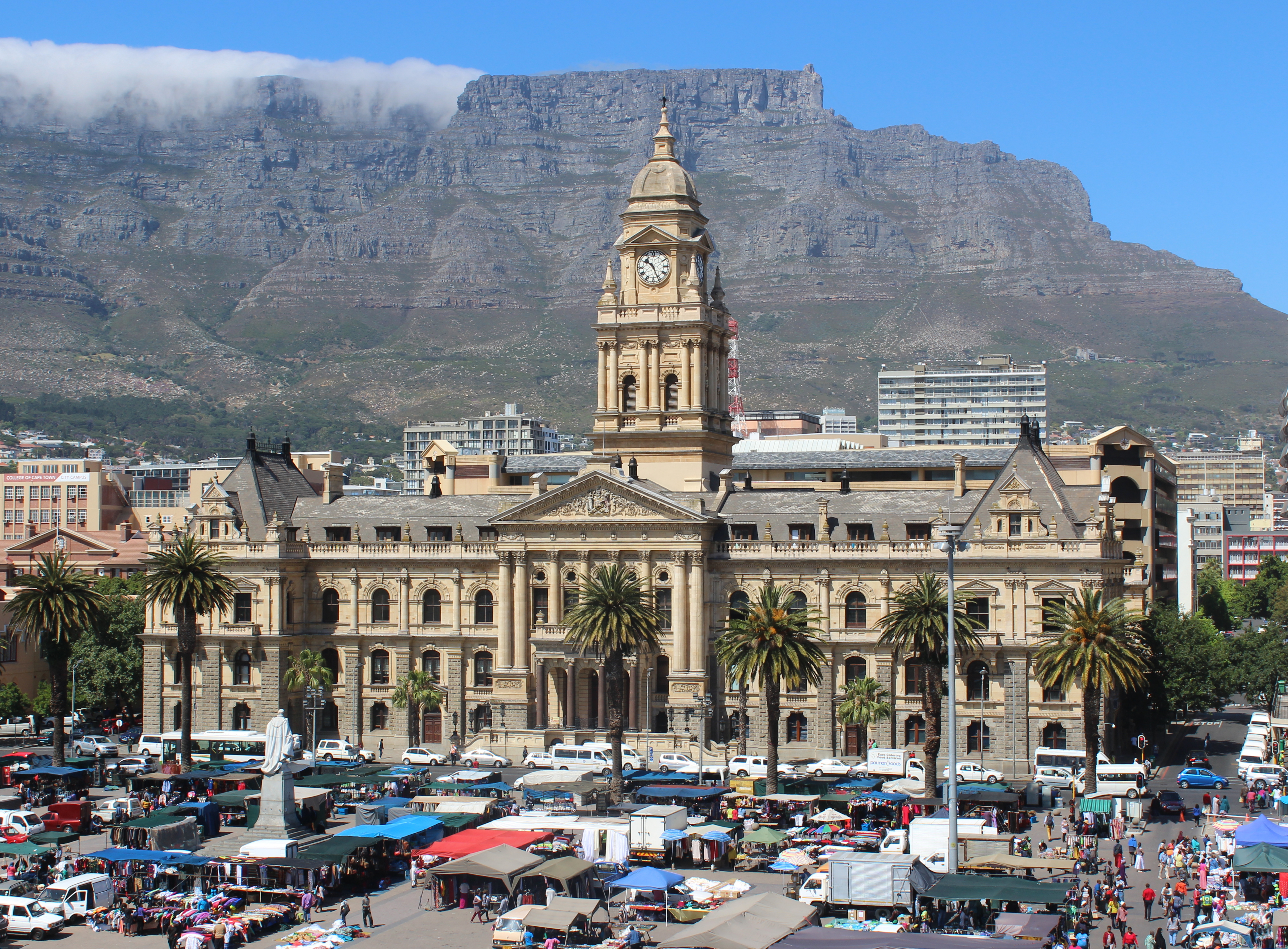
The Constitutional Court's invalidation restores the legal status quo ante across South Africa's public supply chain. The Public Procurement Act 28 of 2024 is erased from the statute books without ever taking effect, leaving public spending anchored to Section 217 of the Constitution and existing municipal and national finance legislation.
If you supply goods or services to municipalities, provincial departments, or state-owned enterprises, procurement procedures do not change this morning. Tender boards continue operating under existing bid specifications and preferential points systems. The threatened centralization of local purchasing decisions is eliminated until a new bill can navigate the full legislative process.
* How quickly can National Treasury draft a replacement procurement bill that survives rigorous public participation scrutiny without collapsing into legislative gridlock?
* Will the government of national unity preserve the contentious Chapter 4 preferential procurement and set-aside mandates, or will policy compromises reshape the next draft?
* What disciplinary or procedural reforms will Parliament implement to prevent committee chairpersons from rushing complex commercial legislation through truncated comment windows?