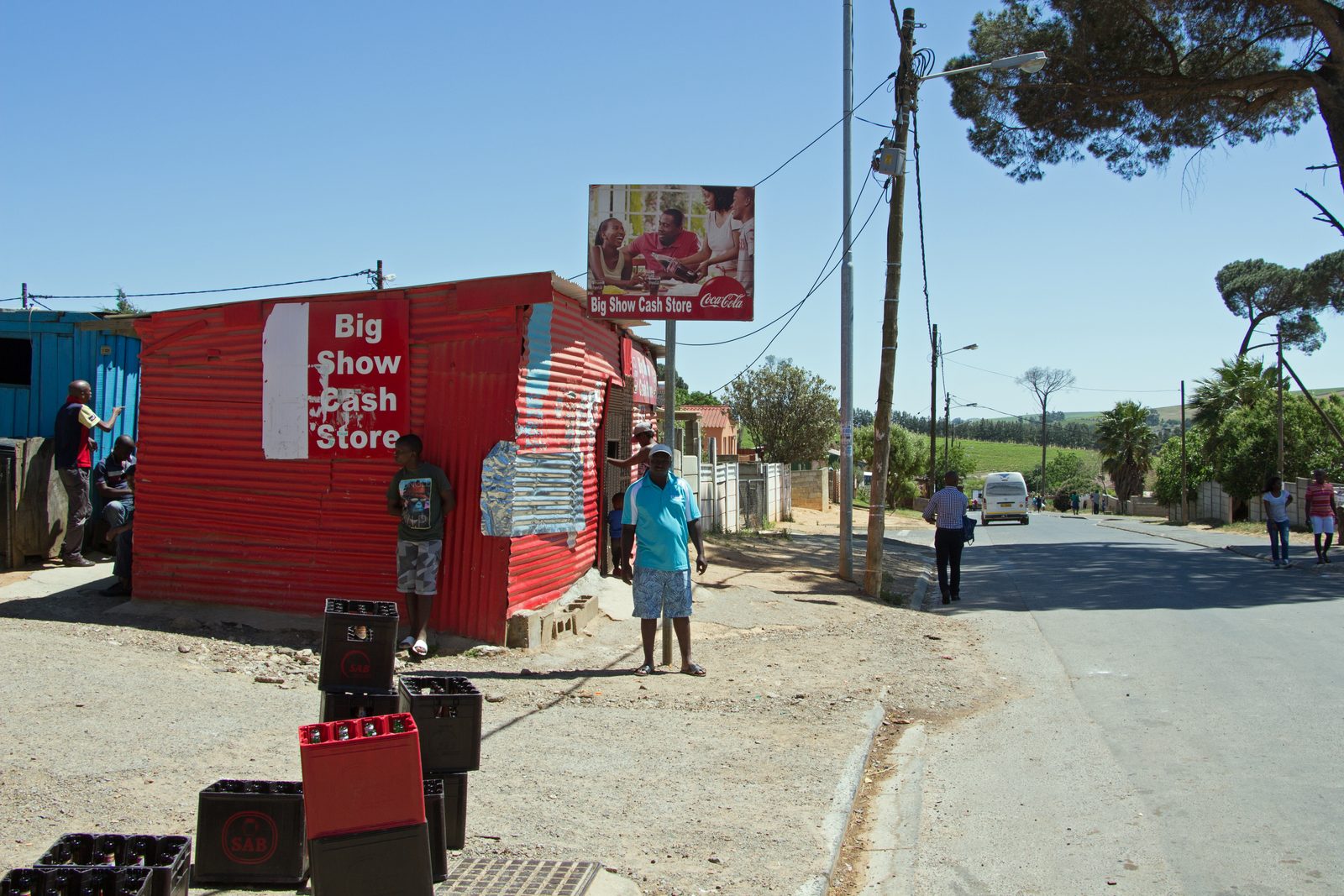
The Competition Commission has initiated market interventions into wholesale pricing structures that disadvantage informal retailers, coinciding with the City of Johannesburg processing more than 4,000 spaza shop registration applications following the Gauteng Informal Traders Summit at the University of Johannesburg Soweto Campus. The dual regulatory push targets a systemic commercial squeeze where 50% of household income leaks out of township communities, leaving more than 150,000 micro-enterprises in an estimated R190bn informal retail sector paying up to 20% higher wholesale unit costs than national supermarket chains.
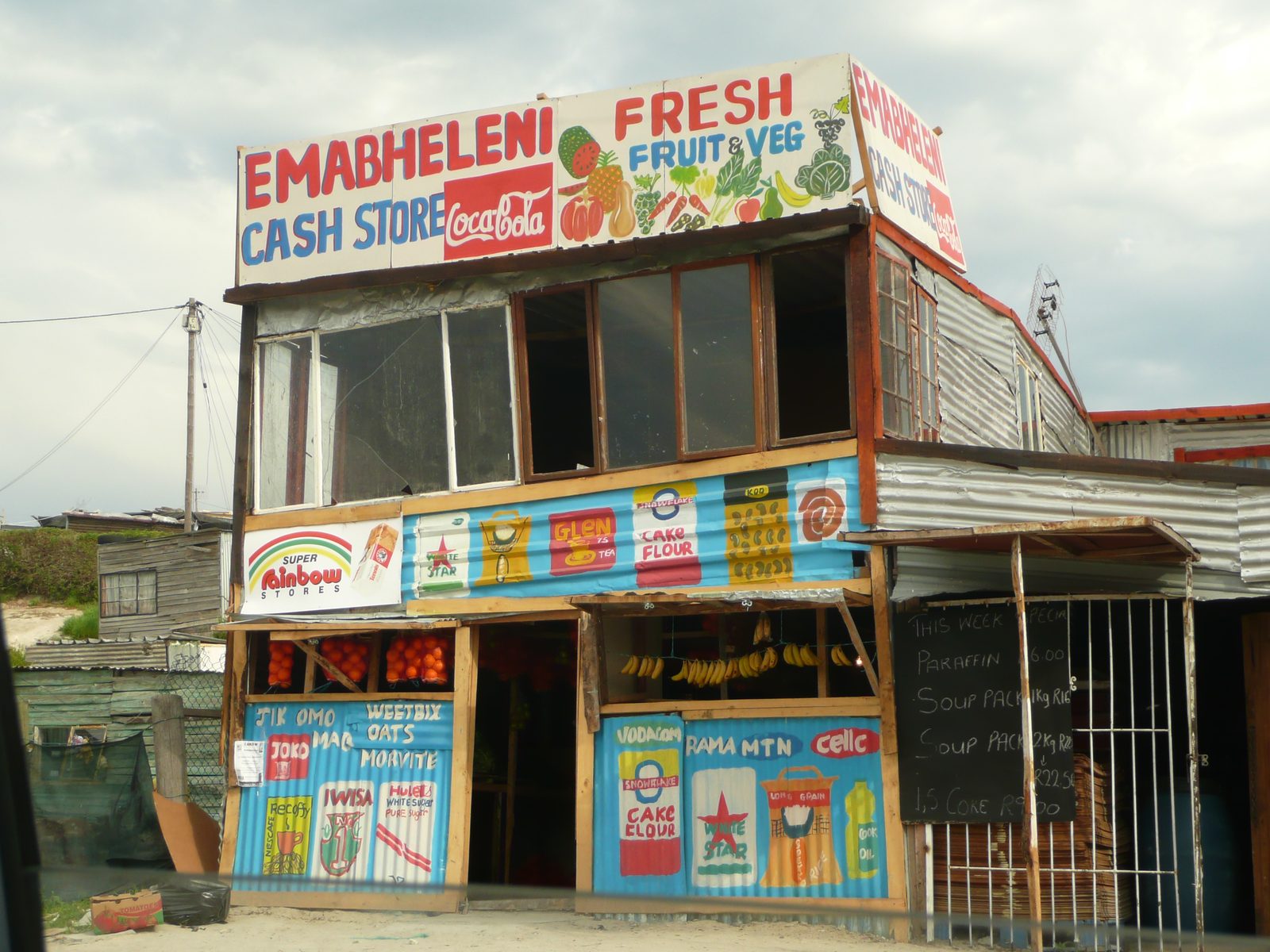
The Competition Commission's findings, detailed in its September 2026 Rural and Township Economy Report released at its 20th Annual Competition Law, Economics and Policy Conference, establish that township households suffer from severe spatial exclusion. Despite the informal economy generating hundreds of billions of rand annually, 39% of residents in metro townships and 53% in rural areas survive on less than R3,500 a month. Because major fast-moving consumer goods manufacturers offer volume rebates and direct distribution almost exclusively to corporate supermarket chains, independent spaza owners are forced to purchase inventory from third-party cash-and-carry wholesalers at retail markups.
Simultaneously, municipal authorities across Gauteng have intensified mandatory licensing and health audits following repeated cases of fatal chemical poisoning from contaminated goods in Soweto and Ekurhuleni. The City of Johannesburg confirmed that its multidisciplinary task teams have vetted more than 4,000 spaza shop applications to ensure compliance with municipal bylaws, zoning regulations, and food safety standards under Regulation R638 of the Foodstuffs, Cosmetics and Disinfectants Act. Qualifying South African-owned stores are being linked to the national R500m Spaza Shop Support Fund administered by the Department of Small Business Development and SEDFA, which enforces rigorous identity verification to prevent fraudulent fronting.
Local trader associations at the Soweto summit argued that administrative compliance alone cannot solve the township retail squeeze without breaking wholesale supply monopolies. Small shopkeepers operating in dense settlements like Alexandra, Katlehong, and Khayelitsha provide credit and break-bulk convenience to millions of working-class families every day. Yet without direct supplier access, township spaza shops absorb fuel transport costs and wholesale margins that inevitably push shelf prices on maize meal, cooking oil, and bread above the rates charged in suburban shopping malls.

Spatial economic leakage occurs when household income earned or received as social grants within a township is spent outside that geographical area, depriving the local community of commercial multiplier effects. Under the Competition Act 89 of 1998, the Competition Commission possesses statutory powers to investigate price discrimination by dominant suppliers who sell goods to smaller firms on less favorable terms than those granted to corporate conglomerates. Mandatory spaza licensing under the Businesses Act 71 of 1991, the Gauteng Township Economic Development Act 2 of 2022, and municipal bylaws requires informal businesses to secure Certificates of Acceptability, register for tax, and verify immigration compliance before accessing state financial facilities.
If you buy daily groceries from a neighbourhood spaza shop, wholesale price discrimination means you often pay higher prices for basic staples than consumers shopping at large suburban retailers. Resolving supply chain bottlenecks and opening direct manufacturer depots in townships lowers food inflation for low-income households while keeping cash circulating inside the local kasi economy. Stricter health inspections and business registration protect your family from counterfeit food products and hazardous chemicals without destroying the informal credit systems that sustain township neighbourhoods.
* When will the Competition Commission issue binding enforcement orders requiring consumer goods manufacturers to supply township spaza buying syndicates at equal corporate discounts?
* Can the Department of Small Business Development disburse the R500m support fund rapidly enough to prevent compliant micro-traders from collapsing under municipal inspection backlogs?
* How will local municipalities eliminate criminal protection syndicates that demand monthly extortion fees from registered township spaza shops and delivery vans?