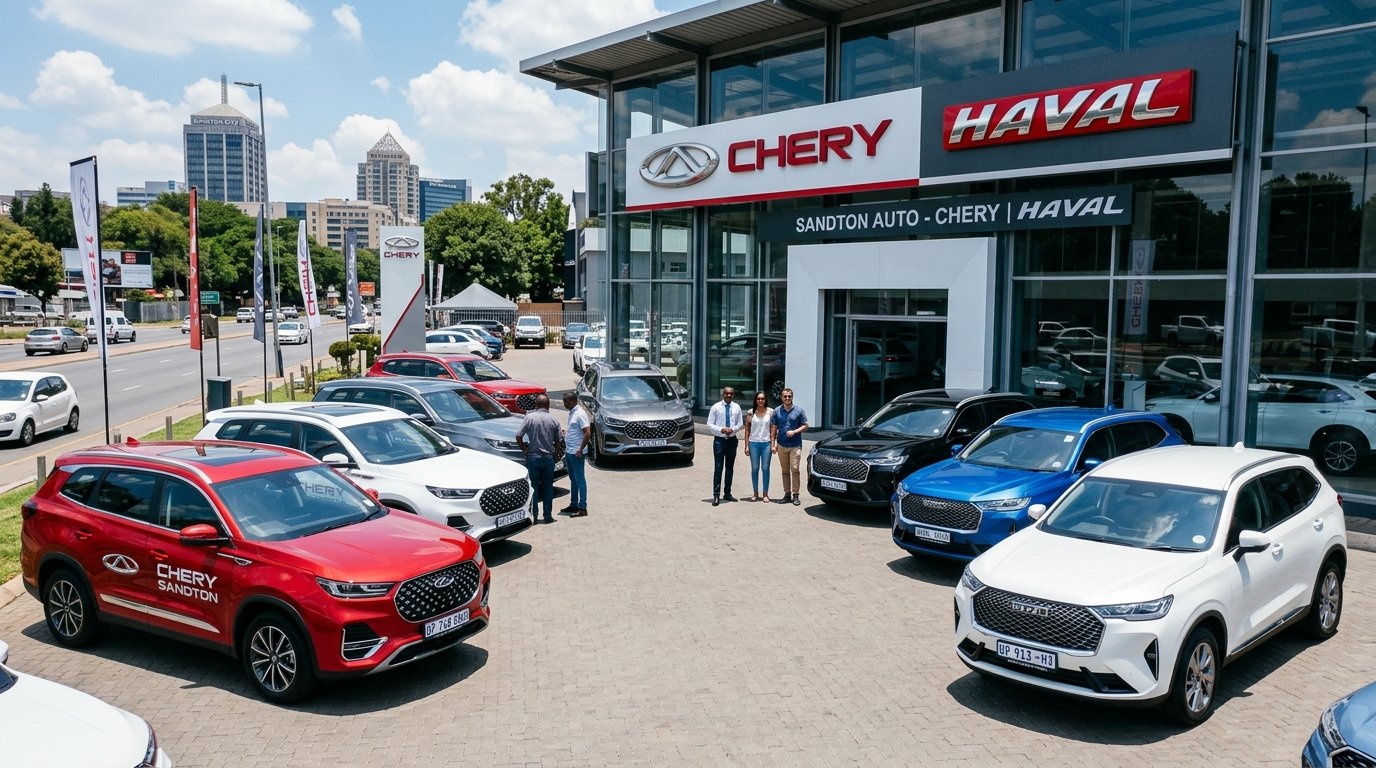
South Africa recorded 18945 new energy vehicle sales during the first eight months of 2026. That eight month haul already surpasses the total volume achieved across the entire twelve months of 2025. The numbers confirm a decisive shift away from pure internal combustion engines in the commuter market.
The surge is not powered by million rand electric sports saloons. Affordable petrol electric hybrid crossovers imported from China have dismantled the price barrier that previously kept alternative energy vehicles out of middle class suburban garages.
Brand names like Haval, Chery, and BYD have repositioned showroom economics across Gauteng, KwaZulu Natal, and the Western Cape. Commuters stepping into dealerships find hybrid models priced between R380000 and R550000. These price tags position dual motor technology directly against traditional petrol staples like the Volkswagen Polo and Hyundai Creta. Motorists tired of paying more than R23 a litre for inland fuel are choosing smaller petrol engines paired with electric battery assist.
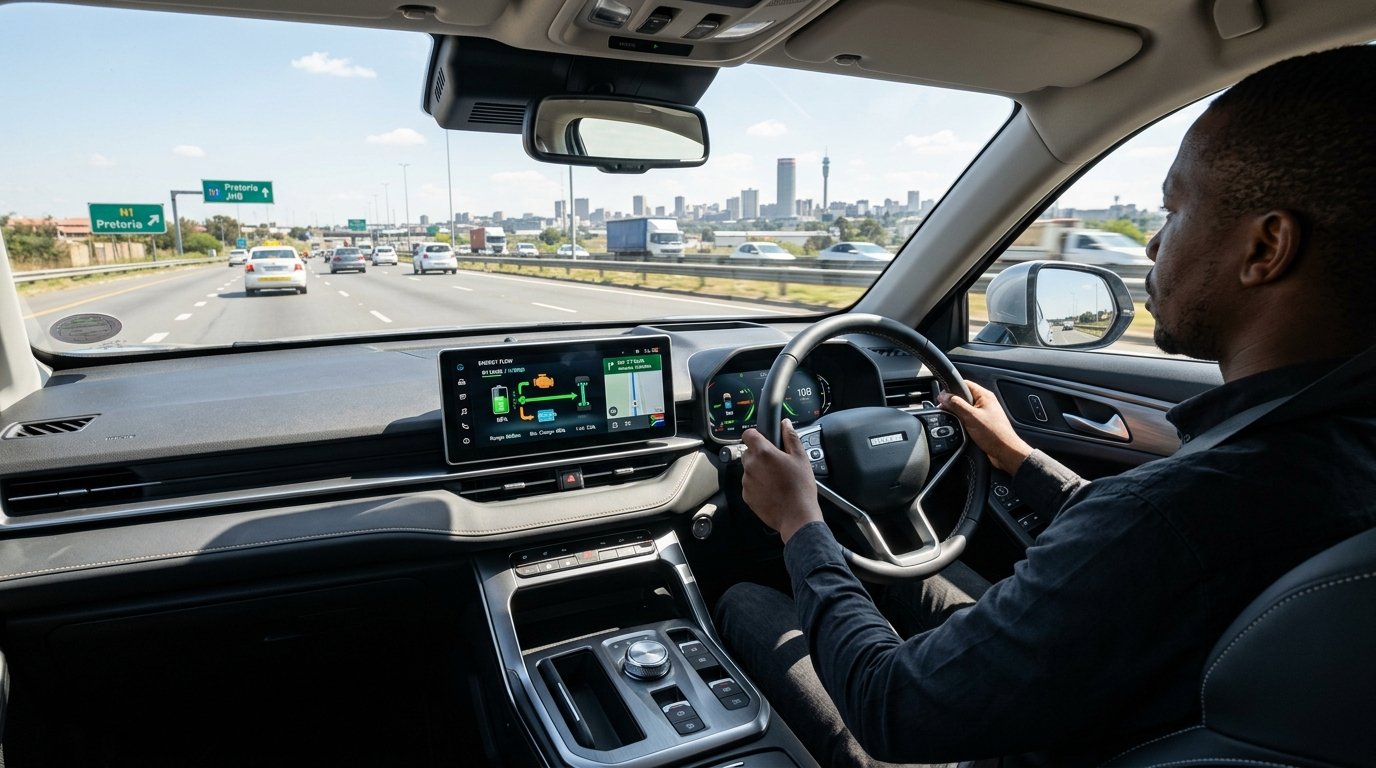
Traditional hybrid electric vehicles account for over eighty percent of all new energy registrations this year. Unlike full battery electric vehicles, these self charging setups require zero municipal plug points or home wallbox chargers. The vehicle harvests kinetic energy during deceleration, cuts engine consumption in stop start city traffic, and delivers real world fuel economy hovering near five litres per hundred kilometres.
The influx creates sharp tension ahead of the South African Auto Week conference in Durban next week. Domestic manufacturing plants operated by Toyota, Volkswagen, Ford, and BMW produce hundreds of thousands of vehicles annually for export, yet the domestic market is being captured by built up imported models. Local executives argue that high import duties on raw battery components place domestic factories at an immediate cost disadvantage against state subsidized Asian supply chains.
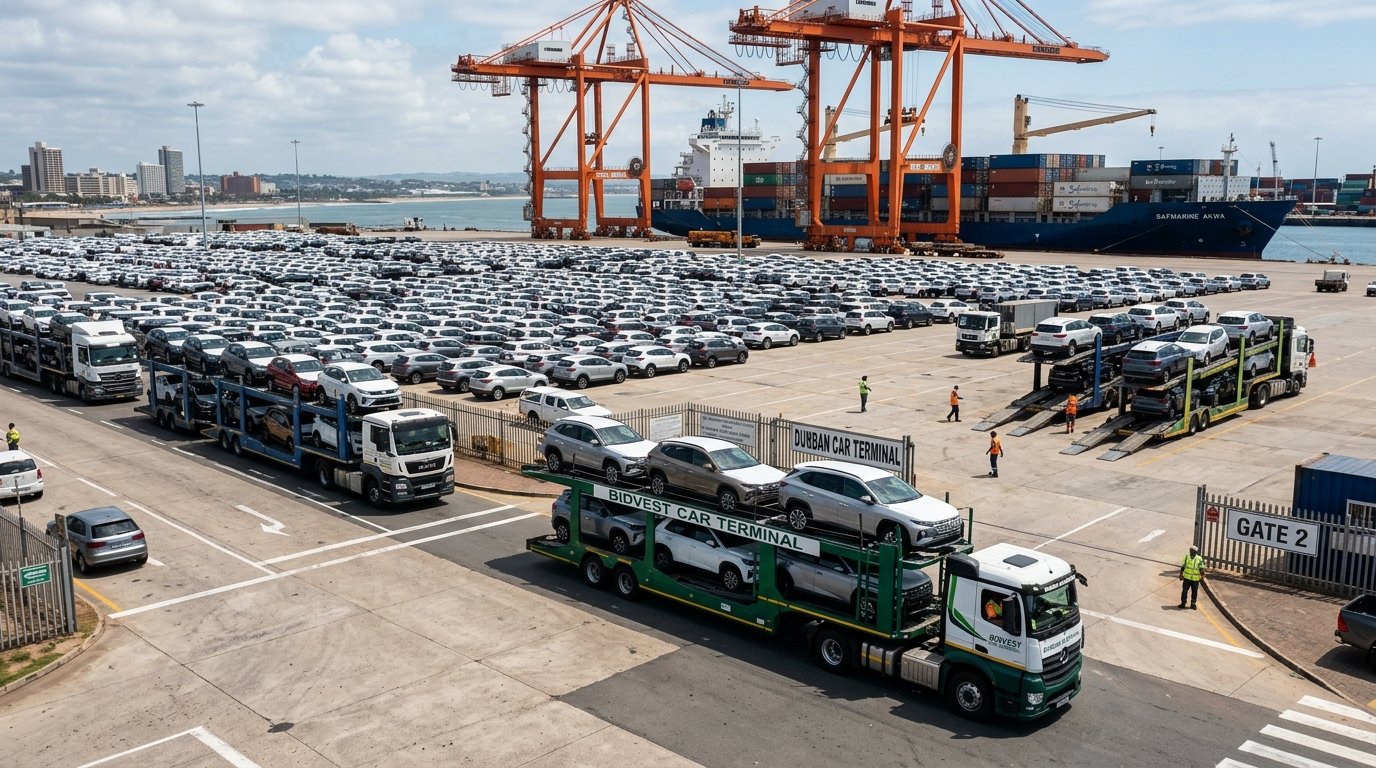
Durban port facilities remain congested as roll on roll off car carriers offload thousands of imported vehicles every month. Freight logistics networks then transport these crossovers inland to satisfy swelling order books across commercial centres. Dealership networks have expanded rapidly into regional towns. Importers back these vehicles with seven year mechanical warranties to calm historic consumer anxiety over spare parts availability.
A new energy vehicle encompasses three distinct automotive powertrain architectures. A traditional hybrid electric vehicle combines an internal combustion engine with an electric motor and a compact traction battery that recharges exclusively through regenerative braking. A plug in hybrid features a larger battery pack that drivers can charge from an external electrical socket to travel forty to eighty kilometres on pure electricity before the petrol engine engages. A battery electric vehicle relies entirely on high voltage lithium ion batteries and electric drive units. This architecture eliminates tailpipe emissions and petrol mechanical systems completely.
The current sales explosion in South Africa concentrates almost entirely in traditional hybrids. Because these vehicles require zero grid electricity, drivers enjoy thirty to forty percent fuel savings during daily city commutes without facing municipal power cuts, load reduction, or scarce public fast charging stations.
If you commute sixty kilometres daily between Pretoria and Sandton, a hybrid crossover burning five litres per hundred kilometres cuts your monthly fuel spend by roughly R1400 compared to a conventional petrol SUV consuming eight litres per hundred kilometres. Over five years of ownership, those fuel savings exceed R84000 at current inland retail pump prices.
The critical financial catch lies in residual value and insurance brackets. Chinese hybrid brands offer aggressive purchase pricing, yet long term trade in valuations after four years remain untested in the local second hand market. In addition, specialised high voltage electronics and imported body panels mean comprehensive insurance premiums can run ten to fifteen percent higher than comparable Japanese or German hatchbacks.
* Will the Department of Trade, Industry and Competition introduce local manufacturing subsidies fast enough to prevent imported hybrids from hollowing out South African automotive assembly plants?
* How will local resale values for first generation Chinese hybrid batteries hold up once vehicles exit their seven year factory warranty periods?
* Can independent South African service workshops access diagnostic software and replacement parts without forcing owners into exclusive dealership repair networks?