Chinese automotive brands have breached double-digit market share in South Africa, transforming what legacy manufacturers dismissed as a fringe curiosity into the fastest structural reordering of the country's auto retail industry in three decades.
Monthly vehicle sales data from the National Association of Automobile Manufacturers of South Africa confirms that Chinese manufacturers, spearheaded by Chery, Great Wall Motor, and Haval, routinely sell over 4 500 new units every month. That volume places Chery firmly inside the country's top six passenger vehicle sellers, running neck and neck with long-established legacy brands like Hyundai, Renault, and Ford. Combined with emerging entries from BAIC, JAC, and electric vehicle pioneer BYD, Chinese original equipment manufacturers now command nearly 10 percent of all new vehicle sales in South Africa.
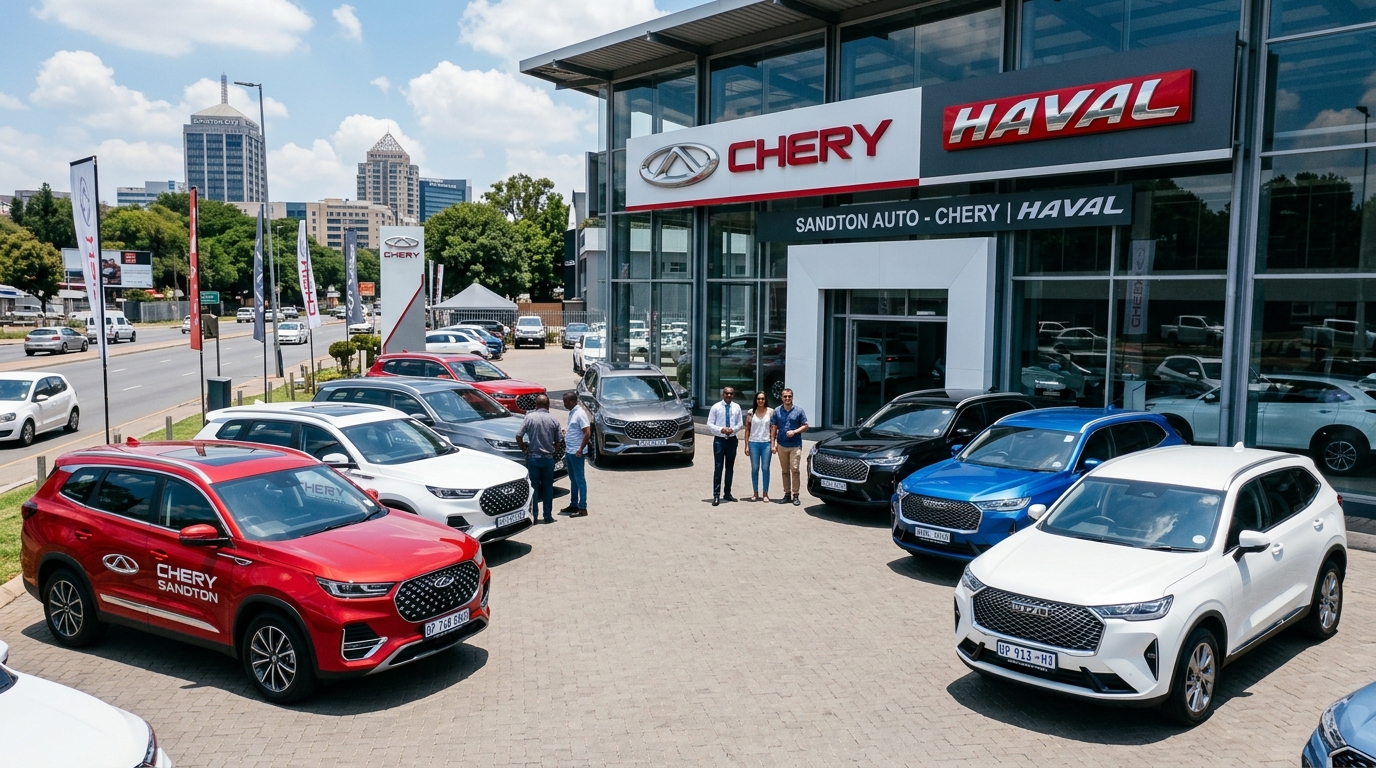
The commercial driver behind this migration is unforgiving affordability. A mid-tier compact crossover from traditional European or Japanese stables routinely retails between R520 000 and R650 000, pushed out of reach by Rand currency depreciation, double-digit financing interest rates, and manufacturer margin preservation. In response, Chinese automakers price feature-laden models like the Chery Tiggo 4 Pro and Haval Jolion between R310 000 and R420 000, offering digital cockpits, adaptive cruise control, and leather trim as standard equipment rather than costly optional extras.
To dismantle lingering consumer skepticism around mechanical durability and parts availability, Chinese distributors pioneered aggressive warranty structures unheard of in the local market. Chery's signature 10-year or one-million-kilometre engine warranty provided middle-class buyers with the institutional reassurance required to sign 72-month bank financing contracts. That retail confidence is reinforced by massive local capital expenditure: GWM and Chery have built out national dealer networks exceeding 80 franchised facilities each, backed by dedicated multi-million Rand parts distribution centres in Gauteng and KwaZulu-Natal.
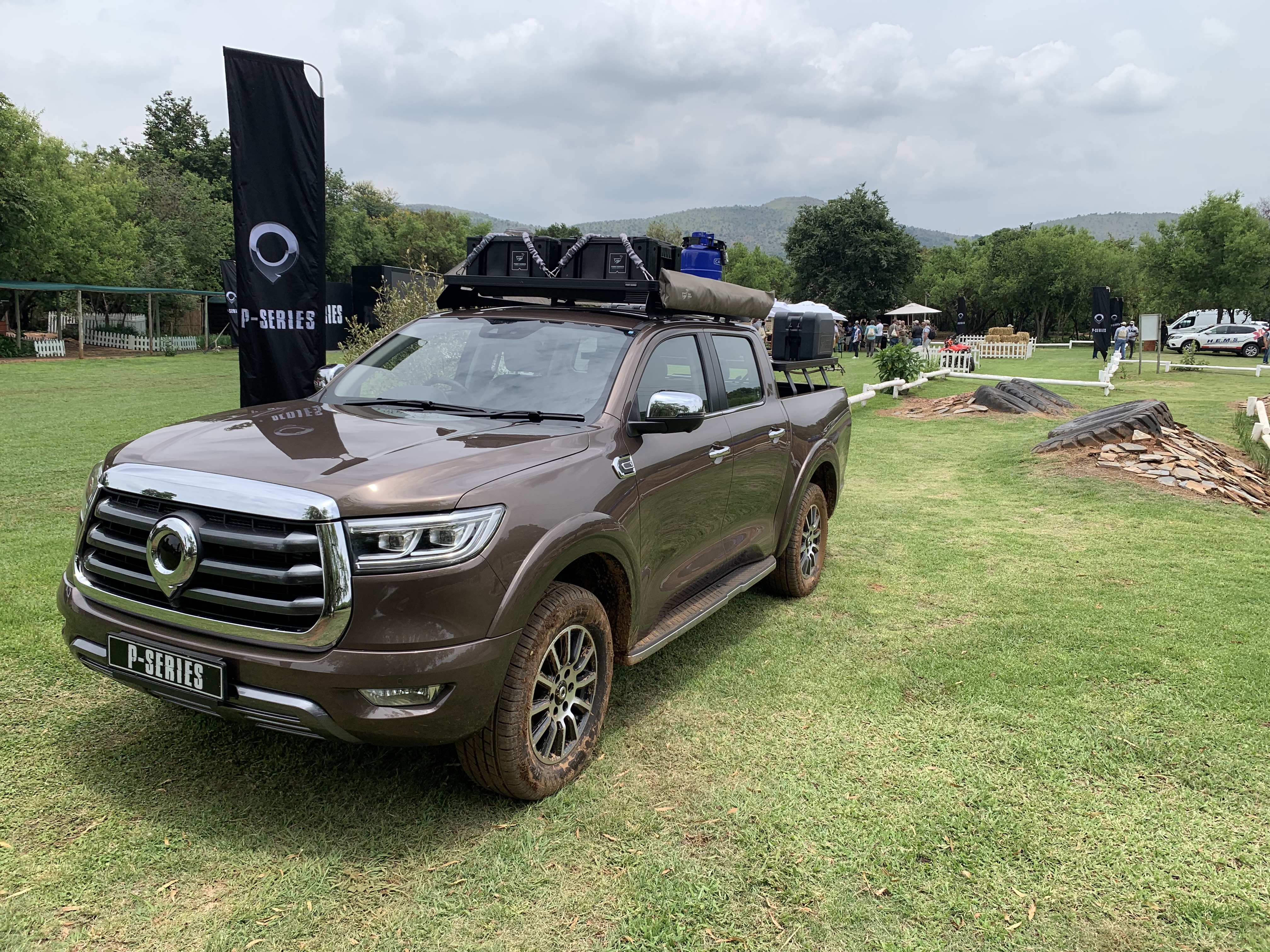
In the light commercial vehicle sector, where Toyota's Hilux and Ford's Ranger have enjoyed an entrenched duopoly, GWM's P-Series bakkie has established a permanent foothold. By delivering double-cab utility and luxury interior specifications at prices 25 percent below comparative Japanese derivatives, Chinese commercial platforms are winning over fleet contractors and agricultural operators who cannot justify R800 000 bakkie price tags.
Market share inversion describes an economic transition where consumer price sensitivity and aggressive value engineering allow foreign challenger manufacturers to capture entrenched market segments from legacy incumbents within a single economic cycle.
If you are shopping for a new vehicle or renewing an expiring car finance contract, the influx of Chinese models expands your purchasing power while depressing the secondary resale values of competing European and Japanese hatchbacks. However, long-term ownership dynamics remain an evolving variable. While upfront showroom savings and mechanical warranties are genuine, prospective buyers must evaluate real-world accident body panel lead times and long-term depreciation curves before committing to multi-year vehicle finance.
* Will Chinese automotive groups transition from pure vehicle importing to establishing local assembly plants in South Africa, qualifying for Automotive Production and Development Programme investment rebates?
* How will domestic vehicle manufacturing policy balance protecting historical assembly jobs at Volkswagen, Toyota, and Mercedes-Benz against the consumer reality of imported price advantages?
* Can established European and Japanese brands cut retail margins fast enough to prevent a permanent loss of entry-level and compact crossover buyers?