Food inflation and corporate consumerism are draining household budgets and fuelling a quiet public health emergency across South Africa.
The latest household food basket data confirms that basic nutritional staples now consume over 40% of the average low to middle income salary. Meanwhile, packaged foods loaded with refined seed oils, added sugars, and excess sodium dominate township spaza shops and corporate supermarket aisles. Families pay double for industrial convenience, driving up rates of hypertension, diabetes, and cardiovascular illness nationwide.
Reversing this damage does not require expensive imported health fads or niche organic supermarket labels. Returning to nutrient-dense local staples, mastering batch prep, and stripping out corporate packaging markups allows households to protect their metabolic health and trim monthly food bills by hundreds of Rands.
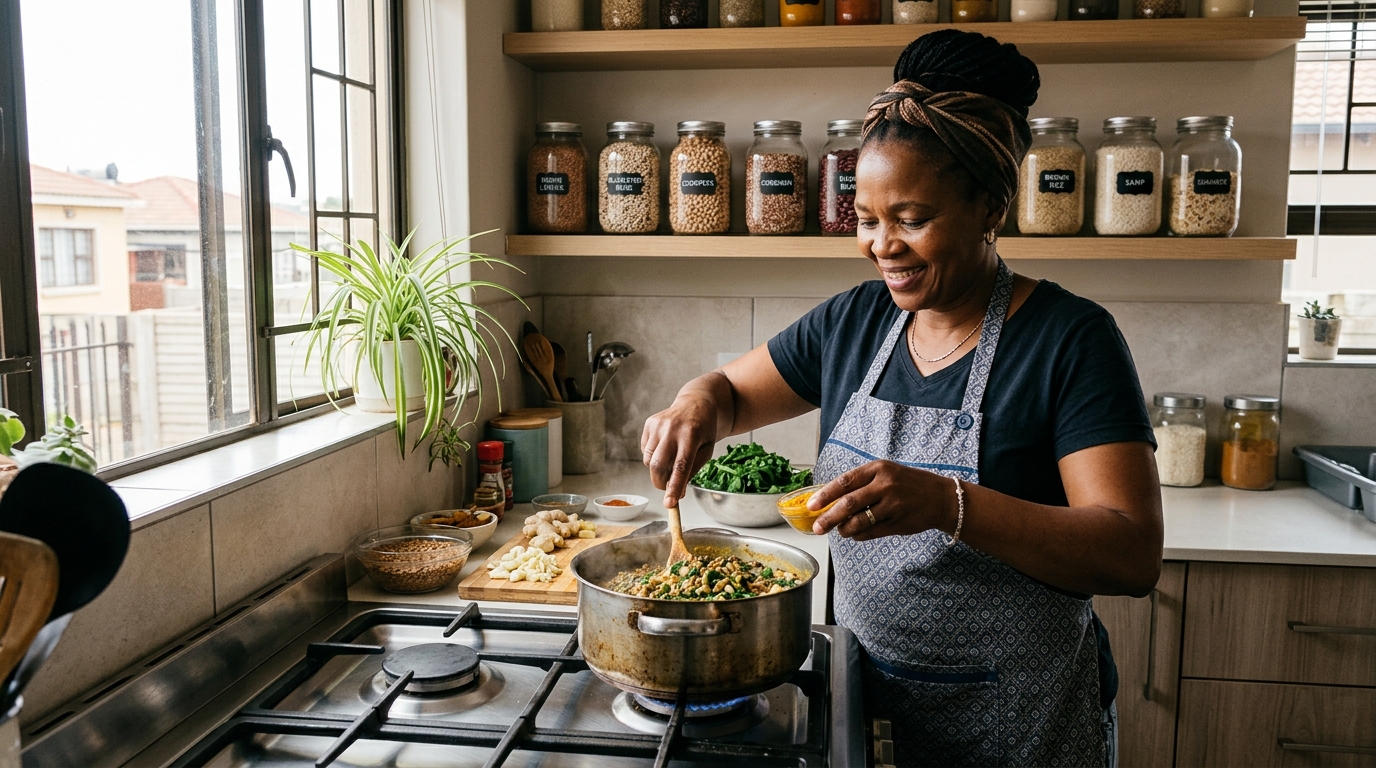
The first and most effective food hack replaces high-cost processed meats with dried legumes such as brown lentils, sugar beans, and chickpeas. A 1kg bag of dry lentils costs roughly R35 to R45 and yields nearly 2.5kg of cooked protein packed with prebiotic fibre, iron, and slow-burning complex carbohydrates. Soaking and simmering legumes in batches with garlic, onions, and curry spices creates a rich foundational base that stretches curries, stews, and mince dishes across several days without losing flavour or nutritional value.
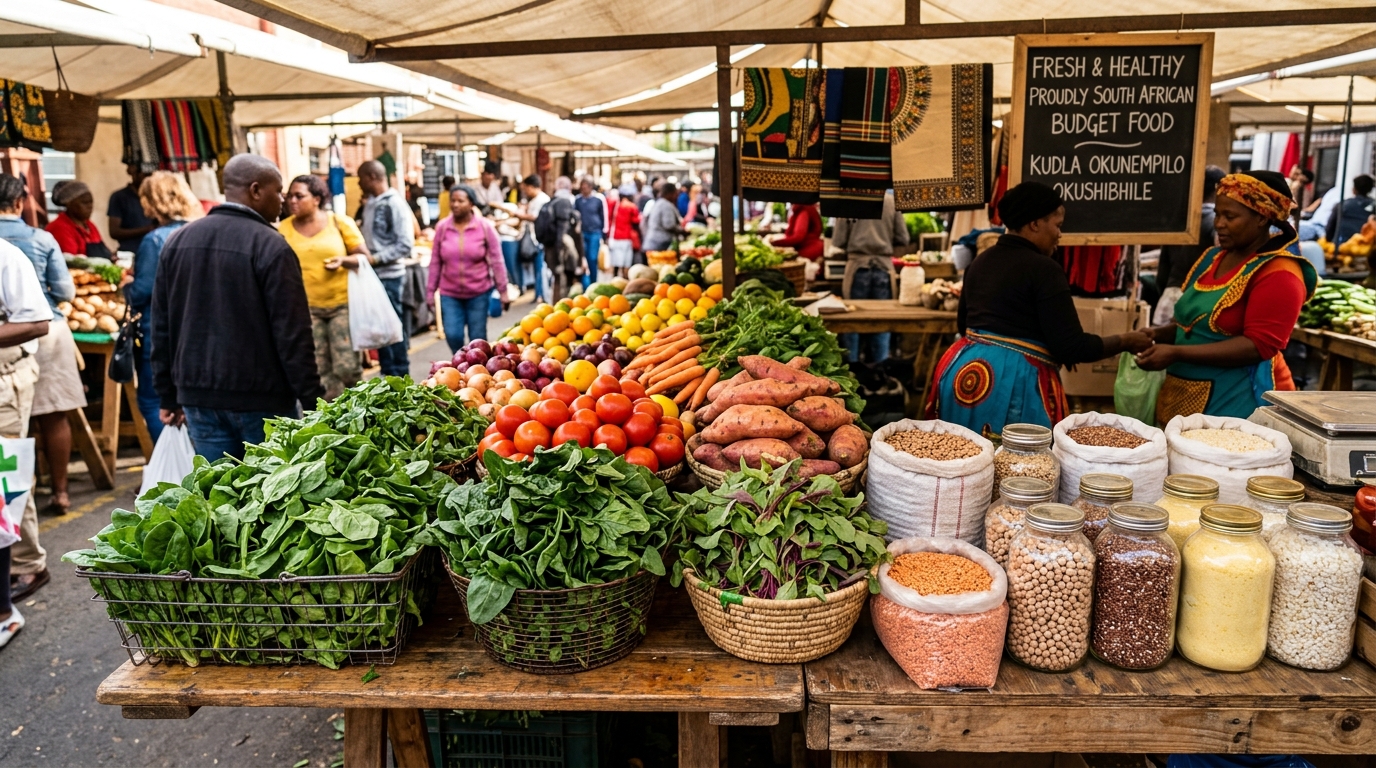
Second, bypass plastic-wrapped supermarket produce aisles for neighbourhood street traders, municipal markets, and local greens such as morogo and spinach. Farm-gate traders and township vendors routinely sell fresh vegetables at 30% to 50% below corporate supermarket prices because they avoid cold-chain markups and unnecessary plastic packaging. Fresh wild greens deliver dense concentrations of vitamins A, C, and magnesium that easily rival expensive imported alternatives.
Third, upgrade daily grains by choosing unrefined sorghum, whole maize meal, and rolled oats over refined white flour and boxed morning cereals. Sorghum (mabele) thrives locally, costs little, and provides a low glycaemic index that prevents the rapid blood glucose spikes and energy crashes caused by processed carbs. Preparing whole grain porridge or fermented ting at home supports gut health while keeping breakfast costs under R3 a serving.
Fourth, rely on passive thermal cooking to beat prepaid electricity tariffs. Bringing dry beans, stews, or samp to a hard boil for 10 minutes and then sealing the covered pot inside an insulated wonder-bag or heavy blanket cooks food thoroughly over several hours using zero extra kilowatts. That single switch shields families from burning expensive electricity units during high-tariff evening peak periods.
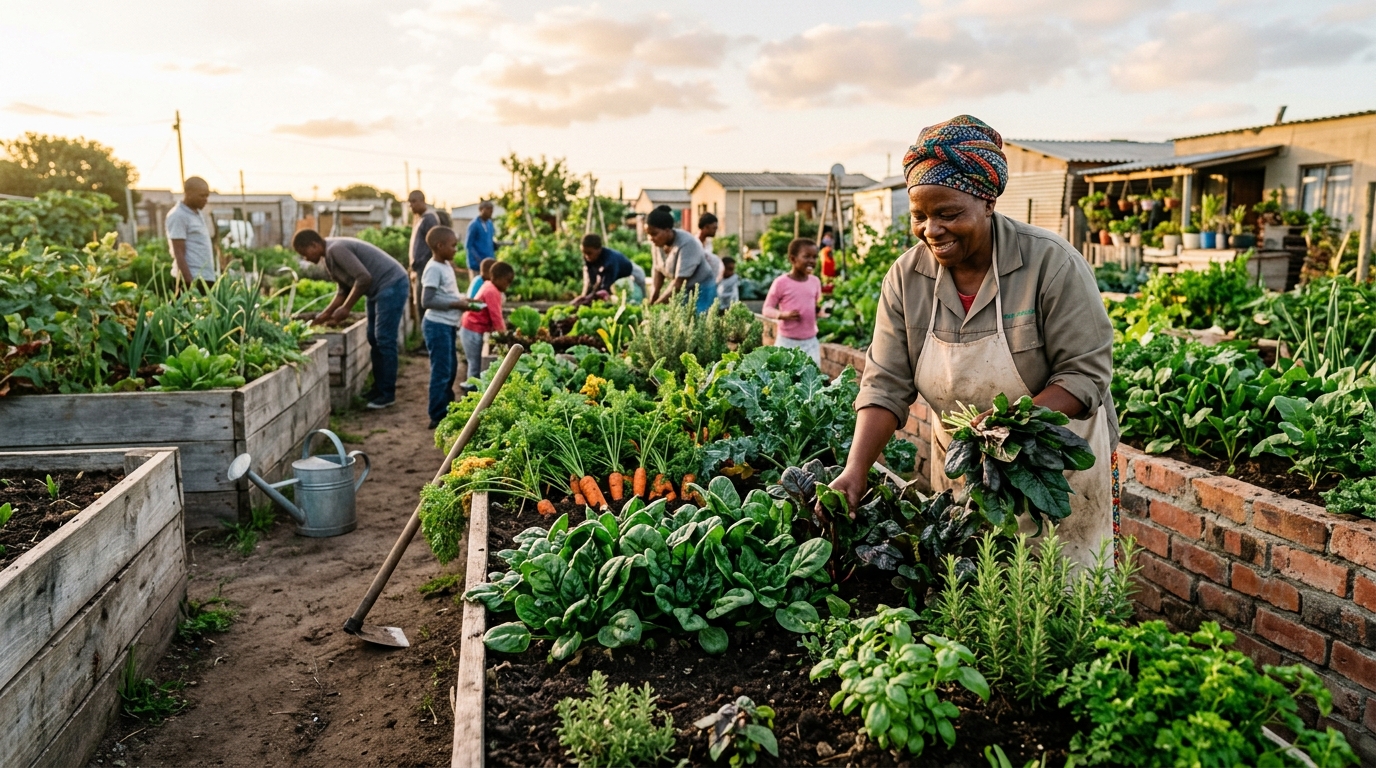
Fifth, build a living kitchen by regrowing vegetable scraps and planting compact doorstep container gardens. Propagating spring onion roots, celery bases, and sweet potato slips in recycled buckets or balcony crates provides fresh greens and herbs year-round. These living ingredients add essential micronutrients to daily meals without adding a single cent to the till slip.
Food inflation in South Africa stems from volatile fuel prices, currency movements, and corporate distribution markups, but the accompanying health crisis comes from dietary transition. Families have shifted from whole, traditional indigenous diets toward energy-dense, nutrient-poor ultra-processed foods. Rebuilding food literacy means moving spending away from corporate convenience goods and back to primary agricultural staples that provide essential micronutrients at basic wholesale prices.
Shifting your household basket toward whole legumes, indigenous greens, unrefined grains, and energy-smart cooking frees up discretionary cash immediately while curbing future healthcare expenses. By ignoring the retail myth that good nutrition requires premium packaging, families can build real metabolic immunity against chronic lifestyle conditions and protect their earnings against rising living costs.
* Will national health and agriculture policies introduce targeted subsidies for nutrient-dense local crops such as sorghum and indigenous legumes to rival heavily subsidised refined maize and wheat?
* How effectively can township economies and street market networks organise to protect informal supply chains as corporate supermarket chains push further into residential neighbourhoods?
* Can school feeding programmes and community education campaigns break the social stigma that associates cheap, ultra-processed convenience foods with modern upward mobility?