Informal hair salons, shipping container barbershops, and spaza counters across Khayelitsha, Mamelodi, Tembisa, and Umlazi are being forced to pay monthly protection fees ranging from R500 to R1 500 under direct threat of handgun violence.
For a braider or barber clearing R2 500 in monthly profit after paying for prepaid electricity tokens and hair products, the criminal levy consumes nearly half of household income before food is bought. Armed syndicates operate on predictable daylight schedules, sending young men with unzipped jackets and concealed pistols into township shopping corridors at the start of every month to collect cash envelopes.
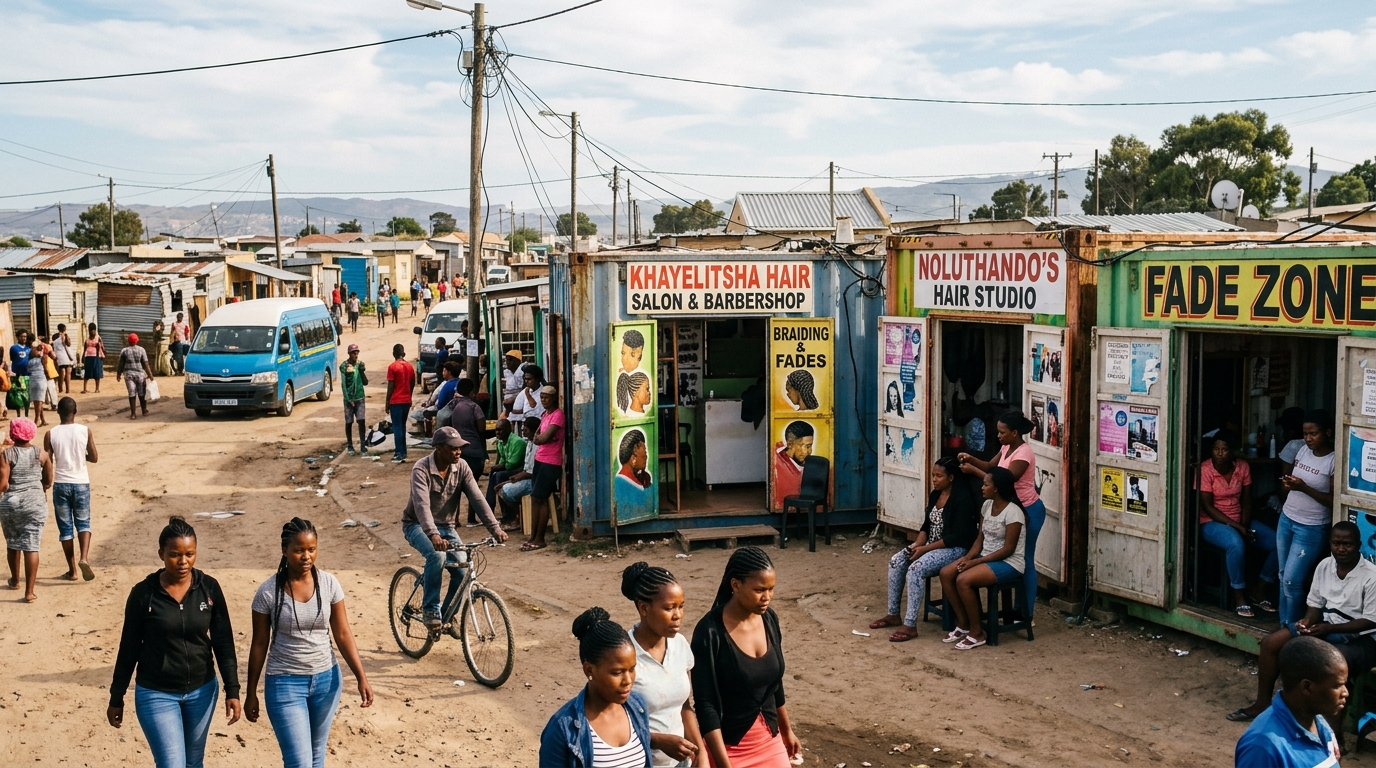
The breakdown on the street is compounded by competing crews. A salon owner who pays R600 to a local gang on Monday is frequently visited on Thursday by a rival faction demanding an additional R800 for the same patch of pavement. When micro-enterprises refuse or run out of cash, the retaliation is swift: salon mirrors are shattered with iron bars, petrol is thrown across counters, or shopkeepers are shot behind security gates.
Victims rarely dial 10111 because station-level intelligence is compromised. Business owners report that extortionists know docket numbers within hours of complaints being registered at community charge offices. While the Western Cape recorded over 115 extortion-related arrests across 12 months, prosecution conviction rates hover in single digits because terrified witnesses refuse to take the stand without effective state witness protection.
In Gauteng corridors like Soshanguve and Orange Farm, the extortion racket has expanded well beyond construction sites into private medical practices, daycare crèches, and bakery delivery bakkies that must pay transit tolls just to offload bread.
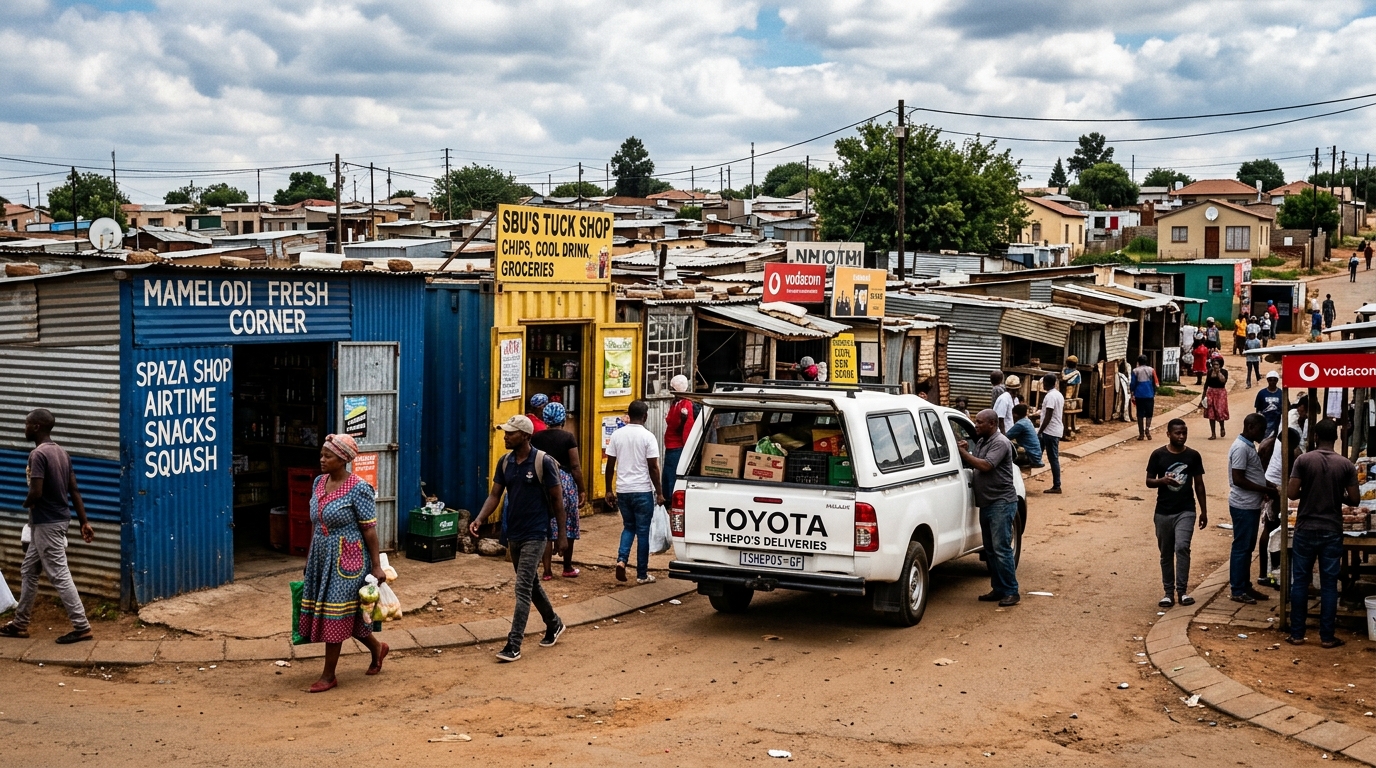
The township protection racket is not petty street mugging. It represents the private appropriation of local territorial sovereignty where criminal syndicates extract working capital directly out of survivalist enterprises operating outside formal commercial banking.
Every time you get your hair braided, buy vegetables at a street corner, or purchase daily groceries from a local spaza, a portion of the retail price covers the illicit protection envelope handed to armed syndicates. When small container enterprises collapse under extortion pressure, township youth lose their only accessible avenue for self-employment, leaving formal government social grants as the sole remaining buffer against absolute poverty.
* Why are local police stations unable to dismantle extortion syndicates whose collection dates, bagmen, and vehicle models are openly known across entire township blocks?
* Where is the untraceable cash being laundered, and which formal financial channels or luxury vehicle dealerships facilitate the flow?
* What happens to township food distribution when bakery and grocery delivery fleets refuse to enter commercial streets without private armed escorts?