The construction mafia extortion model that paralyzed public works projects across KwaZulu-Natal and Gauteng has migrated into the Karoo, intercepting multi-billion rand renewable energy corridors and halting critical wind turbine installations.
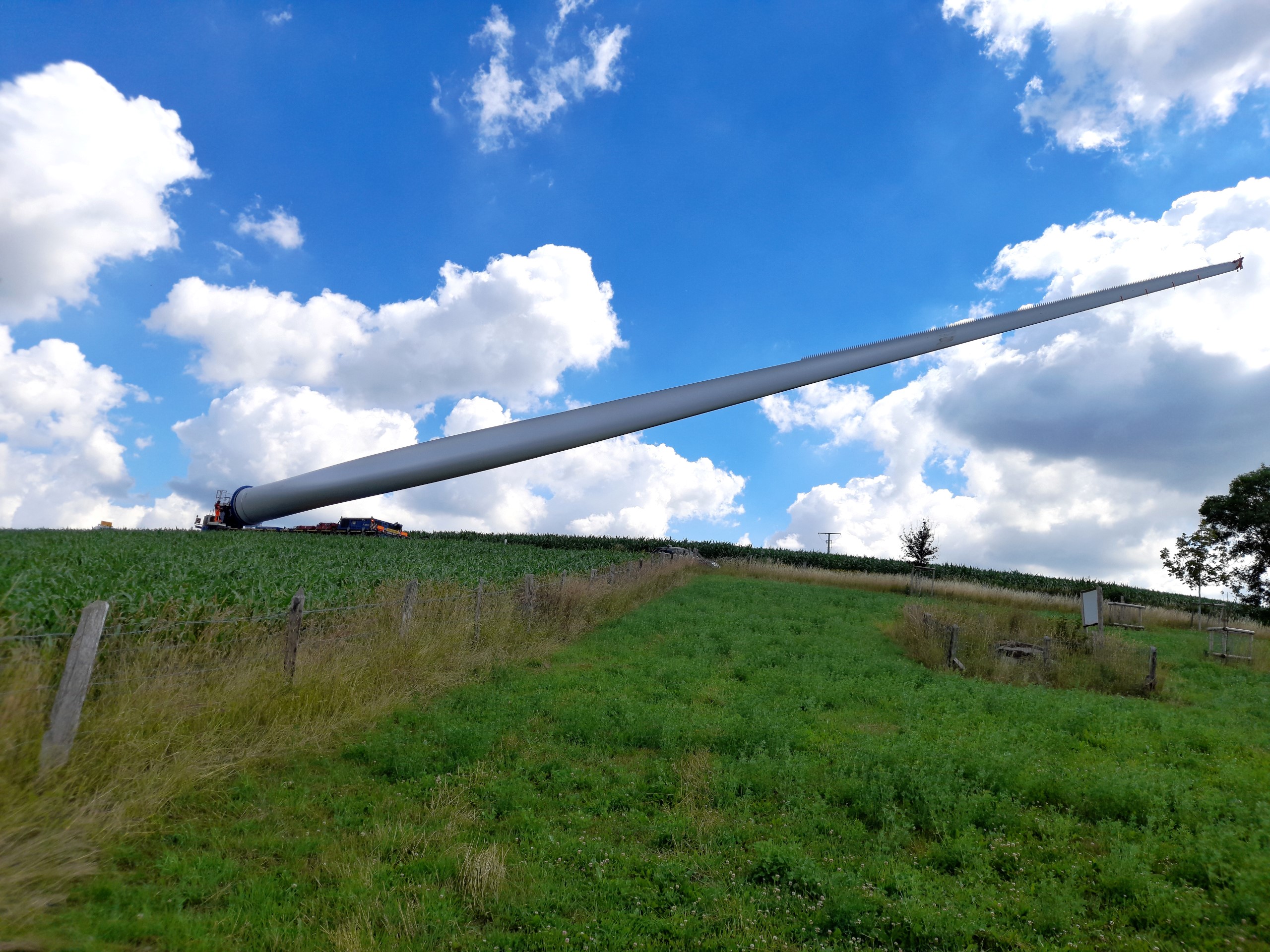
Operating under the banner of local business forums, armed syndicates are blockading remote access roads in the Eastern and Western Cape. Contractors attempting to transport oversized 80-metre turbine blades and high-voltage substation components face barricades, armed intimidation, and demands for immediate 30% cash payoffs before heavy vehicles are allowed through farm gates.
The syndicates base their financial demands on a deliberate distortion of the 2017 Preferential Procurement Policy Framework Act regulations, which previously required organs of state to subcontract 30% of public tenders valued above R30 million to designated local enterprises. The Constitutional Court invalidated those regulations in 2022, and the statute never applied to private energy infrastructure. Even so, forum leaders use the 30% figure as a rigid extortion baseline, demanding either unvetted subcontracts or direct electronic cash transfers without providing plant machinery, qualified artisans, or safety compliance certificates.
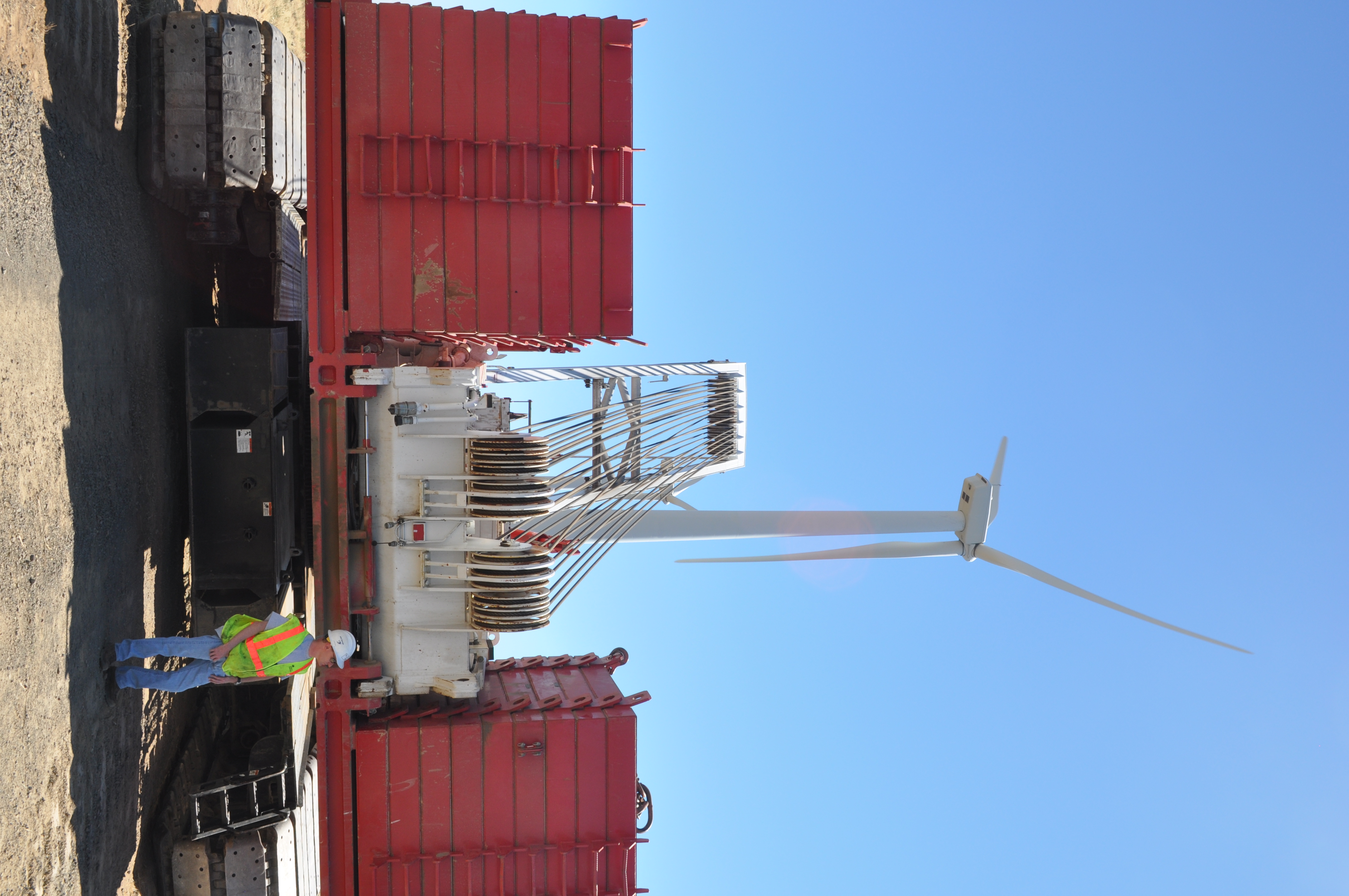
The economic disruption to the country's energy transition is immediate and compounding. Independent Power Producers operating under the Renewable Energy Independent Power Producer Procurement Programme face standing-time costs of up to R500,000 per day when specialized heavy-lift crawler cranes and multi-axle transport rigs sit idle on provincial gravel roads. Developers also face stringent contractual penalties from national grid operator Eskom if they miss commercial operation dates tied to their grid connection permits.
Recent enforcement operations confirm the scale of the threat. In Murraysburg in the Central Karoo, police arrested 12 individuals who had surrounded a wind farm development site and issued violent ultimatums to project directors. Nationally, more than 180 infrastructure projects worth nearly R63 billion have suffered disruption from extortion syndicates, triggering over 240 arrests across the country.
Public Works and Infrastructure Minister Dean Macpherson has declared site extortion an act of economic sabotage. Speaking through the Infrastructure Built Anti-Corruption Forum alongside the Special Investigating Unit and specialized police task teams, Macpherson confirmed the implementation of the Integrated Social Facilitation Framework to prevent criminal forums from hijacking genuine community grievances.

The 30% subcontracting rule originated under the 2017 Preferential Procurement Policy Framework Act regulations, which mandated that state entities award nearly a third of large public tenders to local targeted groups. The Constitutional Court set aside the regulations as unlawful in February 2022. Private renewable energy consortia procure engineering, procurement, and construction services through commercial capital and are legally exempt from the framework. Extortion cartels nevertheless weaponize the retired regulation as a moral and political shield to demand unearned equity and protection payouts.
When criminal syndicates halt wind turbine installations, the delivery of clean gigawatt-hours into the national electricity grid is pushed back by months. South African households and industrial manufacturers ultimately bear the cost through higher power tariffs, as developers price construction risk, round-the-clock armed site security, and delay penalties into their long-term power purchase agreements.
• How quickly can the National Joint Operational and Intelligence Structure deploy permanent rapid-response units along Karoo renewable transport routes to safeguard turbine deliveries?
• Why are local municipal councils in rural renewable corridors failing to vet legitimate community business registers before forums stage armed blockades?
• Will the National Prosecuting Authority charge business forum leaders under the Prevention of Organised Crime Act to target the syndicate financiers behind site disruptions?