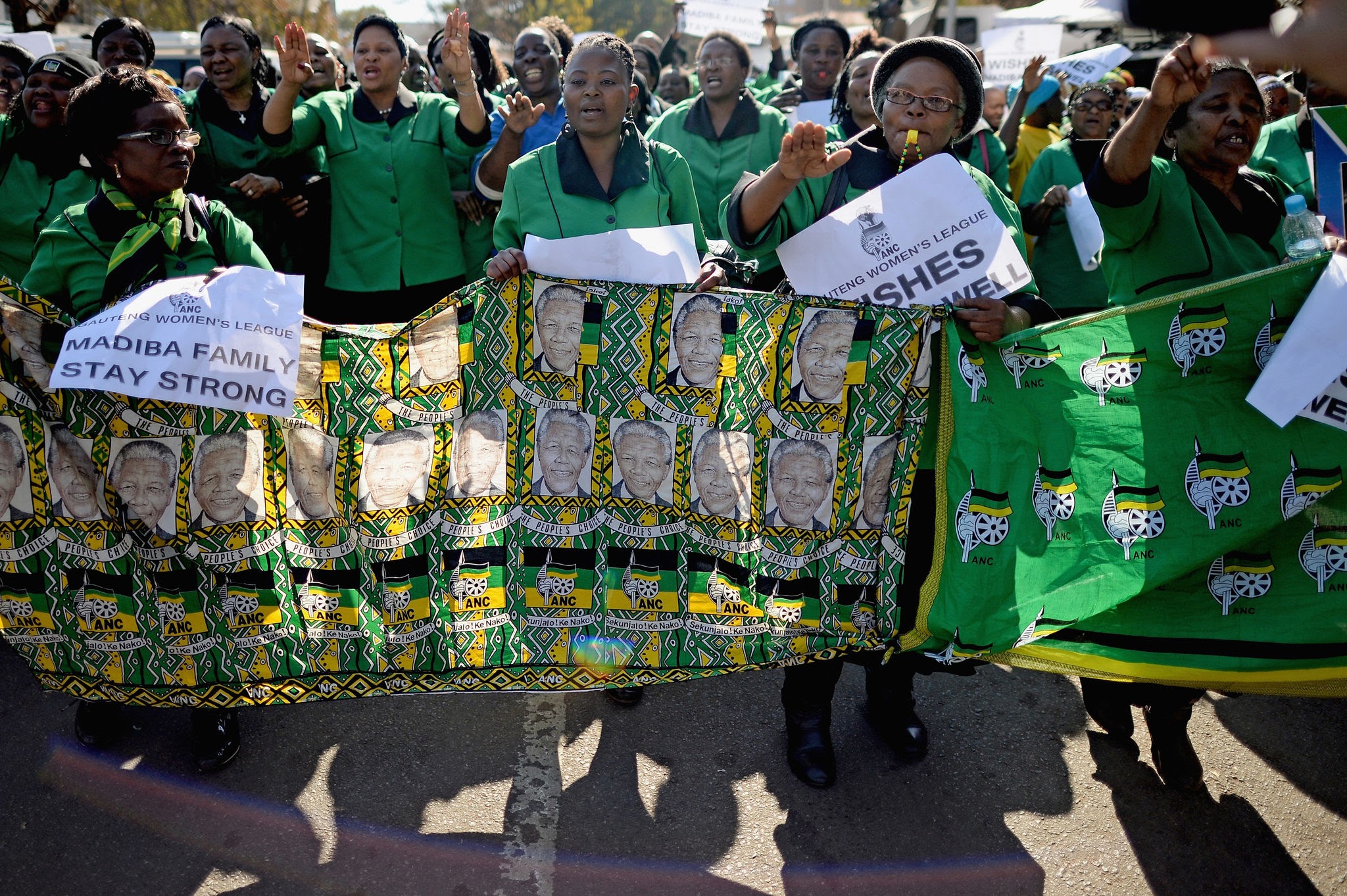
Speaking at a memorial and prayer gathering in Alberton, ANCWL leadership stated that the national crisis of gender-based violence and femicide (GBVF) requires confronting long-standing legal limits on sentencing.

UNPACKING THE DYNAMICS: FEMICIDE CRISIS & LEGAL HURDLES
The proposal brings crucial constitutional, political, and investigative factors into sharp relief:
Ekurhuleni Serial Murders: The bodies of 12 women were discovered across various locations in Ekurhuleni, prompting widespread public outrage and police investigations.
Referendum Proposal: The ANCWL is exploring consultations with legal experts to examine whether a public referendum could be held on reinstating capital punishment.
Constitutional Barrier: Capital punishment was outlawed in 1995 (S v Makwanyane) under Section 11 of the Constitution, which guarantees the right to life.
Demand for Swift Justice: Community leaders argue that current judicial deterrence mechanisms are failing to protect women from violent criminal syndicates and predators.
KEY NUMBERS AT A GLANCE: EKURHULENI FEMICIDE RESPONSE
Primary figures connected to the recent developments in Gauteng:12 Victims: Women tragically discovered murdered across Ekurhuleni.
1995: The year South Africa’s Constitutional Court officially abolished the death penalty.1 Referendum: Proposed legal mechanism being discussed by the ANCWL to gauge public opinion.
Could a public debate or referendum on capital punishment lead to actual constitutional reform in South Africa?
What concrete police interventions are necessary to ensure immediate safety for women in Gauteng townships?
Have a perspective on this story? Leave your comment below and join the debate on News Definition.