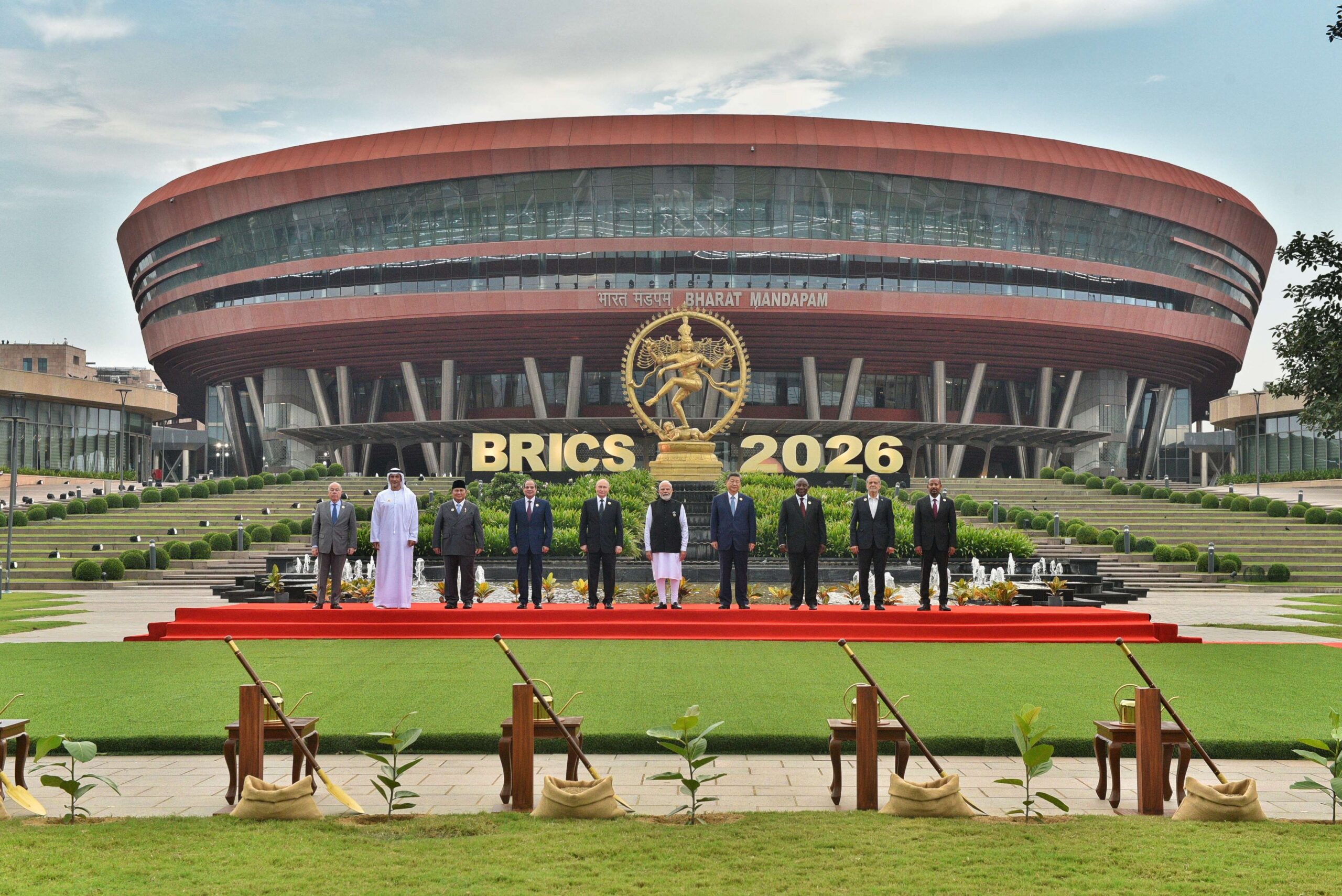
This strategic realignment places economic self-determination, localized industrialisation, and intra-bloc trade mechanisms at the center of the alliance's multi-year vision.
Economic Agency & South-South Industrialisation
Core economic frameworks driving the BRICS 2026 shift:
Economic Agency: The capacity of emerging market nations to independently shape trade rules, set investment agendas, and control production rather than passively responding to external global policies.
Local Value Addition: Processing raw minerals and agricultural products domestically before export, increasing national revenue and industrial job creation.
Bilateral Settlement Mechanics: Utilizing national member currencies for cross-border trade transactions to decrease transaction overheads and currency risk.
KEY DEVELOPMENTS IN THE BRICS 2026 POLICY PIVOT
Industrial Processing Focus: Priority moves from raw material extraction to technology-assisted manufacturing across developing economies.
Trade Architecture Expansion: Scaling currency swap arrangements, digital payment interlinks, and specialized project funding.
AfCFTA Integration: Strategic positioning to link African mineral and consumer assets directly into broader Global South supply chains.
Institutional Evolution: Shifting emphasis toward delivering measurable commercial and infrastructure projects for member nations.
For Domestic Industries: Creates opportunities for manufacturing, technology, and logistical firms to tap into expanded South-South supply agreements.
For African Markets: Provides leverage to ensure natural resource wealth generates local jobs through value-added production rather than basic extraction.
How can developing nations balance regional trade commitments like the AfCFTA with expanded BRICS global value chains?
What regulatory adjustments are necessary to safeguard local currency settlements against exchange rate volatility?
Have a perspective on this story? Leave your comment below and join the debate on News Definition.